Supreme Court leaves school free speech ruling on pro-life club in place
The Supreme Court let stand a ruling that allowed Noblesville Schools to block pro-life club flyers, keeping limits on student speech that looks school-endorsed.

The Supreme Court left in place a ruling that allowed Noblesville Schools to block flyers for a student pro-life club after administrators said the posters looked like political speech and risked appearing school-endorsed. The decision keeps alive a national fight over where student expression ends and a school’s authority to police its walls begins.
The dispute began in 2021 at Noblesville High School outside Indianapolis, when a freshman identified in court papers as E.D. started Noblesville Students for Life after the school approved the club and allowed it to recruit at an activities fair. The school recognized the group as one of more than 70 noncurricular student clubs. Trouble followed when E.D. sought permission to post meeting flyers in common areas that featured photos of students holding signs reading “I Reject Abortion,” “Defund Planned Parenthood,” and “I Am the Pro-Life Generation.”
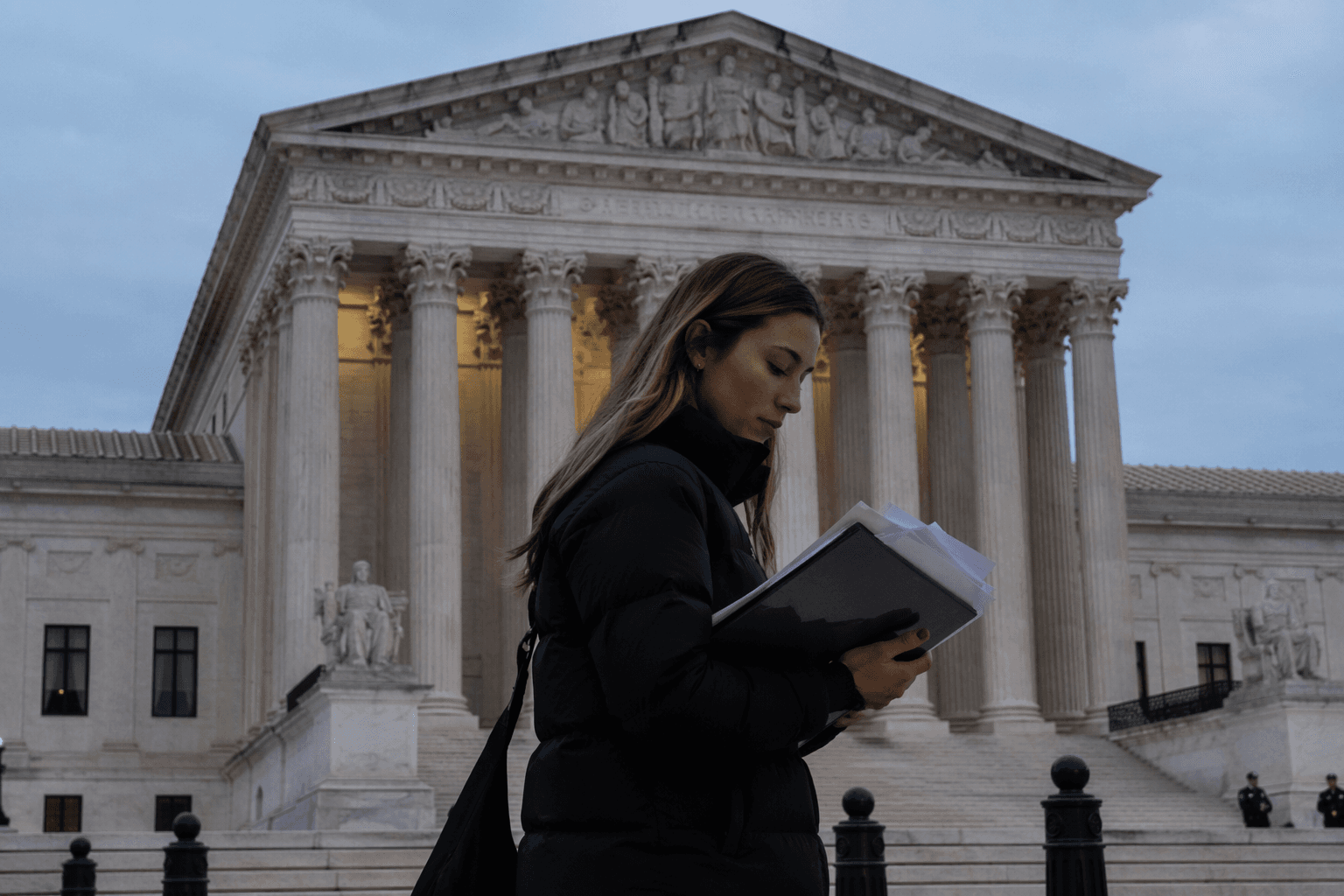
School officials rejected the flyers, saying the district’s policy barred political content and that wall postings could include only the club name, meeting location, date and time. When E.D. and her mother, Lisa Duell, pursued approval through another administrator, the school became concerned that the club was not truly student-led and suspended its recognition for the rest of the semester. The club was reinstated in 2022 and remained active.
Michael and Lisa Duell filed suit in 2021 against Noblesville Schools, arguing the district had censored protected pro-life speech. Alliance Defending Freedom represented E.D. and the club in seeking Supreme Court review, while Students for Life of America said the case was about student speech rights and pro-life advocacy. Supporters also argued the case needed clarity because public schools are increasingly engaging in political advocacy. Kristan Hawkins, president of Students for Life of America, said, “Free speech rights you can’t use don’t exist.”
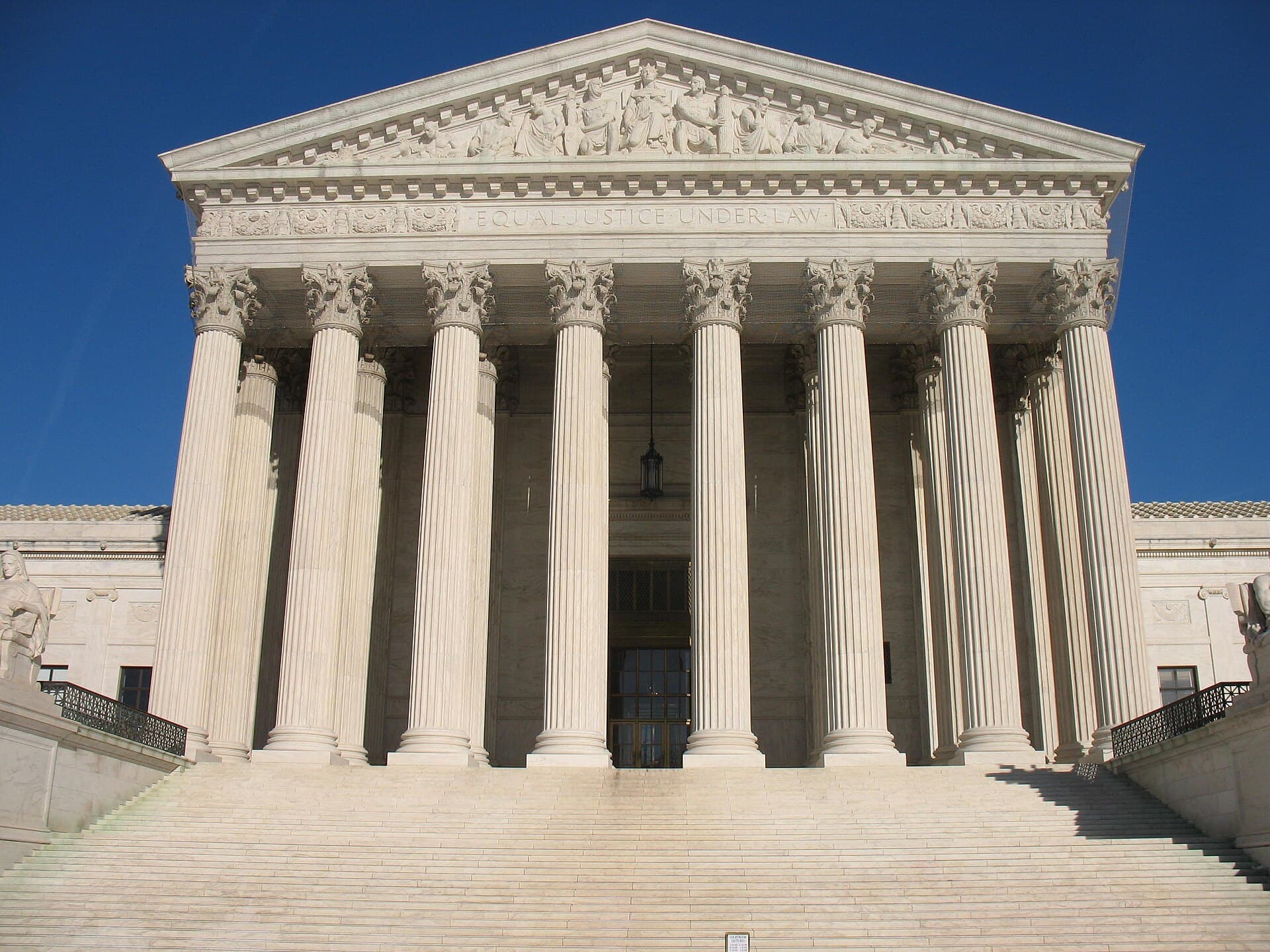
Lower courts disagreed. The district court sided with the school, and the 7th U.S. Circuit Court of Appeals upheld that ruling on Aug. 14, 2025, saying the district’s neutral content rules and its concern about perceived endorsement were permissible. The Supreme Court’s refusal to hear the case on June 15, 2026, leaves that decision intact and keeps the 1988 Hazelwood School District v. Kuhlmeier precedent in the foreground, giving schools broad authority over school-sponsored expression when they can tie restrictions to legitimate educational concerns. The result leaves unresolved the broader tension between students’ First Amendment rights and administrators’ ability to limit politically charged messaging on campus.
This article was produced by Prism’s automated news system from verified source data, official records, and press releases, then run through automated quality and moderation checks before publishing. The system is built and supervised by the people who set the standards it runs under. Read our full AI policy.
Did this article answer your question?