Supreme Court lets stand sanctions against Catherine Herridge over sources
The Supreme Court left in place an $800-a-day contempt sanction against Catherine Herridge, renewing fears that source disclosure fights could chill investigative and national-security reporting.

The Supreme Court declined to intervene on July 2, 2026, leaving former Fox News reporter Catherine Herridge subject to an $800-a-day sanction for refusing to reveal confidential sources tied to her reporting on Yanping Chen. Press-freedom advocates said the decision heightens the risks for reporters who rely on unnamed sources in national security and investigative work.
The fight began with Herridge’s 2017 Fox News reporting on Chen, a Chinese American scientist who founded the University of Management and Technology in Arlington, Virginia. Herridge’s coverage described a federal counterintelligence investigation into Chen, including allegations involving possible foreign military ties, and published material that included excerpts from FBI records. Chen sued the FBI and other federal agencies in 2018, arguing that officials violated the Privacy Act by leaking information about the investigation to the media.
A lower court later held Herridge in civil contempt after she refused to identify her sources. The U.S. Court of Appeals for the D.C. Circuit upheld that ruling on September 30, 2025, saying Herridge could not rely on a qualified reporter’s privilege after Chen showed the information was essential to her case and other avenues had been exhausted. Chief Justice John Roberts temporarily paused the fine last week, but the Supreme Court’s latest action let the daily sanction resume.
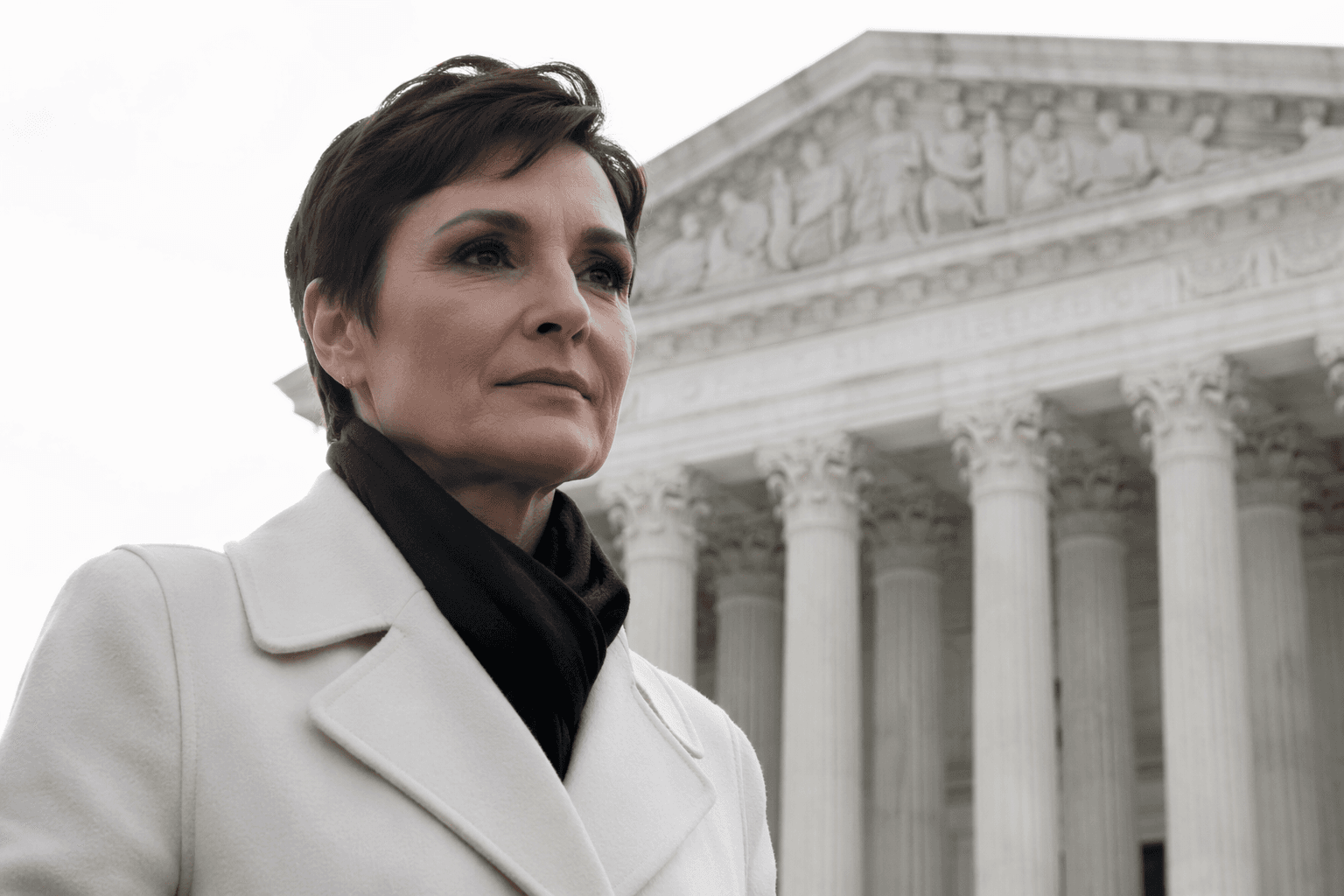
The case has drawn sustained attention from press-freedom groups, which warned that forcing disclosure of confidential sources could damage investigative and national-security reporting. The Reporters Committee for the Freedom of the Press and the Freedom of the Press Foundation backed Herridge and argued that the case underscored the need for a federal shield law. Fox News Media previously said it remained committed to protecting a free press and urged appeal.
For journalists, the ruling leaves intact a hard financial penalty that increases by $800 every day until Herridge complies with the disclosure order. For advocates, the result is a reminder that without a federal shield law, courts can still compel source disclosure in cases that turn on leaked government information, even when the reporting involves intelligence, counterintelligence, and claims of foreign ties.
This article was produced by Prism’s automated news system from verified source data, official records, and press releases, then run through automated quality and moderation checks before publishing. The system is built and supervised by the people who set the standards it runs under. Read our full AI policy.
Did this article answer your question?