Supreme Court lets Trump administration end TPS for Venezuelans, Haitians, Syrians
Hundreds of thousands could lose work permits and deportation shields before the merits are decided, as the court again backed Trump’s push to unwind TPS.
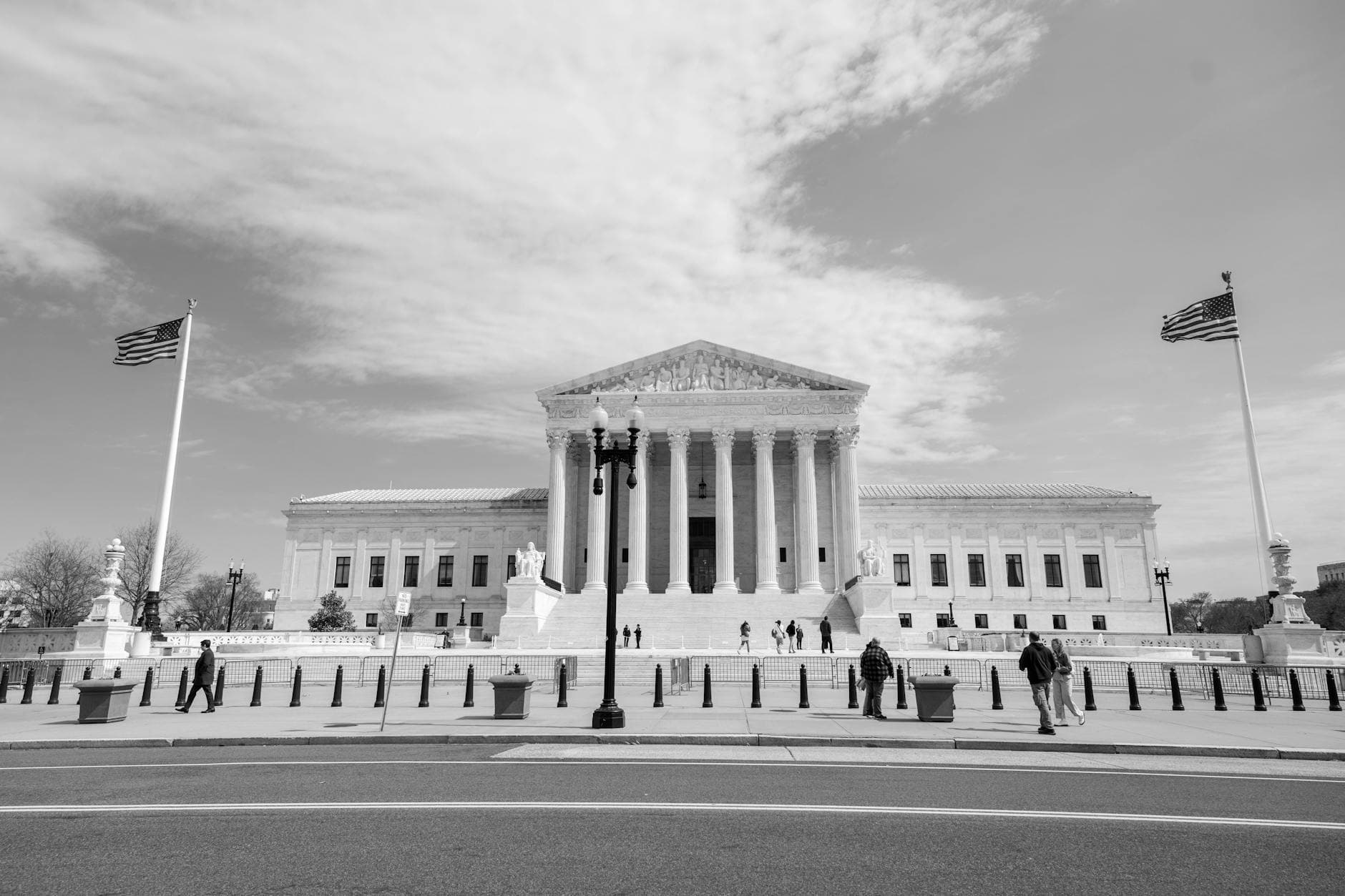
For hundreds of thousands of people, a Supreme Court pause is not abstract. It can mean the loss of work authorization, the loss of lawful status and the start of removal proceedings while the legal fight is still unfinished.
That is the pattern the court has followed in the Trump administration’s attacks on Temporary Protected Status. In May 2025, the justices paused a lower-court order that had blocked Homeland Security Secretary Kristi Noem from ending TPS for more than 300,000 Venezuelan nationals, allowing the administration to move ahead while appeals continued. Justice Ketanji Brown Jackson said she would have denied the government’s request. The court then stayed another ruling on Oct. 3, 2025, again keeping the Venezuelan termination in place as the case moved through the courts.
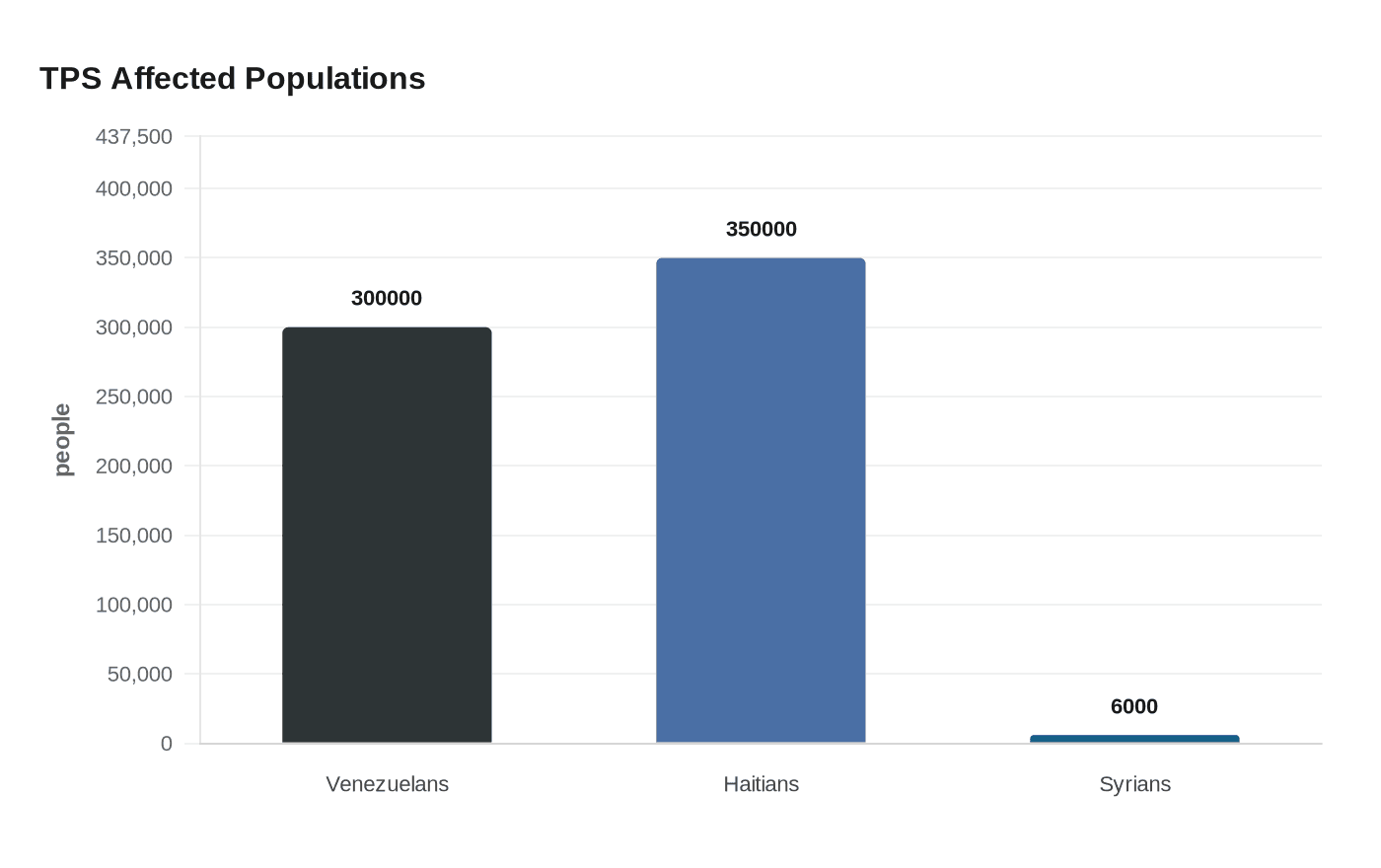
On April 29, 2026, the court heard arguments over the administration’s efforts to terminate TPS for Haiti and Syria, a dispute that directly affects about 350,000 Haitian nationals and roughly 6,000 Syrians. Plaintiffs and advocates described the fight as part of the largest “de-documentation” event in U.S. history, warning that the court’s emergency docket has become the place where humanitarian protections can be suspended before their legality is fully resolved.
TPS, created in 1990, lets the Homeland Security secretary shield nationals of countries facing natural disaster, armed conflict or other extraordinary and temporary conditions. The program protects people from removal and allows them to work legally in the United States. For Haitian families, the threat comes against the backdrop of the 2010 earthquake, the political crisis that deepened after the 2021 assassination of President Jovenel Moïse and continuing gang violence. For Syrians, it is tied to the civil war that began around 2011 and the 2023 earthquake that worsened an already severe humanitarian emergency.
The administration has argued that TPS decisions are committed to executive discretion and are not reviewable by courts, and that ending the protections serves national security and public safety. Supporters of TPS say the opposite is true: that abrupt terminations can destabilize households, throw workers out of jobs and force people back into countries still unable to safely absorb them.
The stakes extend beyond Haiti and Syria. The ACLU of Northern California said the outcome could affect as many as 1.3 million people across all 17 TPS countries in the United States. The court’s recent emergency orders suggest a stark precedent: temporary relief can disappear long before the final ruling arrives, and for migrants who depend on TPS to stay employed and protected from deportation, that delay is often the punishment.
This article was produced by Prism’s automated news system from verified source data, official records, and press releases, then run through automated quality and moderation checks before publishing. The system is built and supervised by the people who set the standards it runs under. Read our full AI policy.
Did this article answer your question?

