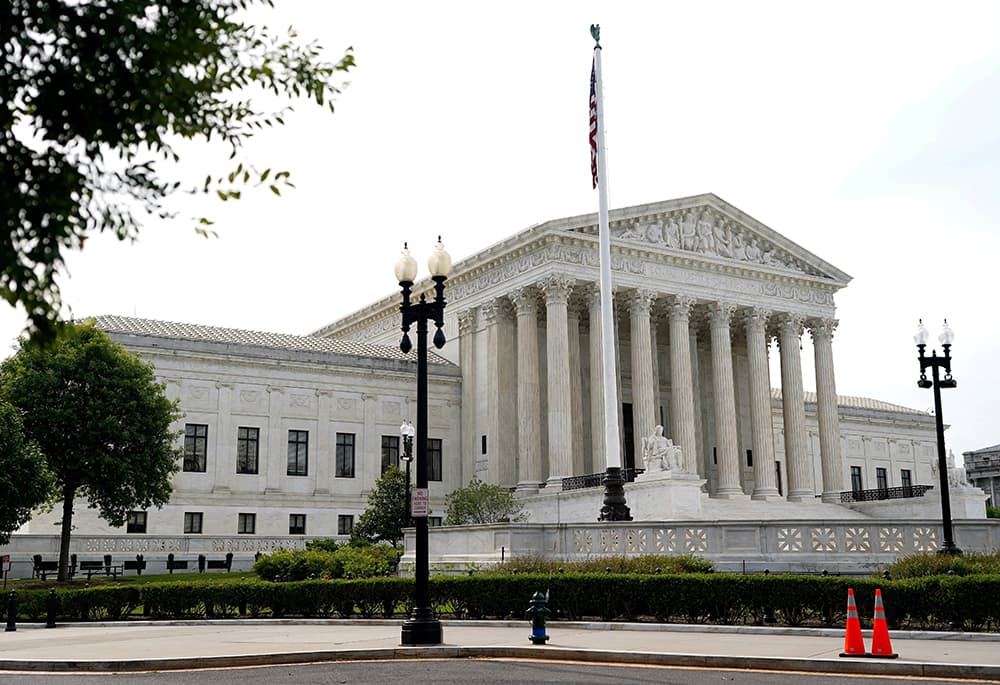
Supreme Court clears Trump to revive asylum limits, end TPS for Syrians and Haitians
The court opened the door to border metering again and let the administration move to strip TPS from 350,000 Haitians and 6,000 Syrians.

On Thursday, the Supreme Court gave the Trump administration room to revive a restrictive asylum policy at the U.S.-Mexico border and to press ahead with ending deportation protections for Syrians and Haitians. In two 6-3 rulings, the justices lifted lower-court blocks that had kept both policies on hold.
The asylum decision allows the federal government to turn away people seeking protection when border crossings are too overburdened to handle additional claims. That effectively revives a form of border metering, limiting how many people can seek asylum each day and allowing officials to stop migrants before they physically enter the United States. The case turned on whether people who have not yet crossed into the country are entitled to apply for asylum under federal law, and the court held that the government may stop them at the border before they set foot on U.S. soil.

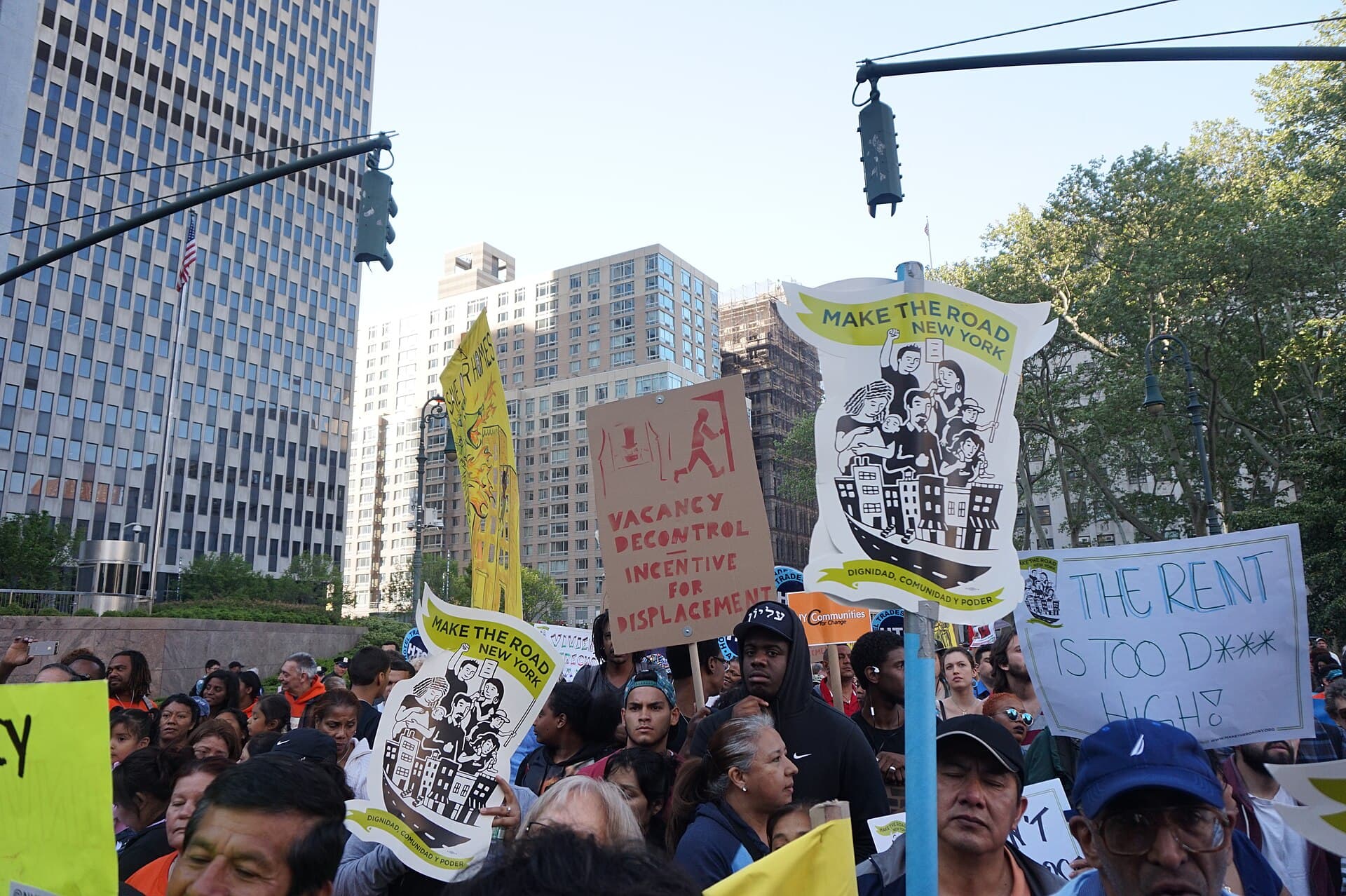
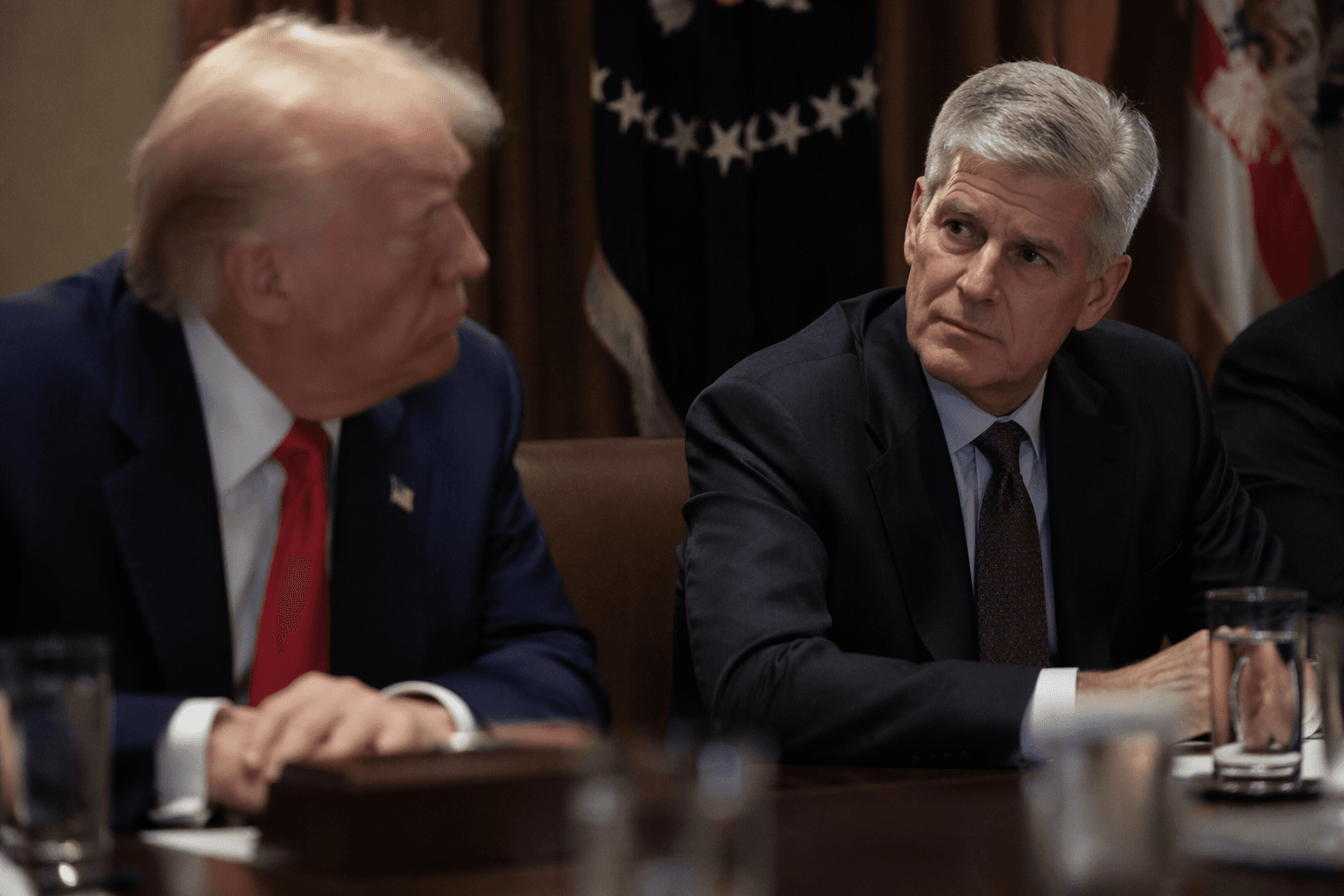
The separate case, Mullin v. Doe, No. 25-1083, let the Department of Homeland Security end Temporary Protected Status for Syrians and Haitians. The ruling affects about 350,000 Haitians and about 6,000 Syrians, exposing them to potential deportation after lower-court orders had kept their protections in place. Temporary Protected Status is a humanitarian program Congress created in 1990 for people who cannot safely return home, but the statute bars courts from second-guessing the secretary’s termination decisions. That decision follows Trump's move to end TPS for about 1 million immigrants from 13 countries during his second term.
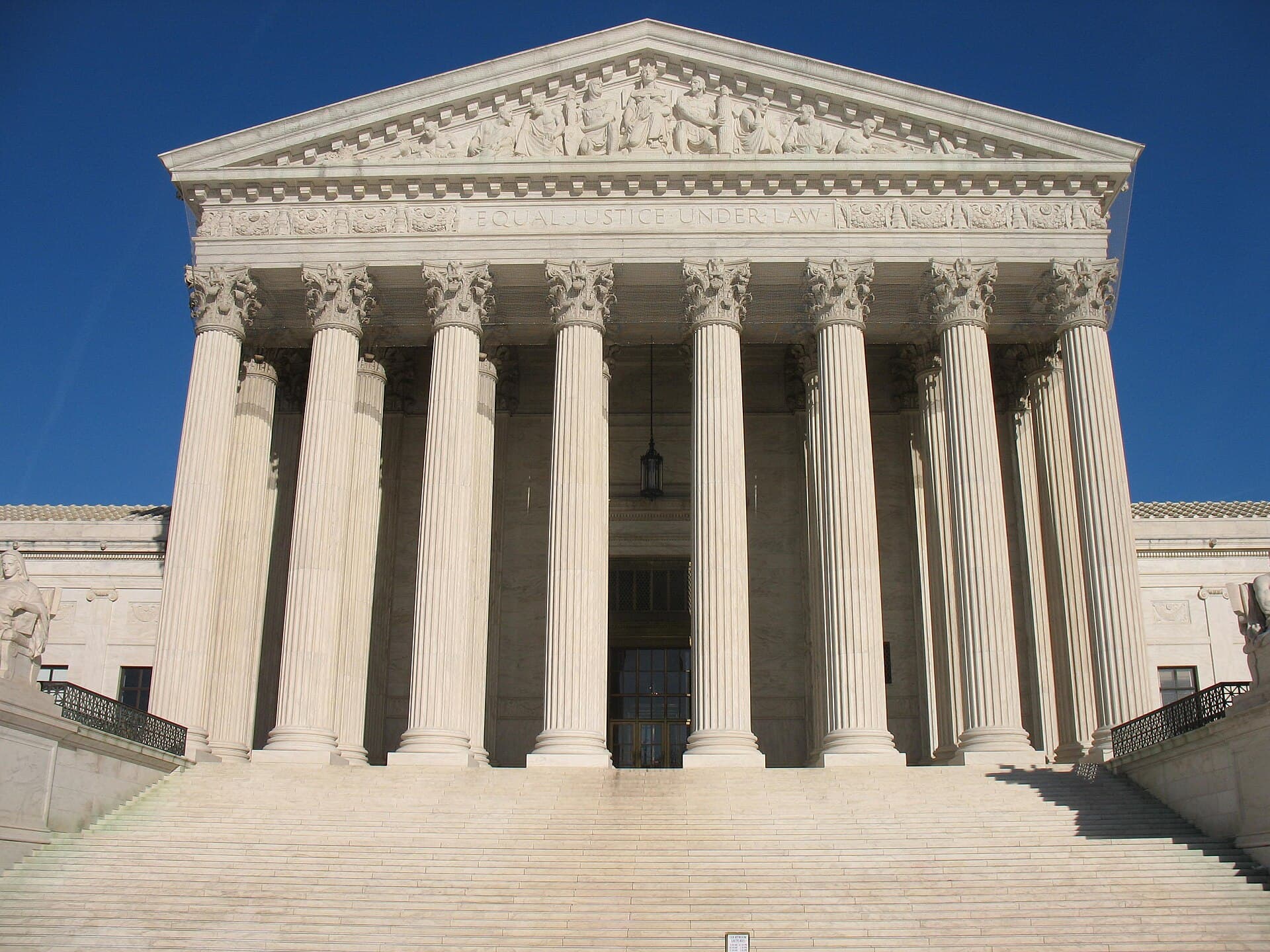
Both rulings were handed down on June 25, 2026, after the TPS case was argued on April 29, 2026.
This article was produced by Prism’s automated news system from verified source data, official records, and press releases, then run through automated quality and moderation checks before publishing. The system is built and supervised by the people who set the standards it runs under. Read our full AI policy.
Know something we missed? Have a correction or additional information?
Submit a Tip