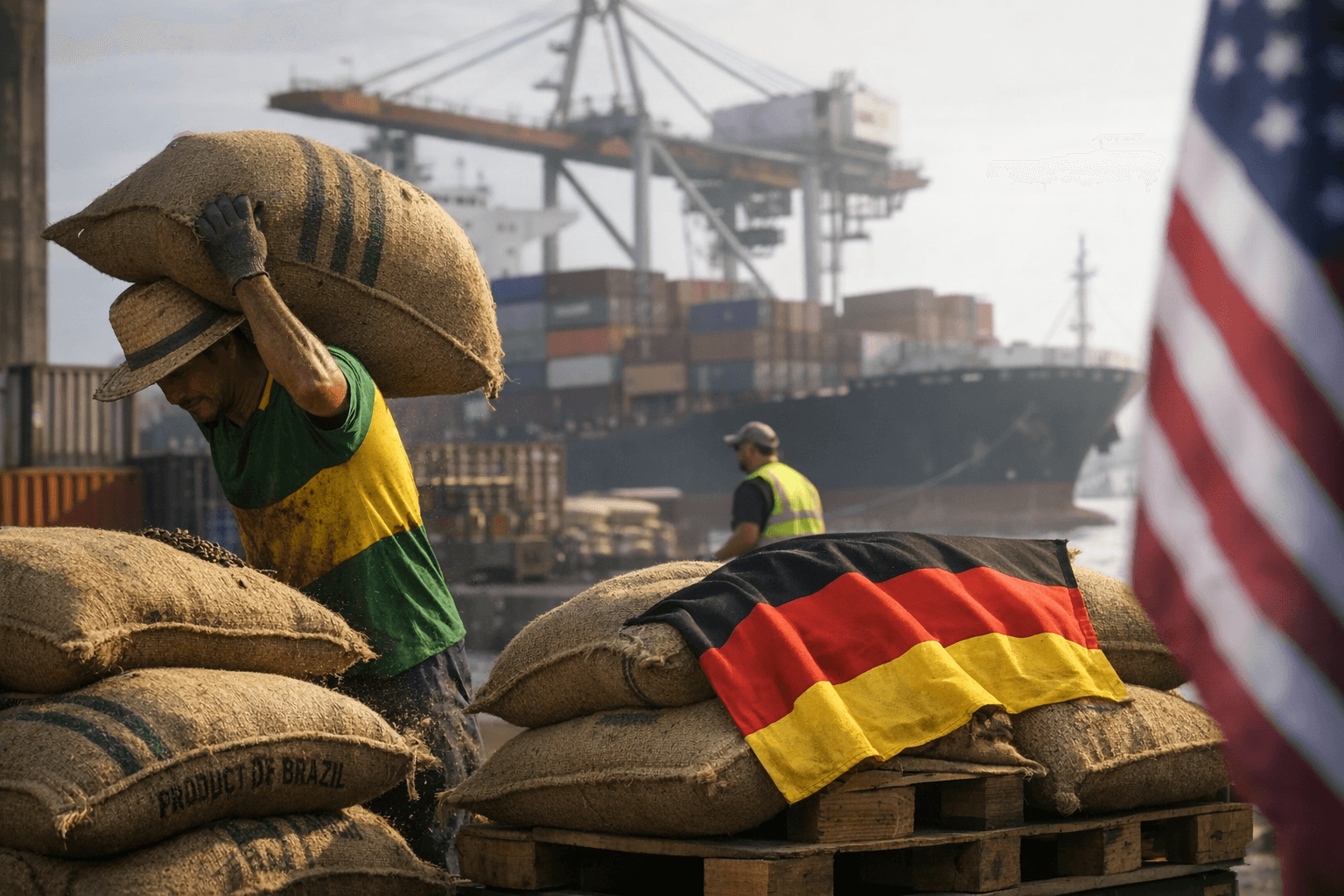
Supreme Court May Allow Refunds for U.S. Coffee Importers; Ethiopia Seeks UNESCO
Supreme Court’s 6-3 IEEPA decision raises the prospect of refunds for tariffs that could total US$134 billion, a development that may affect importers and roasters who paid duties last year.
The Supreme Court’s 6-3 ruling that the president lacked authority under the International Emergency Economic Powers Act to impose a sweeping set of tariffs has opened the door to refund claims that could reshape costs for U.S. coffee importers and roasters. Perfect Daily Grind reported the administration “may now be accountable for refunding US$134 billion (and counting) in tariff revenue,” while The New York Times said the government “may have to refund more than $100 billion” to thousands of importers.
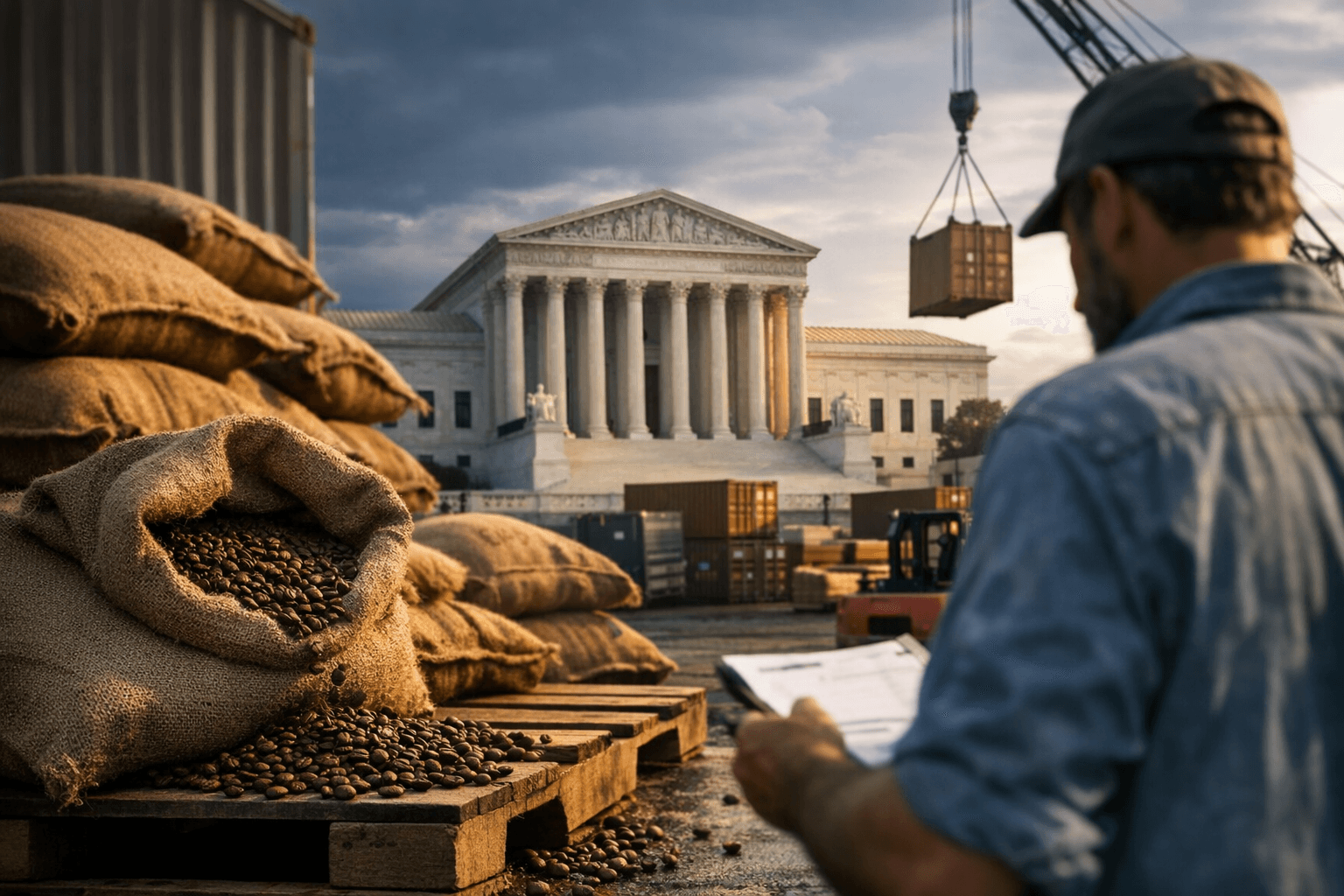
The Court struck down the so-called Liberation Day tariffs, finding IEEPA did not grant the president power to tax imports and that such authority belongs to Congress. The justices did not provide an administrative mechanism for refunds, leaving legal and procedural questions unresolved. Sprudge cited Justice Brett M. Kavanaugh’s dissent warning the U.S. “may be required to refund billions of dollars to importers who paid the IEEPA tariffs” and calling the aftermath a “mess.”
Coffee-sector specifics complicate the practical impact. Most coffee products were exempted from the levies in November 2025, according to Perfect Daily Grind and Vespertool, but duties collected before that exemption may be eligible for claims. Perfect Daily Grind noted some larger businesses reported paying over US$90,000 in tariff duties on shipments exceeding 200,000 pounds, underscoring concrete cash strain for importers of green coffee.
Roasters on the front lines describe tangible pain. Ron Kurnik, owner of Superior Coffee Roasting Co in Sault Ste. Marie, Michigan, told Fortune he had to raise retail prices twice by 6 percent because of the tariffs and faced reciprocal tariffs from Canada where much of his business is concentrated. “It’s like a nightmare we just want to wake up from,” Kurnik said, and he added he is “happy with the Supreme Court’s ruling” though he “doesn’t think a refund is likely.”
Industry and political actors are already mobilizing. The We Pay The Tariffs coalition demanded Congress deliver “full, fast, and automatic” tariff refunds, Perfect Daily Grind reported, and House and Senate Democrats have introduced legislation aimed at compelling reimbursement for affected businesses. The Trump administration signaled resistance and uncertainty; PDG noted the president told reporters it could take up to five years for refunds to be processed, and Fortune reported White House officials said they would seek ways to maintain tariffs despite the ruling.
Markets reacted modestly. Sugar & Sweeteners columnist Megan Hidden reported the active May coffee contract fell 3.6 cents over the two weeks ending February 20, settling at 285 US cents per pound, a move analysts call largely muted because coffee had already been exempted in late 2025. Sprudge also highlighted that Brazil, the United States’ largest coffee trading partner, was hit with a 50 percent tariff in the original measures, which intensified costs for buyers before the exemption.
Cultural news ran alongside trade headlines. Perfect Daily Grind flagged that Ethiopia is seeking UNESCO intangible cultural heritage status for its traditional coffee ceremonies, illustrated in the recap by a photo captioned “A Dorze Ethiopian woman holding a traditional black Jebena coffee pot.”
Practical questions remain immediate and concrete: which agency will administer any refunds, how Treasury or Customs and Border Protection will handle claims, and whether pending legislation will force quick relief. Expect months or years of litigation and administrative proceedings as importers pursue duty recovery and lawmakers press for clarity.
Know something we missed? Have a correction or additional information?
Submit a Tip