Supreme Court narrows human rights lawsuits over Cisco China surveillance claims
The Supreme Court cut back a long-running Cisco China surveillance case, tightening a key path for victims alleging U.S. firms helped overseas repression. The ruling leaves the factual accusations unresolved.
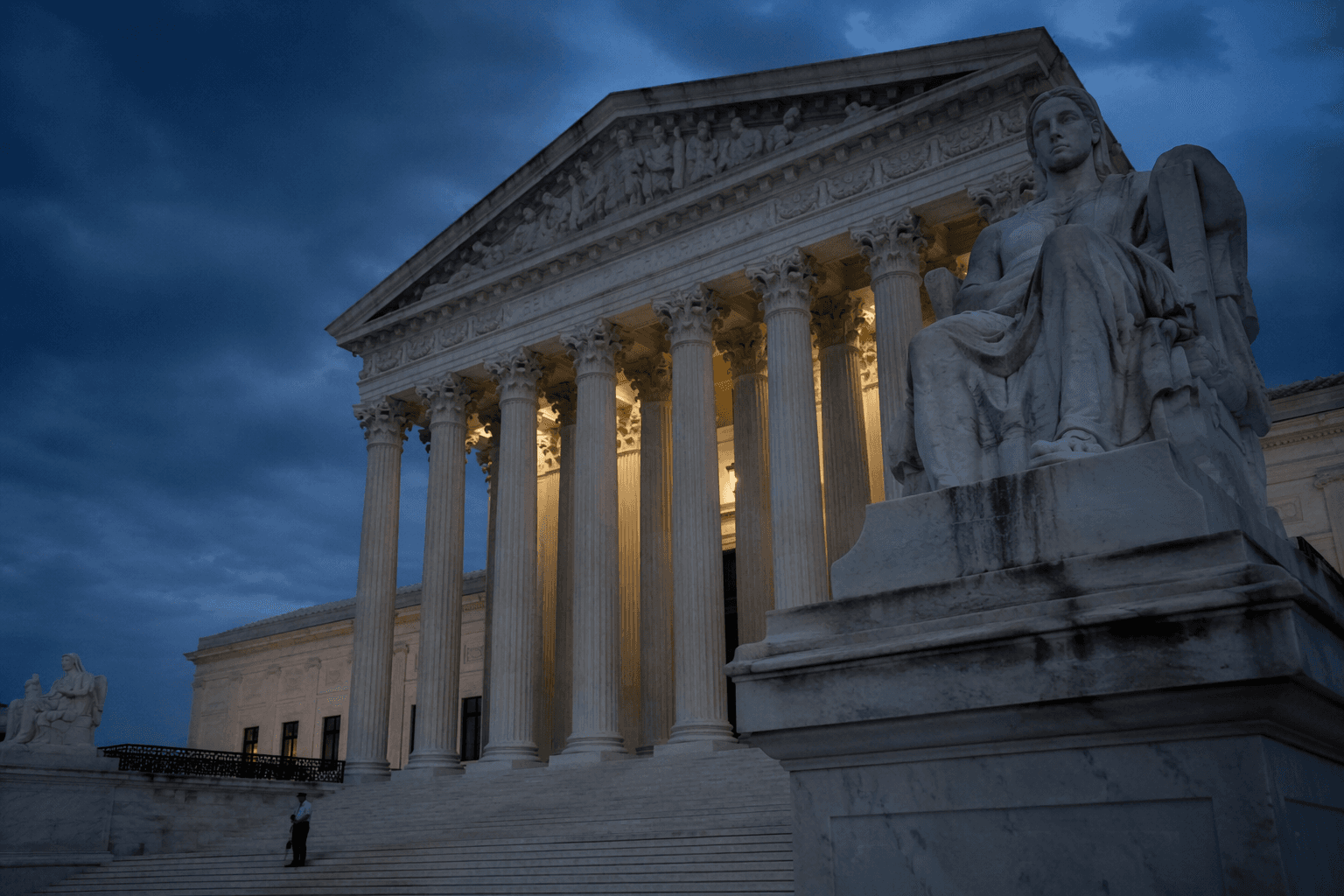
The Supreme Court on Tuesday narrowed a closely watched human rights lawsuit accusing Cisco Systems of helping build surveillance tools used by China to track Falun Gong practitioners, a ruling that could make it harder for victims to sue U.S. companies over alleged complicity in repression abroad. The justices reversed a Ninth Circuit decision that had revived the case in 2023, returning the dispute to a narrower view of who can be sued and where.
The case, Cisco Systems, Inc. v. Doe, No. 24-856, was argued on April 28, 2026 and decided June 23, 2026. It was brought under the Alien Tort Statute of 1789, which gives federal district courts jurisdiction over civil actions by aliens for torts committed in violation of the law of nations or a U.S. treaty. The plaintiffs, a group of Chinese nationals plus one U.S. citizen, Charles Lee, alleged that Cisco developed surveillance technology that allowed China to identify and apprehend Falun Gong practitioners. The lawsuit also sought to hold two Cisco executives liable under the Torture Victim Protection Act of 1991.
The allegations centered on China’s so-called Golden Shield system, a nationwide internet surveillance network said to have been used to track, detain and torture practitioners. Falun Gong began in China in the 1990s, and by the time Beijing banned the movement in 1999 it may have had as many as 100 million practitioners in China. The lawsuit, first filed in 2011, was dismissed by a federal district judge in 2014 before the Ninth Circuit later allowed aiding-and-abetting claims to move ahead.
During oral argument, several justices signaled skepticism about the plaintiffs’ theory. Justice Sonia Sotomayor said Cisco “knew that those people will be tortured,” while the company’s lawyer answered that Cisco “vigorously disputes those allegations.” The dispute drew intense attention because it tested whether U.S. law can reach corporations accused of providing technology that allegedly enabled repression in authoritarian markets.
The ruling does not decide whether Cisco actually helped China carry out abuses, nor does it resolve the broader moral question of corporate responsibility for overseas repression. But it does further limit the reach of the Alien Tort Statute, narrowing an avenue that human rights advocates have used to press claims over international-law violations and setting another marker for future cases involving technology companies, surveillance tools and alleged complicity abroad.
This article was produced by Prism’s automated news system from verified source data, official records, and press releases, then run through automated quality and moderation checks before publishing. The system is built and supervised by the people who set the standards it runs under. Read our full AI policy.
Know something we missed? Have a correction or additional information?
Submit a Tip