Kenya halts U.S.-backed Ebola quarantine center at Laikipia Air Base
A court clash over a 50-bed Ebola quarantine center at Laikipia Air Base ended with Kenya ordering a full stop after protests, deaths and a contempt finding.

Kenya has halted construction of a U.S.-backed Ebola quarantine center at Laikipia Air Base after a Nairobi court found Health Cabinet Secretary Aden Duale in contempt for letting work continue despite a stop-work order. Duale told the High Court in Nairobi that he had directed “the immediate and complete cessation of any intended construction, site preparations or related activities” at the site.
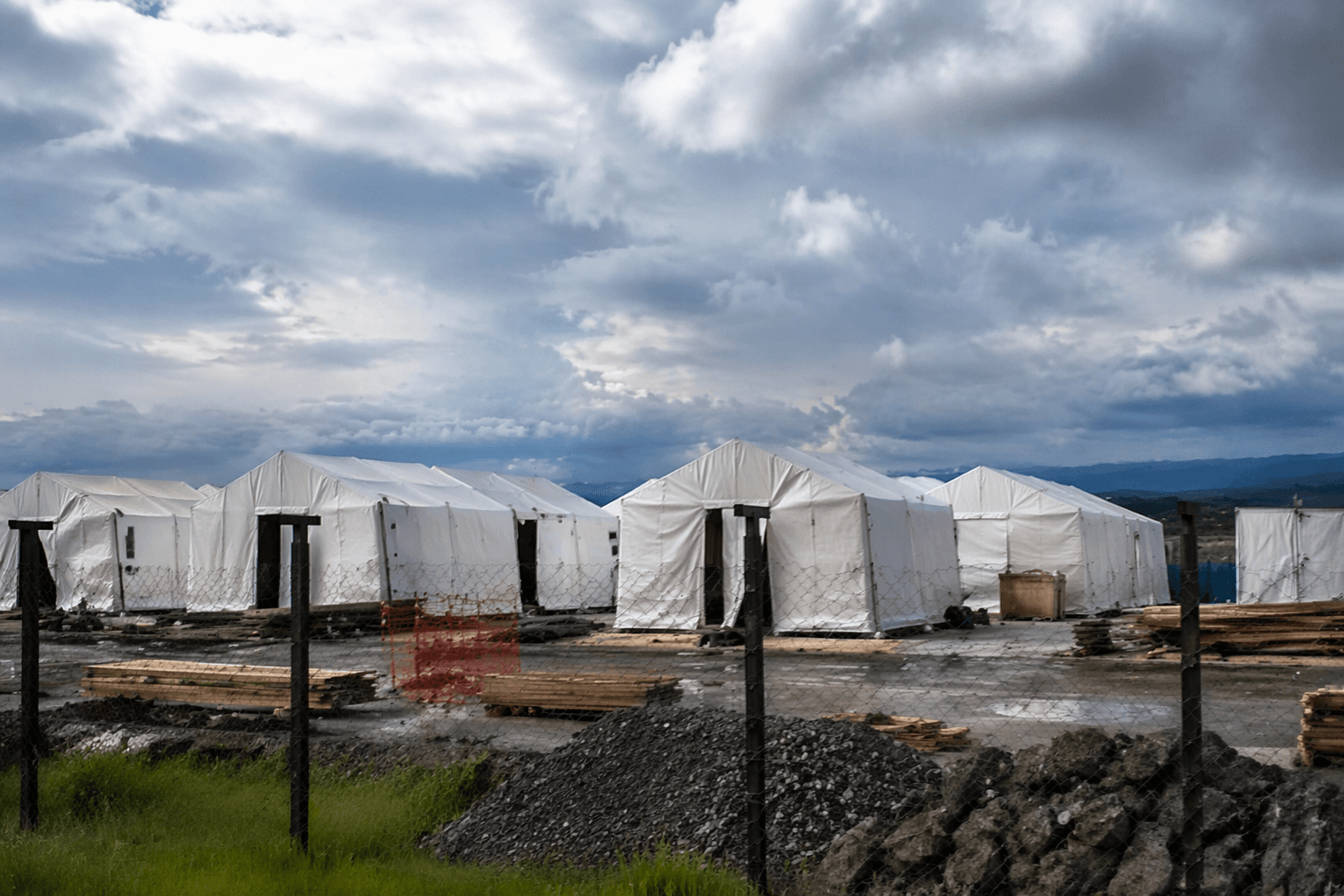
The proposed facility was a 50-bed quarantine center at Laikipia Air Base in Nanyuki, Laikipia County, intended to host Americans exposed to Ebola during the outbreak in the Democratic Republic of the Congo. U.S. officials said the plan was meant to reduce the risk of transporting potentially exposed people back to the United States, and the response was being coordinated across the State Department, the Department of Health and Human Services, and the War Department.
The dispute quickly became more than a health logistics issue. The proposal had already triggered public protests in Nanyuki, and one demonstration turned violent, leaving at least two people dead and others injured. President William Ruto supported the plan, placing the government at the center of a broader argument over public health preparedness, national sovereignty and whether Kenyans had been given enough transparency about a foreign-backed facility on Kenyan soil.
Duale’s court appearance on Tuesday, June 23, 2026, came after earlier Kenyan stop-work orders had already suspended the project. He said it was never his intention to disregard the court’s orders, but the contempt finding underscored how far the dispute had escalated as construction continued in defiance of the judiciary.
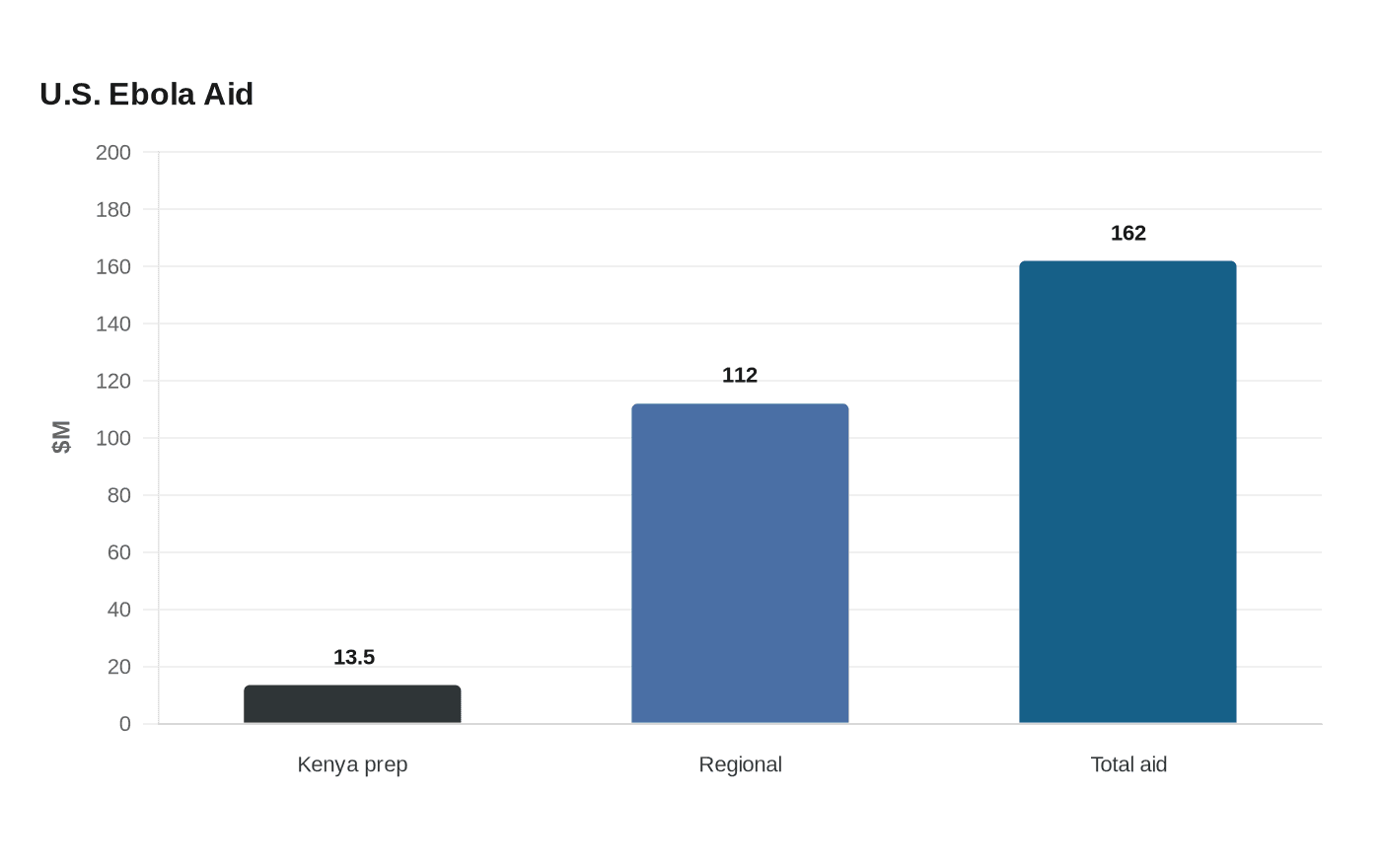
The clash came as the United States deepened its Ebola response across the region. On May 28, 2026, Washington said it intended to commit $13.5 million to Kenya’s Ebola preparedness efforts and had already committed $112 million to the regional response. A day later, the State Department said total U.S. assistance had surpassed $162 million, while also warning that Americans who had been in the Democratic Republic of the Congo, Uganda or South Sudan within 21 days of arriving in the United States had to enter through designated airports for enhanced screening.
The outbreak remained active across the region, with U.S. reporting citing 1,048 confirmed Ebola cases and 267 deaths in the Democratic Republic of the Congo, along with 20 confirmed cases and two deaths in Uganda. For Kenya, the halted facility has become a test of whether emergency health planning can survive court scrutiny, public suspicion and the politics of who controls the country’s response in a crisis.
This article was produced by Prism’s automated news system from verified source data, official records, and press releases, then run through automated quality and moderation checks before publishing. The system is built and supervised by the people who set the standards it runs under. Read our full AI policy.
Know something we missed? Have a correction or additional information?
Submit a Tip