Vatican rejects bid to let women preach during Mass
The Vatican said women and other lay Catholics may not deliver the homily at Mass, even in exceptional cases, rejecting Germany’s appeal to expand preaching roles.
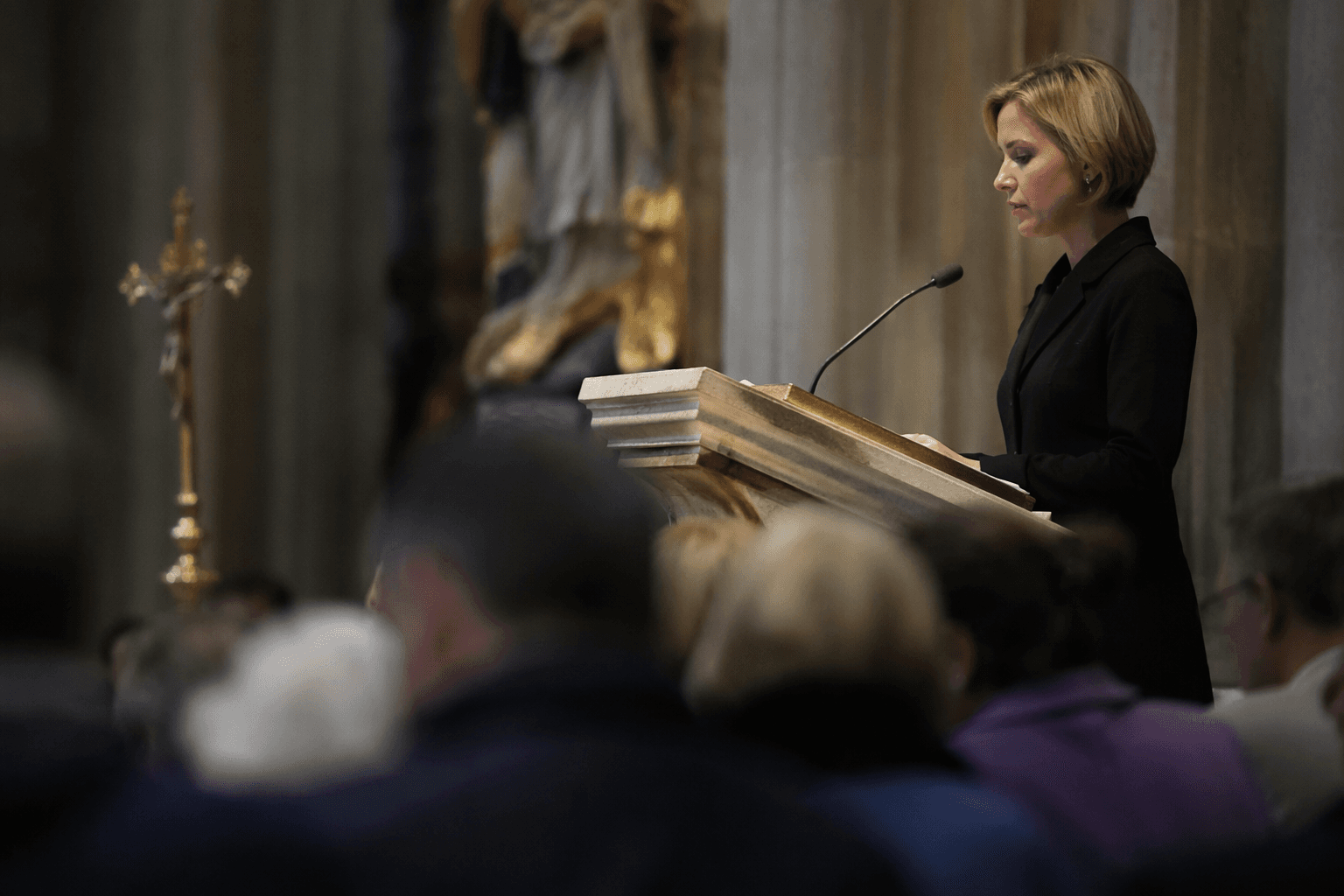
The Vatican has shut down one of the clearest tests of how far Catholic reform can reach inside Mass. In a letter dated June 17 to Bishop Heiner Wilmer, the president of the German Bishops’ Conference, the Dicastery for Divine Worship and the Discipline of the Sacraments said women and other lay Catholics may not preach the homily, even in exceptional cases.
Germany’s bishops had asked on March 30 for permission to let “a duly commissioned lay member of the faithful” take the homily’s place when needed. The Vatican refused, saying canon law already makes the line plain: the homily is part of the liturgy itself and is reserved to a priest or deacon. It added that the homily is “inseparable” from the sacramentally received mission of ordained ministers and that the current discipline cannot be dispensed from by an indult.
The ruling closes, for now, a practical avenue that reform-minded Catholics had hoped might widen the visibility of women in worship. The dicastery said laypeople can still preach in other settings outside the homily and outside the Eucharistic celebration, but the central sermon at Mass remains tied to the ordained clergy. That distinction preserves an all-male sacramental hierarchy at the moment when sermons remain among the most visible and influential parts of Catholic worship.
The decision also lands in a church already marked by tension over who gets to shape practice. The German Bishops’ Conference, the highest body of Catholic bishops in Germany, has 60 members; 56 attended its spring plenary in Würzburg from February 23 to 26. Wilmer was elected chairman on February 24, replacing Georg Bätzing, placing him at the center of one of Europe’s most organized reform debates.
The Vatican’s position rests on older and newer lines of teaching. John Paul II’s 1994 Ordinatio Sacerdotalis said priestly ordination had from the beginning been reserved to men alone. Pope Francis’ Spiritus Domini opened instituted lector and acolyte ministries to women in 2021, showing that some lay roles have expanded even as the homily remains off limits.
That boundary carries symbolic weight beyond Germany. Catholic women’s groups such as Maria 2.0 have pressed for equality, ordination, and broader recognition for years, while church officials continue to draw a hard doctrinal line at the altar. The message from Rome was brief but unmistakable: on preaching during Mass, the church is holding the line.
This article was produced by Prism’s automated news system from verified source data, official records, and press releases, then run through automated quality and moderation checks before publishing. The system is built and supervised by the people who set the standards it runs under. Read our full AI policy.
Know something we missed? Have a correction or additional information?
Submit a Tip