India intensifies scrutiny of Telegram over abuse, scam allegations
India escalated pressure on Telegram after a court-reviewed report linked the app to child abuse material, fraud and a one-week ban tied to a medical exam leak.

India has sharpened its scrutiny of Telegram after a 35-page government report said the messaging app was being used extensively to share child sexual abuse material and carry out financial scams. The report, prepared by the Home Ministry’s Cybercrime Coordination Centre and filed in court, said officials were “proactively monitoring” Telegram groups and channels as the platform became central to fraud and abuse investigations.
The findings landed in the middle of a wider fight over how far the state can go in policing a semi-private communications platform. The government had already imposed a one-week ban after Telegram was allegedly used in a leak tied to India’s medical school entrance exam, the NEET-UG, and the platform’s message-editing feature was kept disabled until June 30. In the report, officials said Telegram’s privacy design, which lets users interact without revealing a phone number, made identity detection harder for investigators.
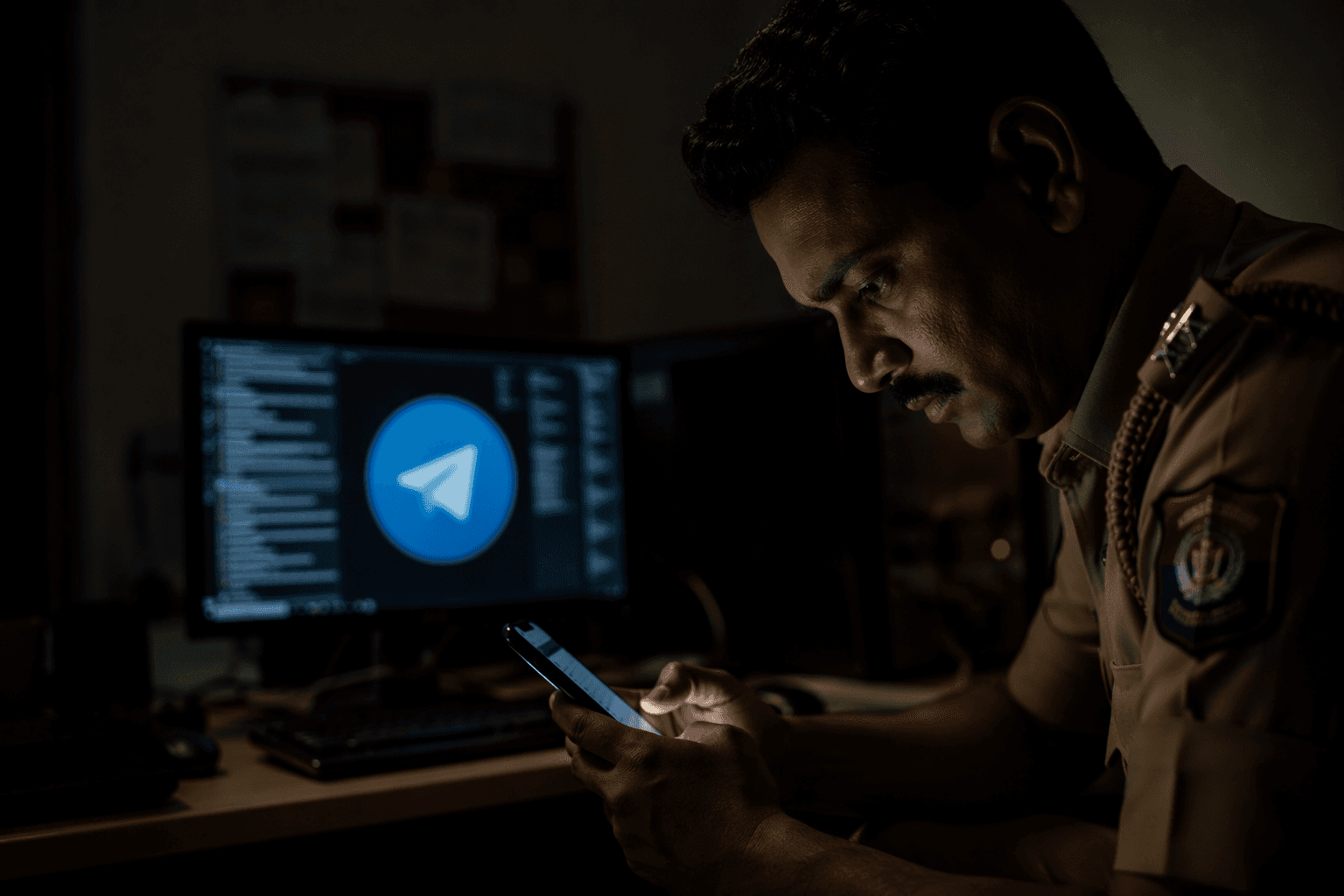
The scale of the problem cited by Indian authorities was stark. Reuters reported that the government said it had received more than 688,000 complaints about Telegram as a medium for cyber fraud since 2023, with estimated losses of about $750 million to Indian citizens. The same report included screenshots said to show fake job ads, child exploitation material and a pirated Bollywood spy film, while Telegram told the court that an internal review found illegal content accounted for less than 0.1% of what was on the platform. Pavel Durov called India’s ban a “mistake,” and the National Testing Agency backed the government’s action in the exam-fraud case.

India is Telegram’s biggest market, with more than 150 million users, which makes its response especially consequential for regulators watching encrypted and semi-private platforms. The case also echoes pressure elsewhere: France opened a probe into Telegram in 2024 over organized-crime activity, Britain’s communications regulator launched an investigation in April 2026 after evidence suggested child sexual abuse material was being shared there, and other countries have raised copyright, deepfake and fraud concerns. That convergence has turned India into a national test case for whether democracies can demand accountability from closed platforms without normalizing broad digital surveillance or weakening due process and free expression.
This article was produced by Prism’s automated news system from verified source data, official records, and press releases, then run through automated quality and moderation checks before publishing. The system is built and supervised by the people who set the standards it runs under. Read our full AI policy.
Know something we missed? Have a correction or additional information?
Submit a Tip