US rejects Iran plan to charge ships in Strait of Hormuz
Washington rejected any Iranian toll at Hormuz, where 20 million barrels of oil moved daily and more than 20,000 seafarers were stranded.
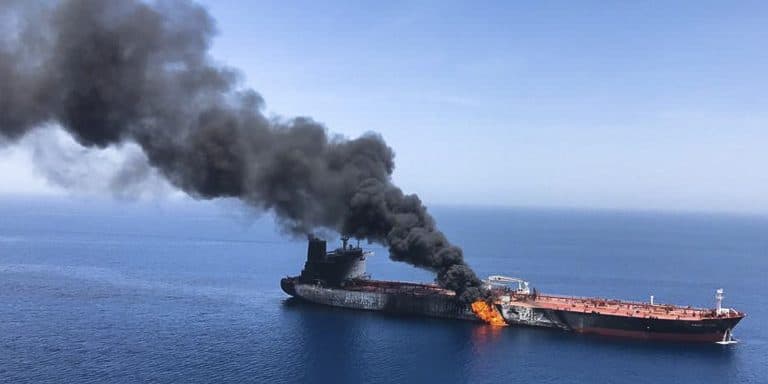
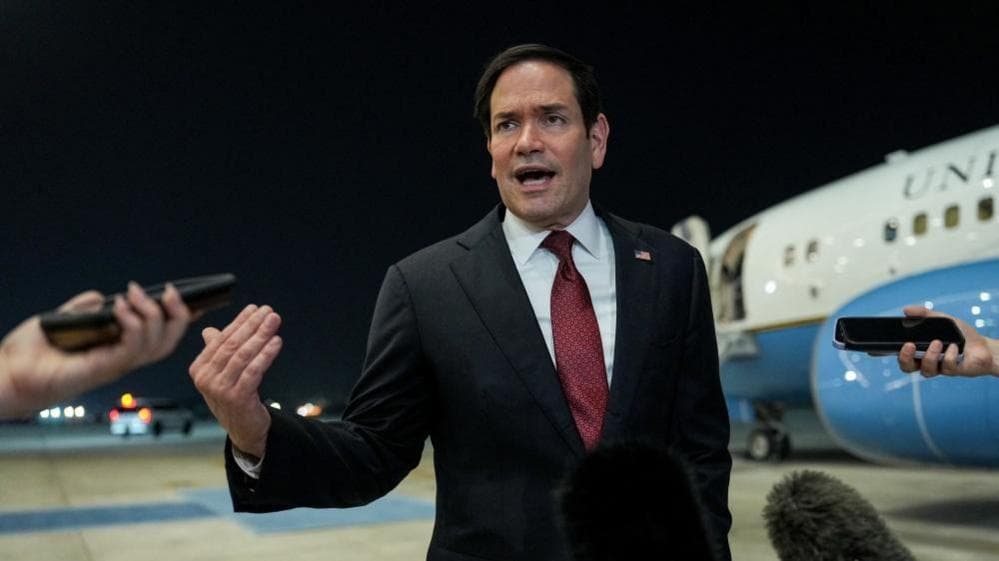
Any attempt by Iran to charge ships for passage through the Strait of Hormuz would hit the world’s most sensitive energy artery, where about 20 million barrels of oil moved daily in 2024 and roughly a fifth of global petroleum liquids consumption crossed. Marco Rubio rejected the idea as barred by international law, but the deeper issue is what would happen if Tehran tried to turn the strait into a toll road: oil prices would rise, shipping costs would climb, and the United States would face pressure to harden its military posture around the Gulf.
The legal fight rests on a narrow but powerful rule. Under the United Nations Convention on the Law of the Sea, ships and aircraft in straits used for international navigation have a right of transit passage that “shall not be impeded.” That principle is clear on paper, but enforcement in practice would depend on whether the United States, Gulf states, insurers and major maritime powers treated any fee regime as a nonstarter and kept vessels moving anyway. At its narrowest point, Hormuz is only 29 nautical miles wide, with two 2-mile navigable channels and a 2-mile buffer zone, which means even a limited disruption would be felt far beyond the Gulf.
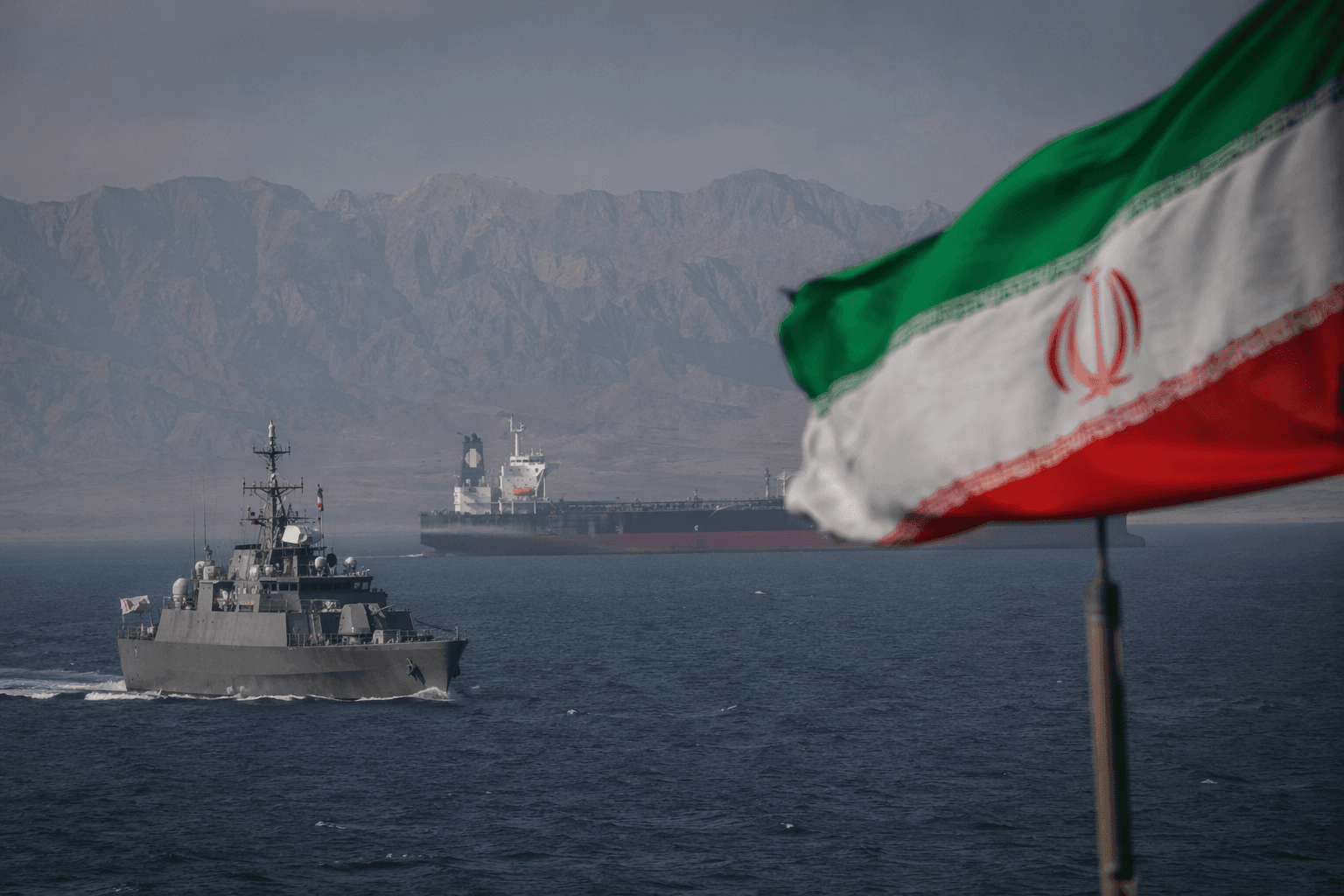
The commercial stakes are enormous. The International Energy Agency said about 20 million barrels a day of crude oil and oil products moved through Hormuz in 2025, while UNCTAD said the strait carries around a quarter of global seaborne oil trade. The Congressional Research Service said roughly 20% of global LNG trade also passes through it, and the U.S. Energy Information Administration said more than 11.4 billion cubic feet per day of LNG transited the strait in the first half of 2025, with China taking almost one-third of those volumes. A toll, even a modest one, would likely be folded into freight rates and insurance premiums, magnifying costs for Asian and European buyers and giving energy markets another reason to price in risk.
The dispute unfolded as maritime authorities warned that the route remained fragile. The International Maritime Organization said it was monitoring more than 20,000 seafarers stranded on vessels unable to exit the strait, and Secretary-General Arsenio Dominguez said civilian mariners must never be harmed. Chatham House estimated the waterway normally sees about 100 to 140 major vessels a day, a reminder that any permit system or levy would not just be a legal provocation but an operational shock to global shipping.
Washington also moved to build a wider front against the idea. The State Department said Rubio and Chinese Foreign Minister Wang Yi discussed Hormuz tolls in an April phone call and agreed that no country or organization can charge tolls on international waterways like Hormuz, an important signal because China is a major destination for LNG cargoes moving through the strait. Iran and Oman said on June 23, 2026, that they would continue talks on navigation administration in Hormuz and create a joint working group. For now, the law is the easy part; the real test is whether the world is willing to enforce it where the barrels, ships and warships actually pass.
This article was produced by Prism’s automated news system from verified source data, official records, and press releases, then run through automated quality and moderation checks before publishing. The system is built and supervised by the people who set the standards it runs under. Read our full AI policy.
Know something we missed? Have a correction or additional information?
Submit a Tip