US sanctions Cuban state-linked firms, deepening island's economic crisis
Washington targeted GAESA-linked firms and GeoMinera, pressing Cuba’s money network as blackouts top 20 hours and medicines run scarce.
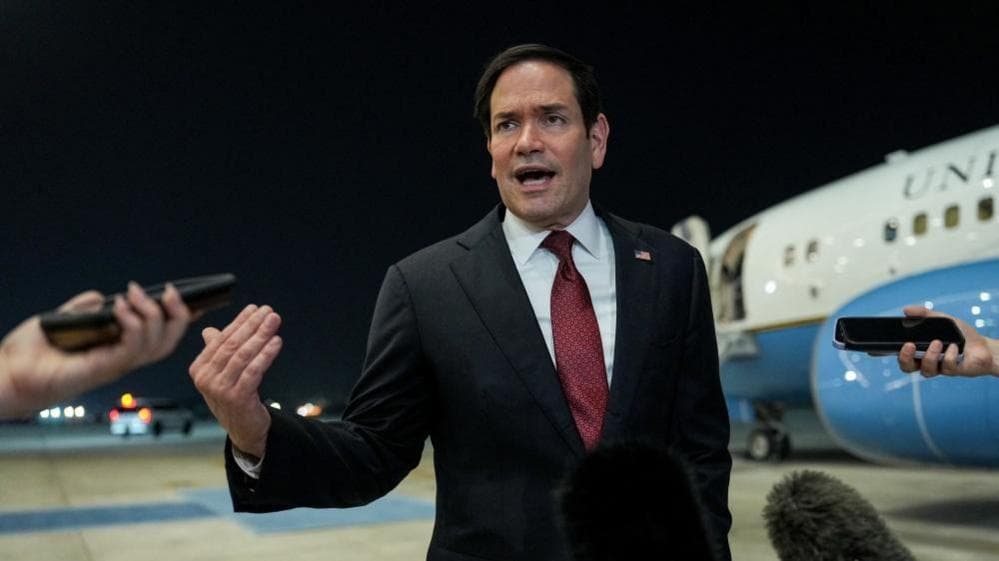
Washington widened its Cuba pressure campaign again, naming five state-linked entities and one member of the Castro family in a move aimed squarely at the island’s revenue machine. Marco Rubio said the June 23 action under Executive Order 14404 hit three firms tied to Grupo de Administración Empresarial S.A., better known as GAESA, the military-run conglomerate that sits at the center of Cuba’s commercial and security interests.
The designations reached Almacenes Universales S.A., a logistics and warehousing company that controls container traffic at the Port of Mariel Special Development Zone, along with RAFIN and Banco Financiero Internacional, two financial institutions that move money for the conglomerate. Rubio also said the move covered two entities tied to Cuba’s mineral and metal reserves, including state-owned GeoMinera, and the wife of Alejandro Castro Espín, whom the State Department had already designated under the same order. Under the White House directive, property in U.S. jurisdiction is blocked, and people or companies that materially assist the targeted entities can also face sanctions and loss of access to the U.S. financial system.
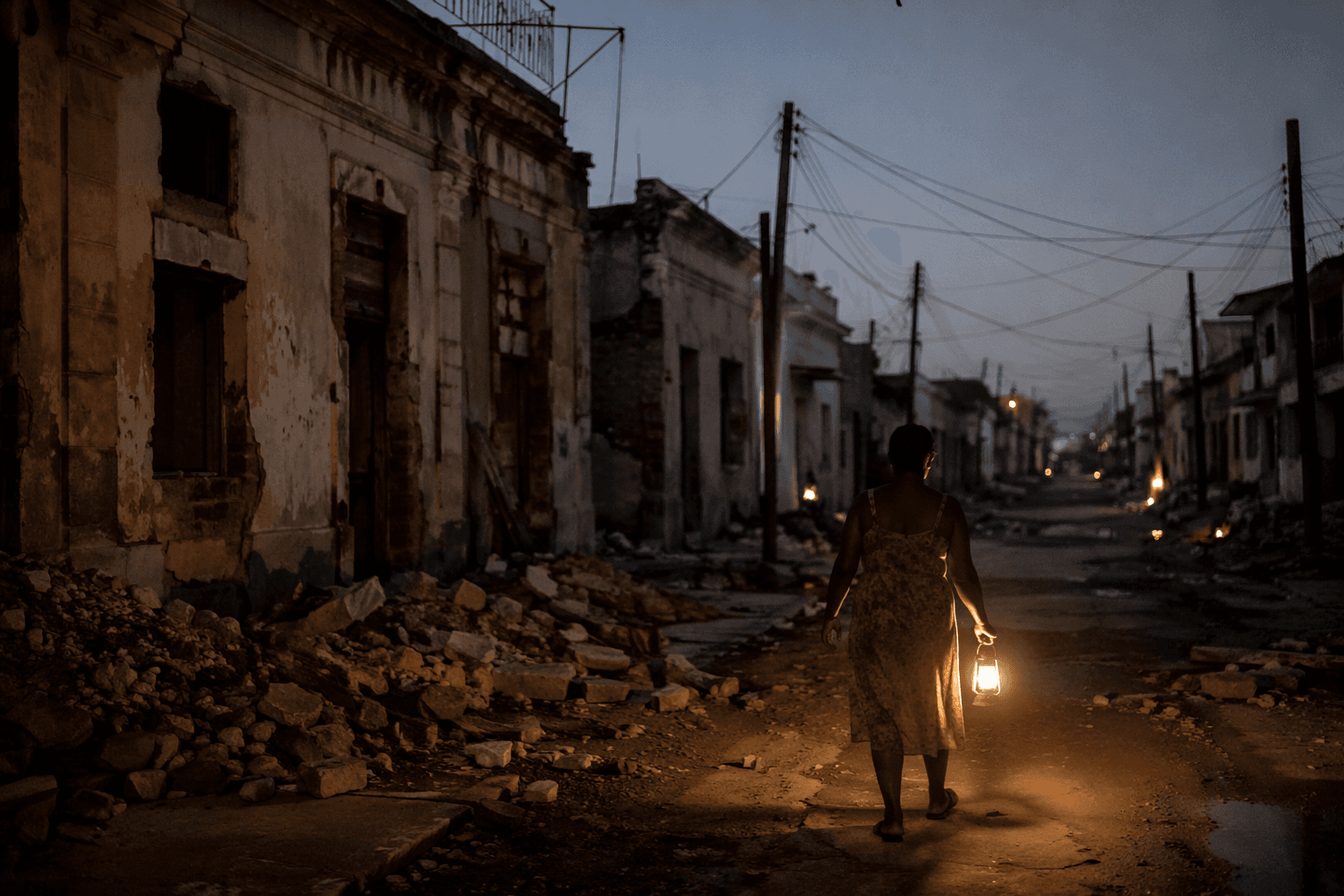
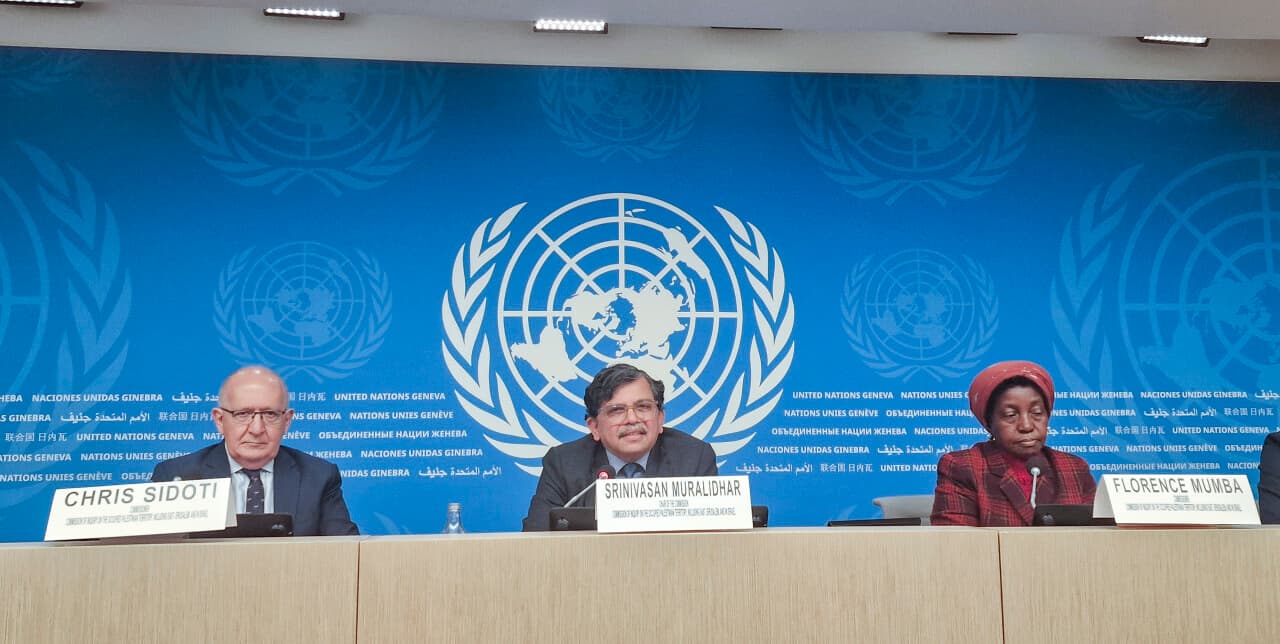
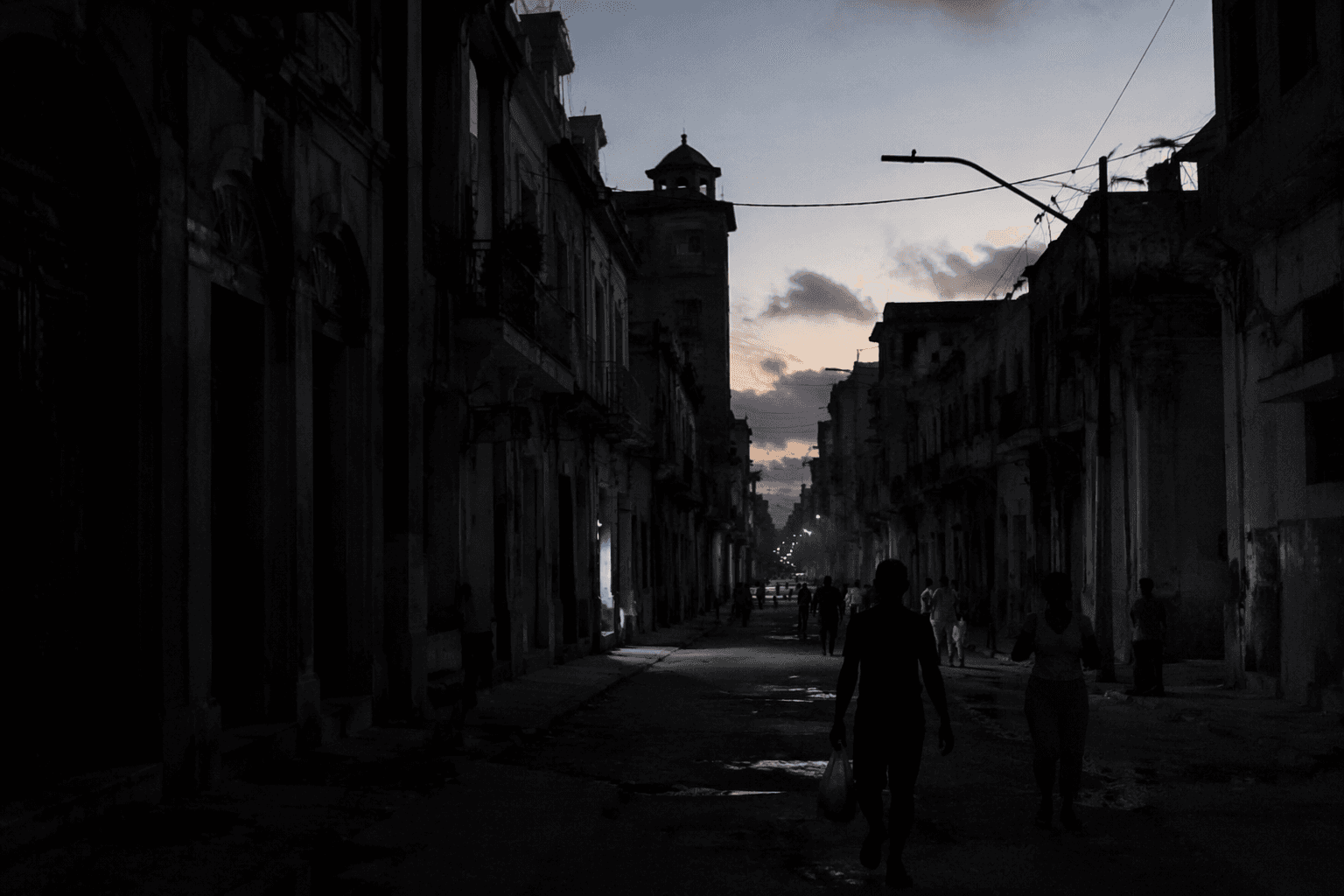
The sanctions land in the middle of a public health and humanitarian emergency that the United Nations says is already worsening. On June 8, Volker Türk urged the U.S. to lift the sanctions, warning that fuel restrictions and tighter extraterritorial measures were directly harming Cubans; the UN said blackouts now frequently exceed 20 hours a day, essential medicines are down to about 30 percent of needed supply, and food production has fallen by roughly 60 percent as fuel shortages choke transport and farming. The UN also said humanitarian cargo has been hit by shipping disruptions.
For Washington, the policy is designed to squeeze the state and deter outsiders from doing business with it. GAESA is widely believed to control nearly 40 percent of Cuba’s GDP and held $14.5 billion in liquid reserves as of early 2024, a scale that makes it a powerful lever but also a reminder of how much of the economy sits inside the military-linked system. Michael Bustamante of the University of Miami said, “If your business in Cuba touches any of these folks, you risk being banned.” Cuba’s mid-June reforms, including steps allowing the private sector to import more directly, underscored how badly Havana needs outside capital even as Bruno Rodríguez denounced the latest sanctions as collective punishment. The result is a policy that may tighten pressure on the ruling apparatus, while also deepening civilian hardship and scaring off the investment Cuba says it needs most.
This article was produced by Prism’s automated news system from verified source data, official records, and press releases, then run through automated quality and moderation checks before publishing. The system is built and supervised by the people who set the standards it runs under. Read our full AI policy.
Know something we missed? Have a correction or additional information?
Submit a Tip