Netherlands joins U.S.-led Pax Silica amid ASML China dispute
The Netherlands joined Pax Silica even as it fought Washington over ASML limits, exposing a split between AI security cooperation and commercial freedom.
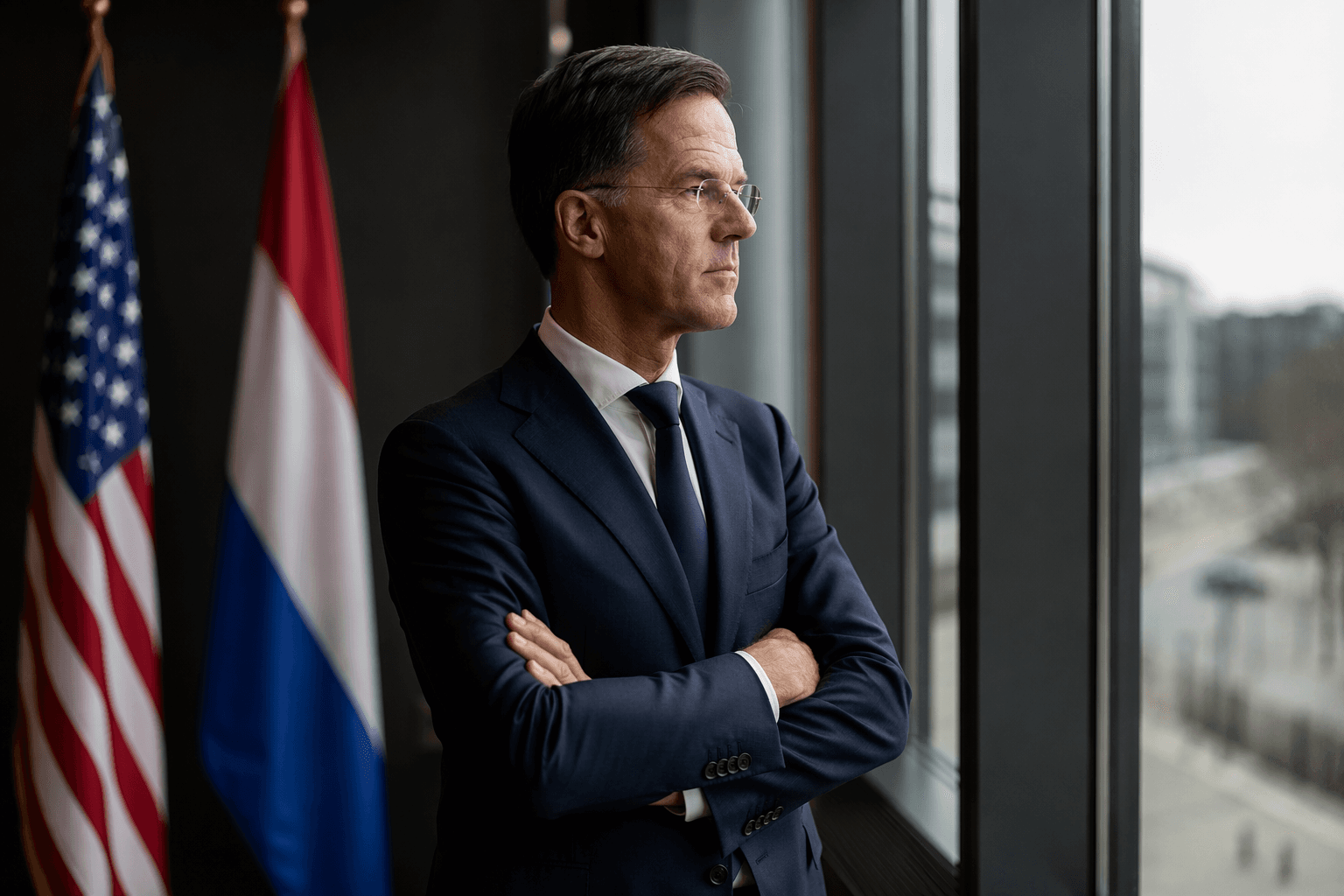
The Netherlands has stepped into a U.S.-led AI supply-chain coalition even as it clashes with Washington over how far ASML should be allowed to do business in China. That combination gives Pax Silica a major diplomatic win for the United States and underscores how hard it is for allies to align on technology security without constraining their own industrial champions.
Pax Silica is the State Department’s flagship effort on AI and supply chain security, built around the full stack needed to develop advanced computing, from critical minerals and energy inputs to semiconductors, AI infrastructure and logistics. The initiative is meant to reduce coercive dependencies and build a secure silicon supply chain among trusted partners, rather than isolate rivals.
Dutch participation matters because the Netherlands is one of the most important chip-country allies in the world. The inaugural Pax Silica summit already drew Japan, South Korea, Singapore, the United Kingdom, Israel, the United Arab Emirates and Australia, with Taiwan, the European Union, Canada and the OECD contributing as guests. By joining, The Hague adds another heavyweight to a bloc that U.S. officials want to turn into a new consensus on economic security.
The timing sharpened the contradiction. Dutch Trade Minister Sjoerd Sjoerdsma was in Washington lobbying against the proposed MATCH Act, a bill backed by senators Jim Risch, Pete Ricketts and Andy Kim and by House sponsor Michael Baumgartner. The measure, introduced in the Senate on April 8 and in the House on April 2, would push allies toward closer alignment with U.S. export controls on China and would close servicing and other loopholes, according to its sponsors.
That is exactly where the friction with the Netherlands lies. ASML is the only company in the world that makes EUV lithography machines, the tools used to print the most advanced semiconductor patterns. A June 19 report said Commerce Secretary Howard Lutnick told ASML executives that Washington was concerned one of those machines may have ended up in China. ASML says no EUV machine exists in China and that it has never shipped one there.
The stakes are enormous. Reuters-linked coverage has put ASML’s market value at about $700 billion, making it Europe’s most valuable public company, and every cutting-edge processor made by TSMC depends on ASML tools. That is why the Netherlands is trying to stay inside the U.S. security umbrella while preserving some room to maneuver on sales and servicing for Chinese customers.
Pax Silica shows how AI policy is now merging with trade and industrial strategy. The coalition gives Washington a framework for managing semiconductor dependencies with allies; the ASML dispute shows those allies are still unwilling to surrender commercial interests even when they join the same security architecture.
This article was produced by Prism’s automated news system from verified source data, official records, and press releases, then run through automated quality and moderation checks before publishing. The system is built and supervised by the people who set the standards it runs under. Read our full AI policy.
Know something we missed? Have a correction or additional information?
Submit a Tip