France honors Resistance fighter Marc Bloch with Panthéon induction
Marc Bloch became the first historian in the Panthéon, honored with his wife Simonne Vidal 82 years after their deaths as France reopened a debate over memory and identity.
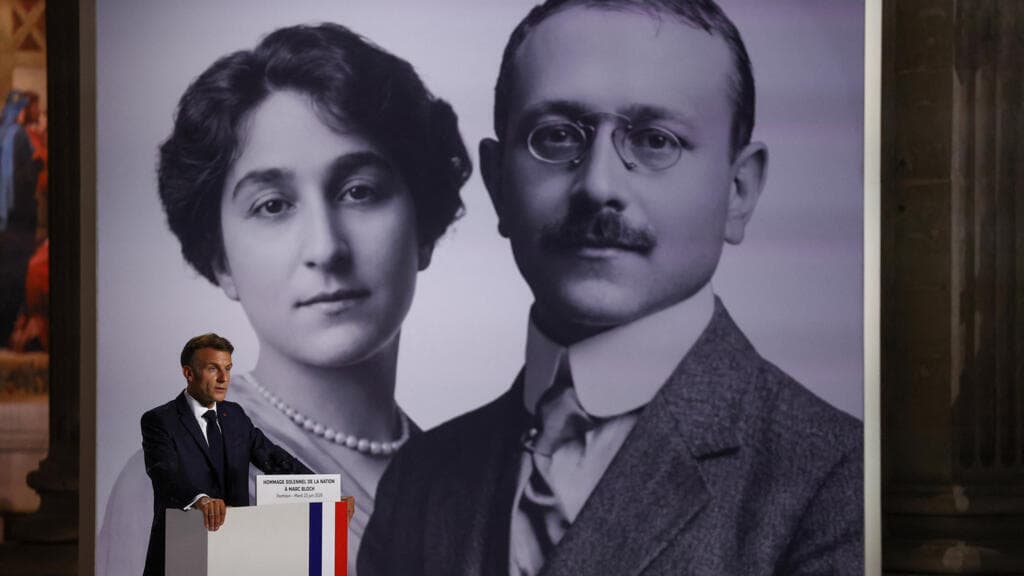
Marc Bloch entered the Panthéon on Tuesday as France elevated a historian, soldier and Resistance fighter into the small republic of figures meant to embody the nation at its most demanding moments. The ceremony, led by President Emmanuel Macron, marked the first time a historian has been admitted to the mausoleum, placing Bloch beside names such as Voltaire and Jean-Jacques Rousseau.
The state chose to honor Bloch with his wife, Simonne Vidal, 82 years after their deaths. France’s Culture Ministry said the tribute recognized his “work, teaching and courage,” a formulation that captured the breadth of a life that moved from medieval scholarship to wartime sacrifice. Bloch was one of the founders of the Annales school of historical study and taught as a professor of medieval history, but his public memory in France has always rested as much on action as on intellect.
That dual legacy was central to the symbolism of the day. Bloch fought for France in the First World War, served again in the Second World War, then joined the Resistance after the German occupation. In 1915, he wrote a will expressing both his readiness for sacrifice and his devotion to France. During the Second World War, he understood that opposing the occupiers could cost him his life; in a letter cited by France 24, he said he would die as he had lived, as “a good Frenchman.” He was later executed at Saint-Didier-de-Formans alongside other Resistance fighters.
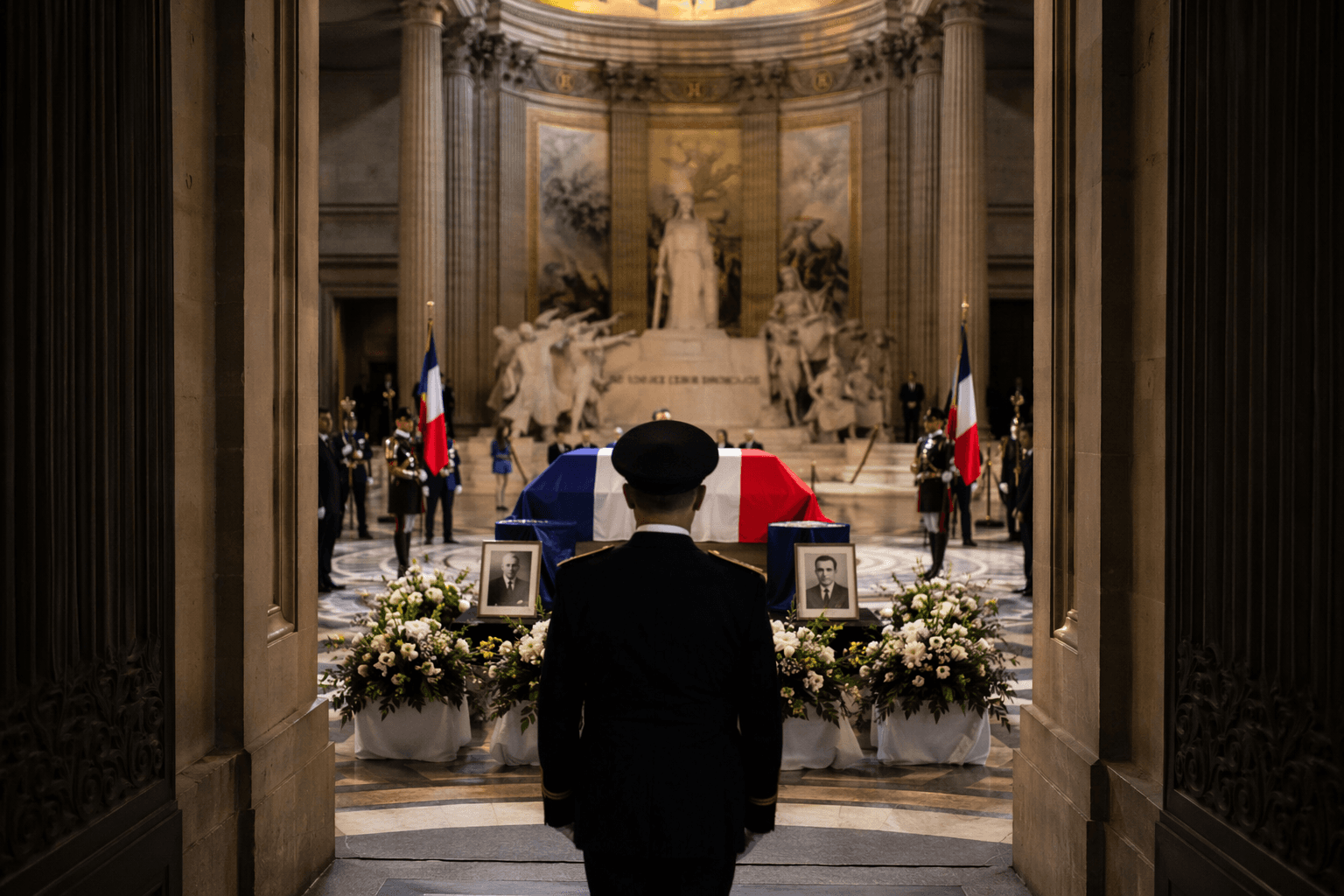
The official ceremony began at 9 p.m., with the public invited from 6:30 p.m. on Rue Soufflot in Paris’s 5th arrondissement. France 2 and France.tv were set to broadcast the tribute live, and the Panthéon was scheduled to reopen to visitors on June 25. Bloch’s remains were not transferred to Paris; his ashes remained in the family vault in Le Bourg-d’Hem, Creuse.
The date was fixed only after an earlier June 16 plan was pushed back because the G7 summit was scheduled for June 15-17 in Évian-les-Bains. Macron had announced the panthéonisation in November 2025 during commemorations for the 80th anniversary of Strasbourg’s liberation. The timing sharpened the political meaning of the choice: Bloch was a Jewish scholar who joined the anti-Nazi Resistance, and his family asked that “the far right, in all its forms” be excluded from the ceremony. His granddaughter, Suzette Bloch, called the honor “a tremendous recognition.”
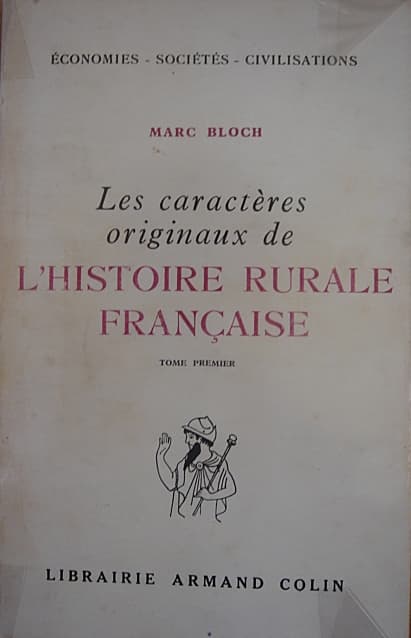
The tribute also arrived with a material reminder of Nazi theft and postwar restitution. In late May, Germany returned seven books stolen from Bloch during the Nazi era at the French embassy in Berlin, adding another layer of memory to a month that placed Bloch’s life, loss and resistance at the center of the French national story.
This article was produced by Prism’s automated news system from verified source data, official records, and press releases, then run through automated quality and moderation checks before publishing. The system is built and supervised by the people who set the standards it runs under. Read our full AI policy.
Know something we missed? Have a correction or additional information?
Submit a Tip