U.S. eases Iran oil sanctions in 60-day waiver deal
Treasury opened a 60-day window for Iranian oil sales, a sharp break that could move crude into global and U.S. markets through Aug. 21.
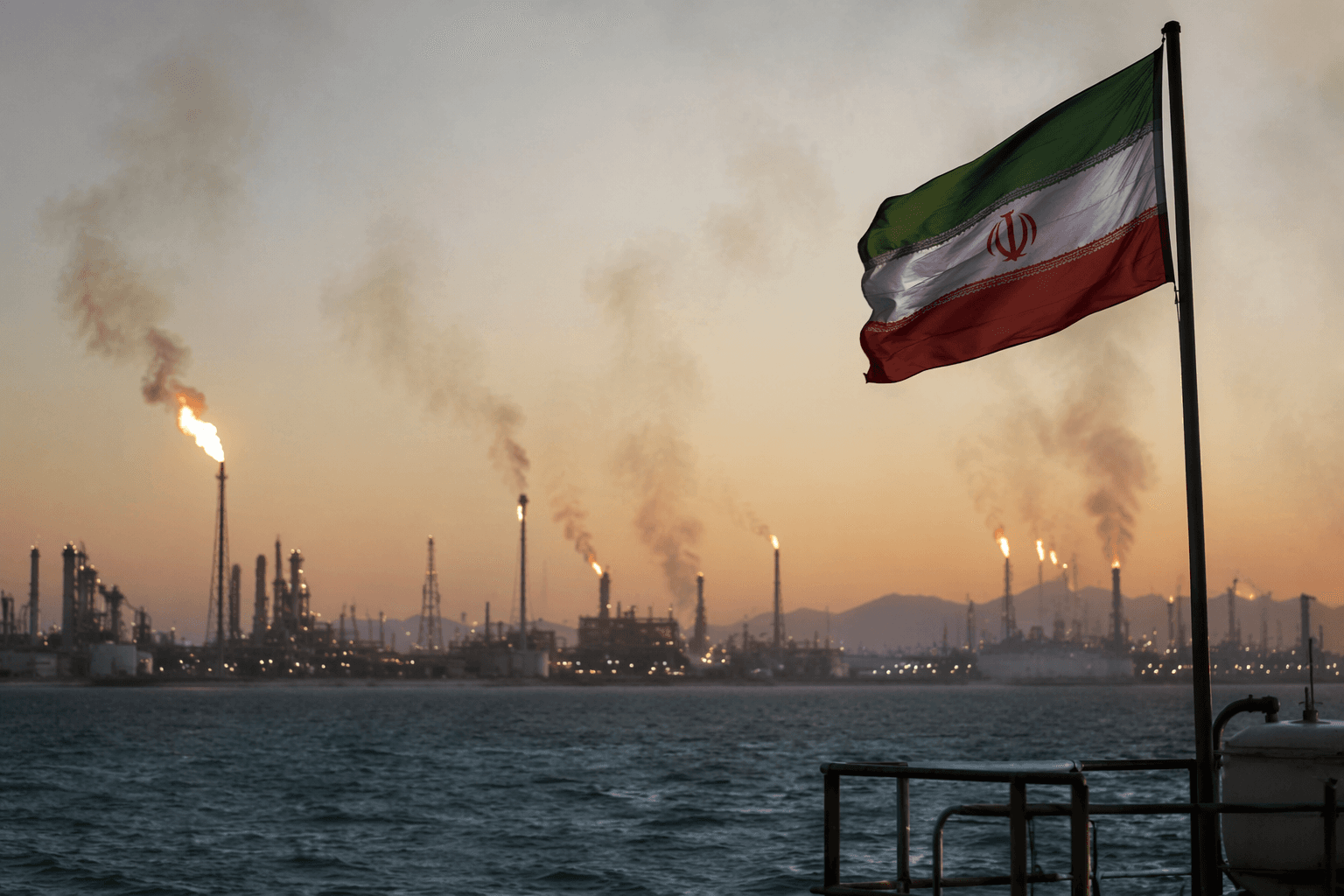
The Treasury Department opened a 60-day window on Monday that authorizes the production, delivery and sale of Iranian oil, petrochemical products and petroleum products, a sharp break from a sanctions regime Washington has enforced for decades. The license expires on Aug. 21 unless renewed, and it also allows the import of Iranian oil and refined products into the United States.
Treasury Secretary Scott Bessent said the move was part of a framework tied to productive talks between Tehran and Washington in Switzerland. The authorization was linked to Iranian commitments on nuclear inspections and free transit through the Strait of Hormuz, the narrow waterway that carries a major share of the world’s seaborne oil trade.
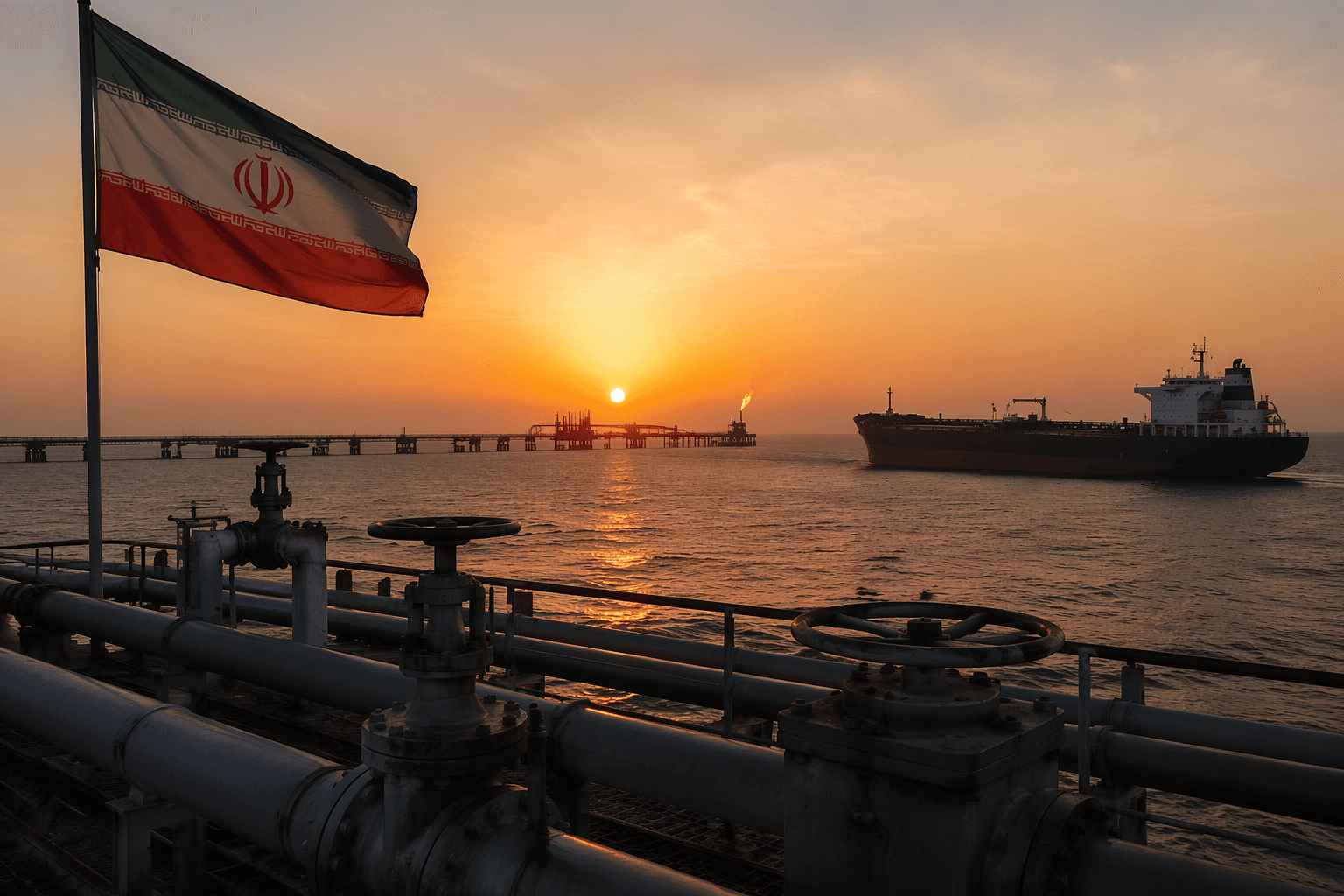
The license is the first open permission for Iran to sell oil on the global market since 2018. It marks a major reversal from Nov. 5, 2018, when the United States fully re-imposed sanctions after the Trump administration left the Obama-era nuclear deal known as the JCPOA. Treasury said then that the penalties targeted Iran’s energy, shipping, shipbuilding and financial sectors.
The sanctions story stretches back to 1979, when the United States began imposing restrictions on activities with Iran after the seizure of the U.S. Embassy in Tehran. The current waiver does not erase that history, but it does carve out a broad legal channel for transactions that had been blocked for years.
Even under pressure, Iran kept moving oil. A 2025 Stimson Center analysis said Tehran supplied more than 268.5 million barrels between January 2023 and March 2025, mostly to China, Malaysia and Singapore. The same analysis said China remained Iran’s biggest customer, importing more than 1.5 million barrels per day in some periods.
The new license could still be a windfall. One analyst estimated the 60-day waiver could generate more than $3 billion for Iran, underscoring how quickly even a temporary easing can affect state revenue and regional leverage.
The broader policy backdrop points to a Washington still focused on Iran’s oil network even as it softens enforcement. The Office of Foreign Assets Control posted updated guidance in 2025 and 2026 on shipping, maritime sanctions evasion, oil smuggling and risks tied to the Strait of Hormuz, signaling that the system built to choke off Iranian energy exports remains a live enforcement target even as this waiver opens it up.
This article was produced by Prism’s automated news system from verified source data, official records, and press releases, then run through automated quality and moderation checks before publishing. The system is built and supervised by the people who set the standards it runs under. Read our full AI policy.
Know something we missed? Have a correction or additional information?
Submit a Tip