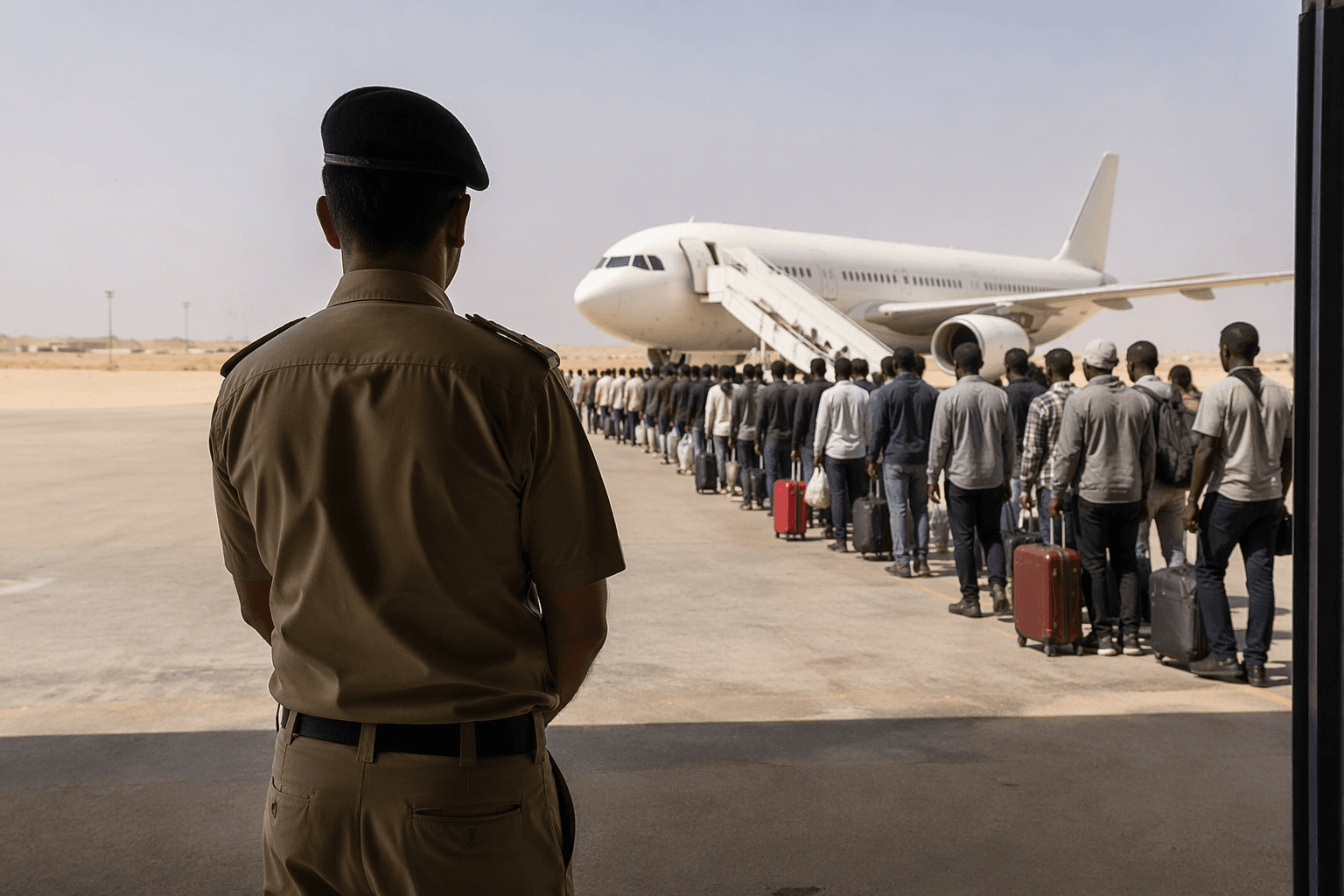
Strait of Hormuz traffic normalizes as Iran-US talks advance
Oil and LNG traffic is inching back through Hormuz as U.S.-Iran talks ease panic, but insurers and shippers still need weeks to trust the route again.
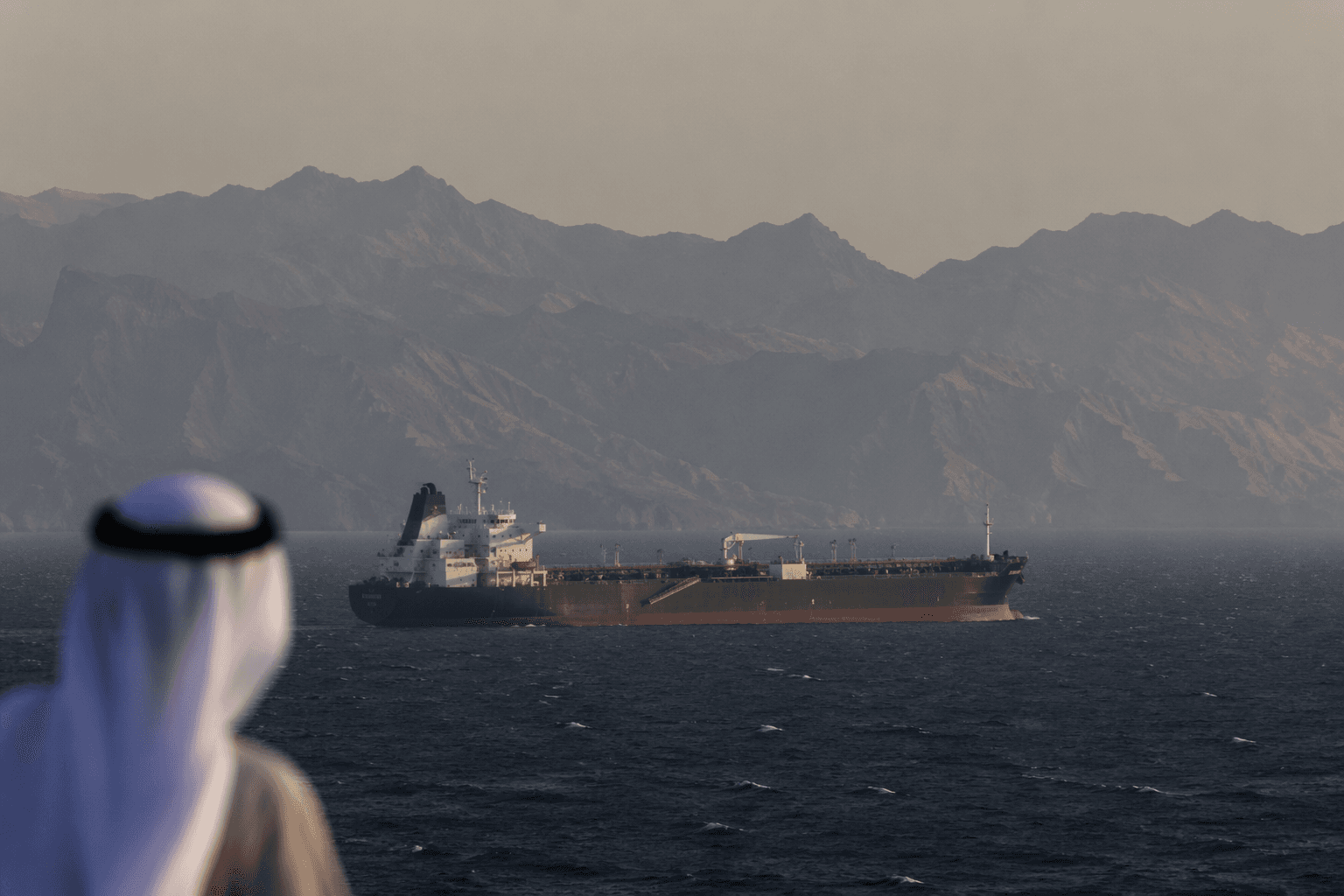
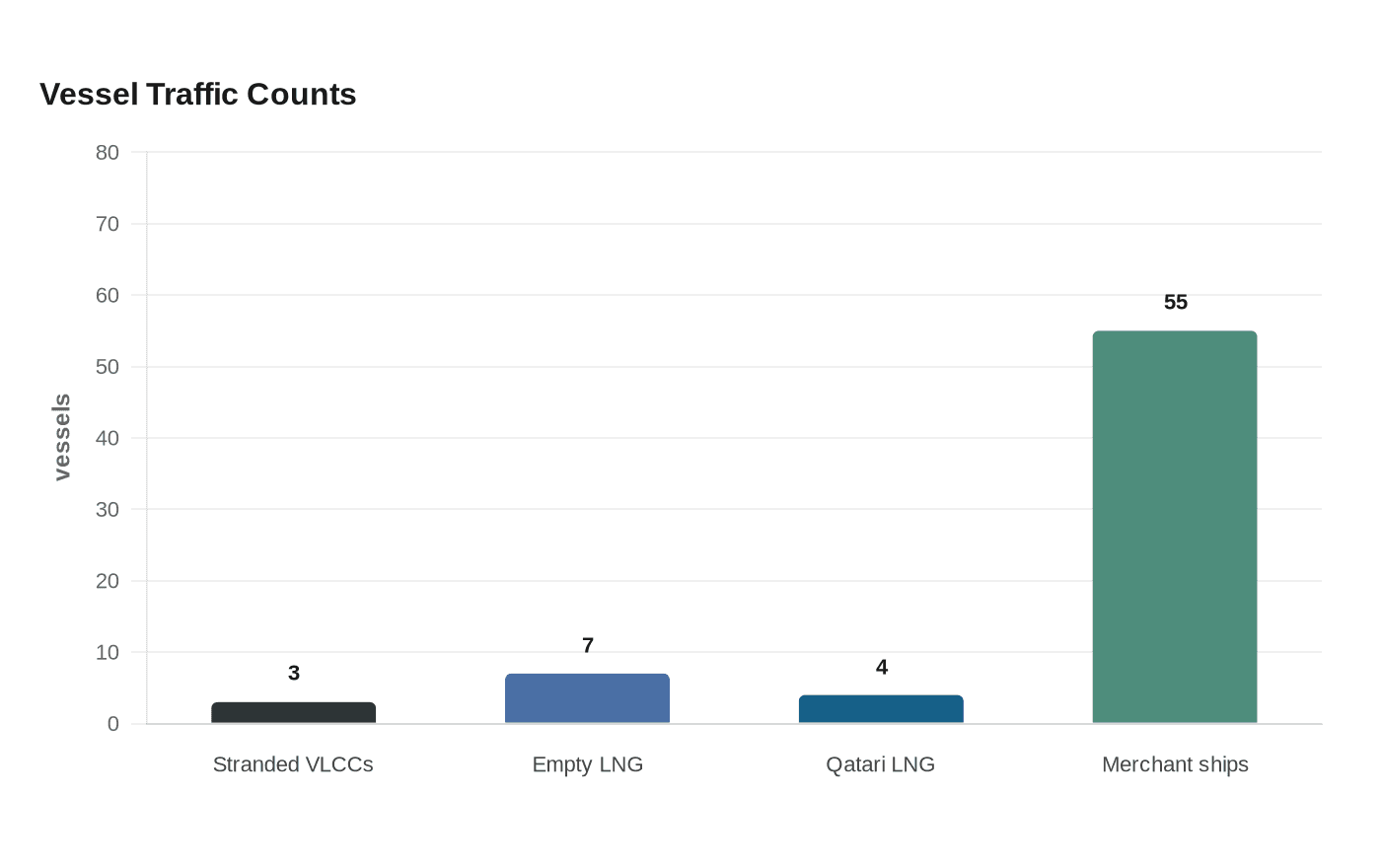
Three stranded supertankers moved through the Strait of Hormuz as ship-tracking data showed traffic beginning to normalize after weeks of disruption. Seven empty Qatar-linked LNG tankers had entered the waterway in recent weeks, while Iranian-linked vessels continued to use the chokepoint, a pattern showing the immediate supply threat is easing even as the security risk remains fragile.
The pickup came as the first round of U.S.-Iran talks ran from Sunday, June 21, to Monday, June 22, and produced a roadmap toward a permanent deal within 60 days. U.S. officials and mediators said the discussions were making progress, and Vice President JD Vance said there had been “a lot of good progress.” Negotiators also formed oversight, sanctions and nuclear working groups, and Washington announced a sanctions waiver through August 21, 2026, a move that helped calm oil and LNG markets.
The logistics at sea underscored how quickly cargoes can start moving again when the diplomatic tone shifts. Two Trafigura-operated Very Large Crude Carriers, Dubai Energy and Legio X Equestris, each carrying 2 million barrels of crude, exited the strait, and another VLCC, Universal Glory, chartered by South Korean refiner GS Caltex, left with 2 million barrels of Saudi crude. Sanctioned tankers were also increasingly using the strait to load and export Iranian oil after the waiver, extending the flow of commercial traffic through one of the world’s most closely watched energy corridors.

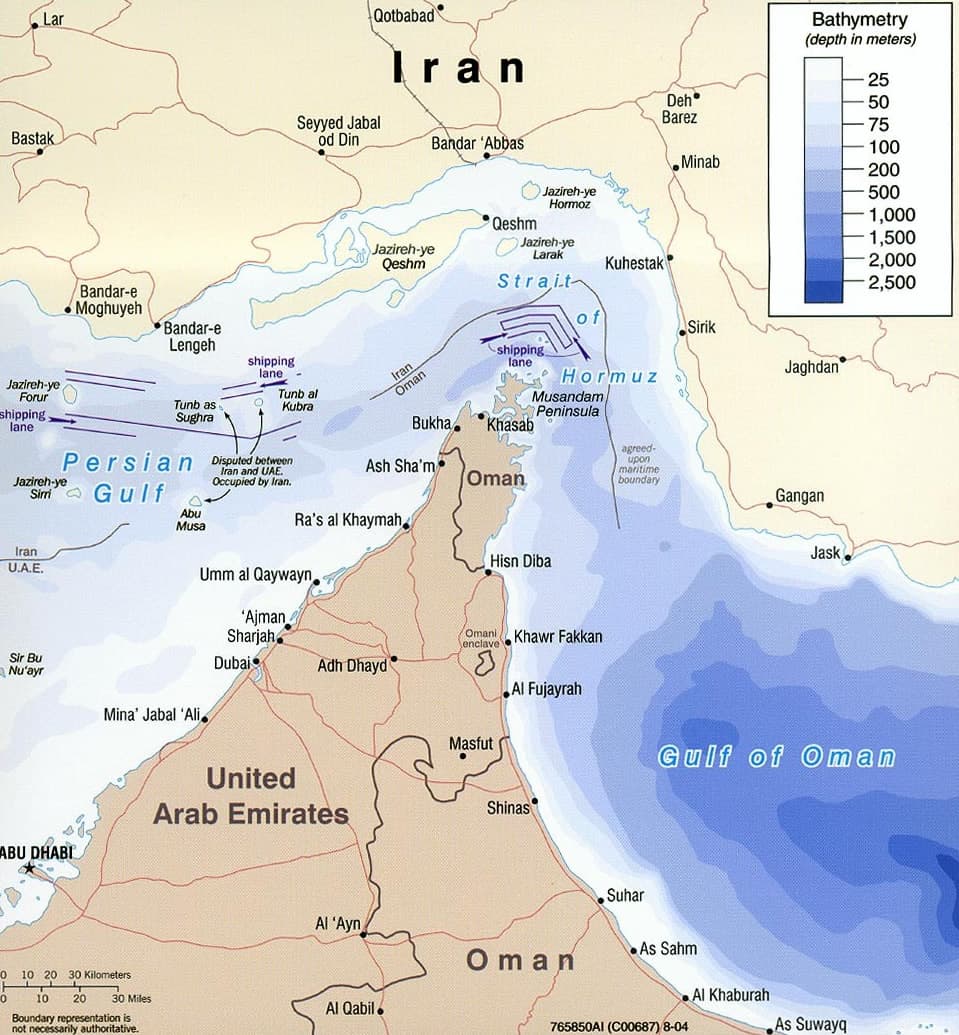
The narrowness of the route helps explain why the market reacts so sharply. Hormuz is only 21 nautical miles wide at its narrowest point, and U.S. Central Command said 55 merchant ships transited the strait on June 22 carrying more than 17 million barrels of oil for global markets. Four Qatar-controlled LNG tankers, Wadi Al Sail, Mekaines, Al Sadd and Mesaimeer, were also heading into the strait on Monday via the Iranian route for the first time since the U.S. escalation, a sign that gas flows are reopening but remain exposed to any fresh security shock.
Even with the traffic rebound, confidence has not fully returned. Shipowners had been cautious, and shippers expected it would take weeks to rebuild trust in resuming transit.
This article was produced by Prism’s automated news system from verified source data, official records, and press releases, then run through automated quality and moderation checks before publishing. The system is built and supervised by the people who set the standards it runs under. Read our full AI policy.
Know something we missed? Have a correction or additional information?
Submit a Tip