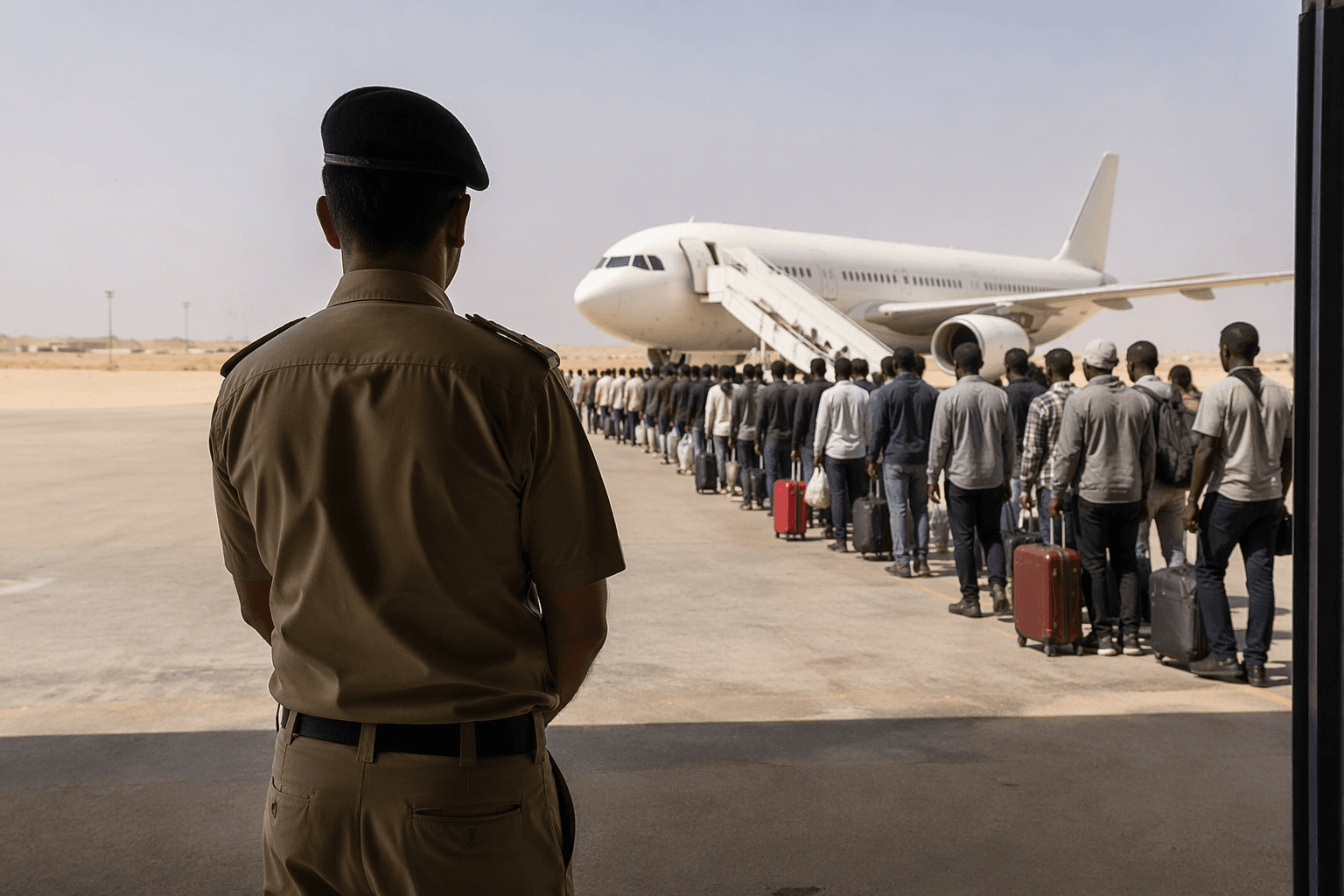
Rubio visits Gulf to build support for Iran deal framework
Rubio landed in the Gulf to sell a U.S.-Iran framework, but Washington and Tehran are already disputing whether nuclear inspections were part of the bargain.
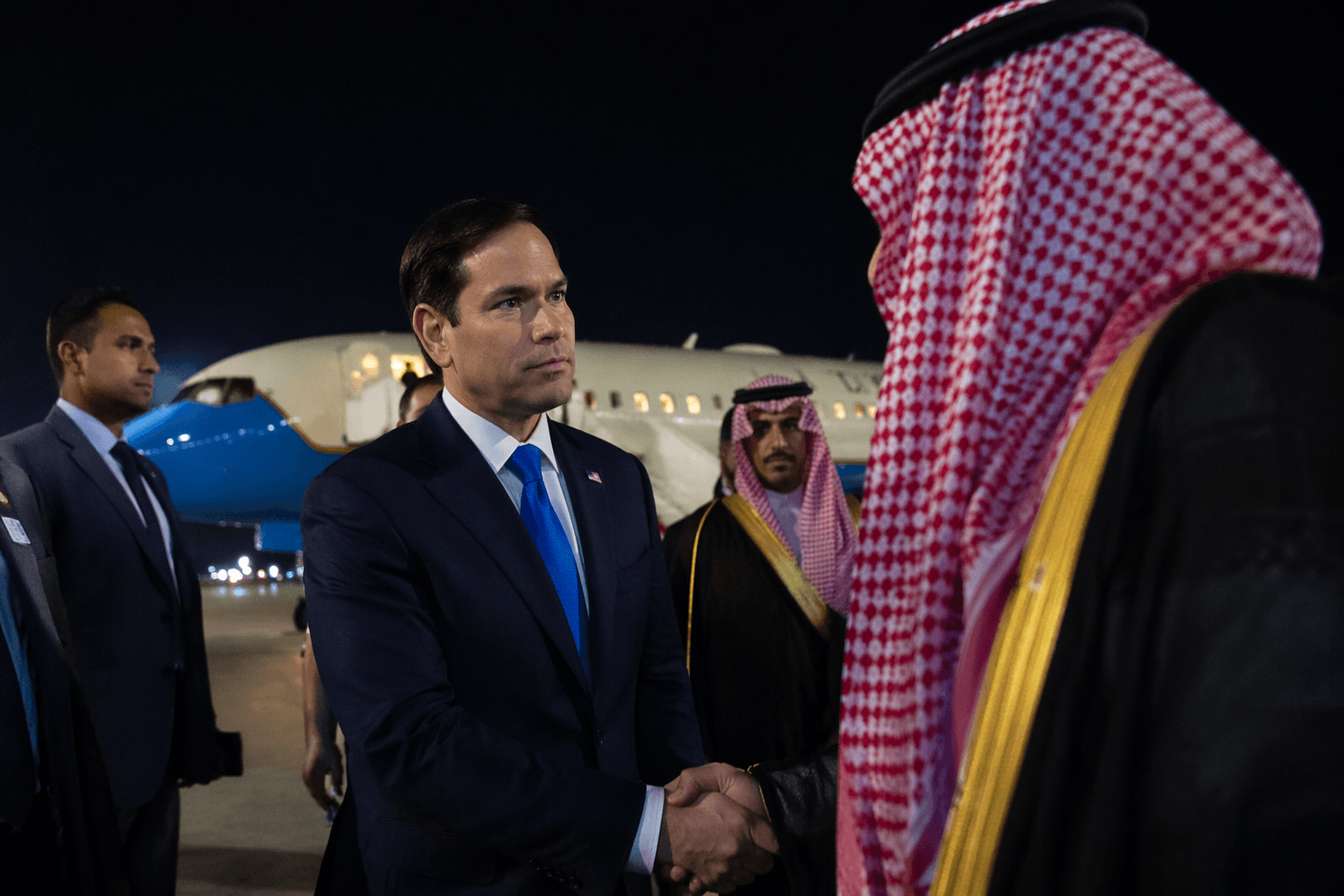
Marco Rubio arrived in the Middle East on Tuesday to press Gulf governments to back a U.S.-Iran memorandum that would reopen the Strait of Hormuz immediately and start broader negotiations. The outreach came only days after the United States and Iran signed the framework at the Palace of Versailles in France on June 17, and Washington and Tehran were already telling sharply different stories about what it meant.
Rubio’s June 23-25 trip took him to the United Arab Emirates, Kuwait and Bahrain, where he was scheduled to meet with the Gulf Cooperation Council in Bahrain, the State Department said in a June 22 press statement by Tommy Pigott. Gulf officials were wary that too much relief for Tehran could strengthen Iran and shift the regional security balance.
The most damaging split is over nuclear terms. U.S. officials said Iran agreed to allow international inspections and broader technical talks. Iranian officials said nuclear issues would be handled later in the process.
The International Atomic Energy Agency said its inspectors remained in Iran throughout the conflict and were ready to return to nuclear sites, including to verify inventories of more than 400 kilograms of uranium enriched to 60 percent. If the U.S. version of the deal stands, those inspections could move quickly and give Washington a basis to argue for easing pressure on Tehran. If Iran’s version prevails, inspections are deferred, sanctions relief becomes far more uncertain, and the framework risks unraveling before the next round of talks can harden into anything durable.
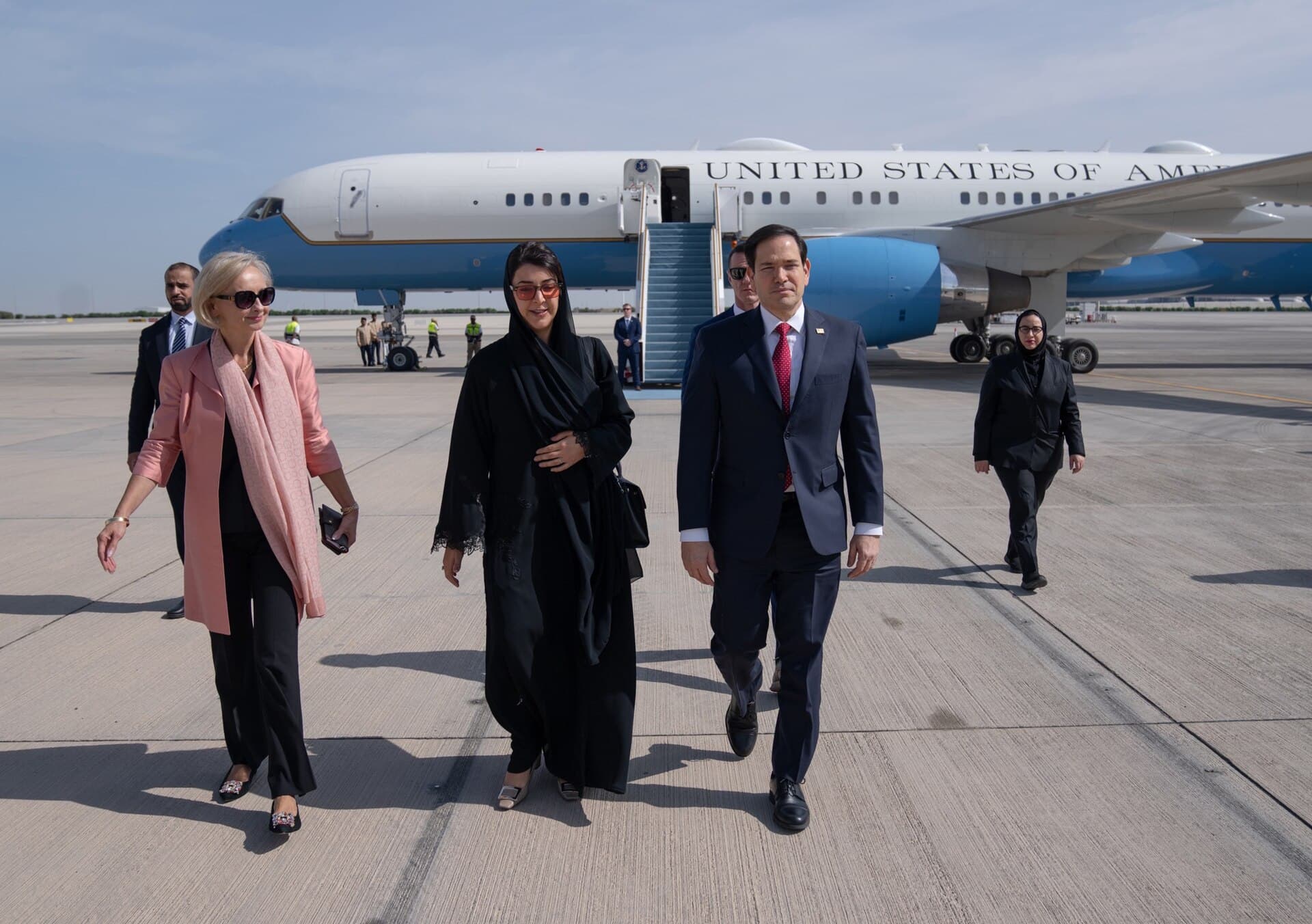
At President Donald Trump’s direction, the United States and Gulf partners helped draft a United Nations Security Council resolution defending freedom of navigation in the Strait of Hormuz. Rubio now has to reassure Arab allies that the new arrangement will not undercut that posture.
This article was produced by Prism’s automated news system from verified source data, official records, and press releases, then run through automated quality and moderation checks before publishing. The system is built and supervised by the people who set the standards it runs under. Read our full AI policy.
Know something we missed? Have a correction or additional information?
Submit a Tip