Trump pressures Iran with disputed nuclear deal claims as talks continue
Trump said Iran accepted nuclear inspections long into the future, but Tehran denied it as talks over the Strait of Hormuz and sanctions relief moved into a 60-day phase.
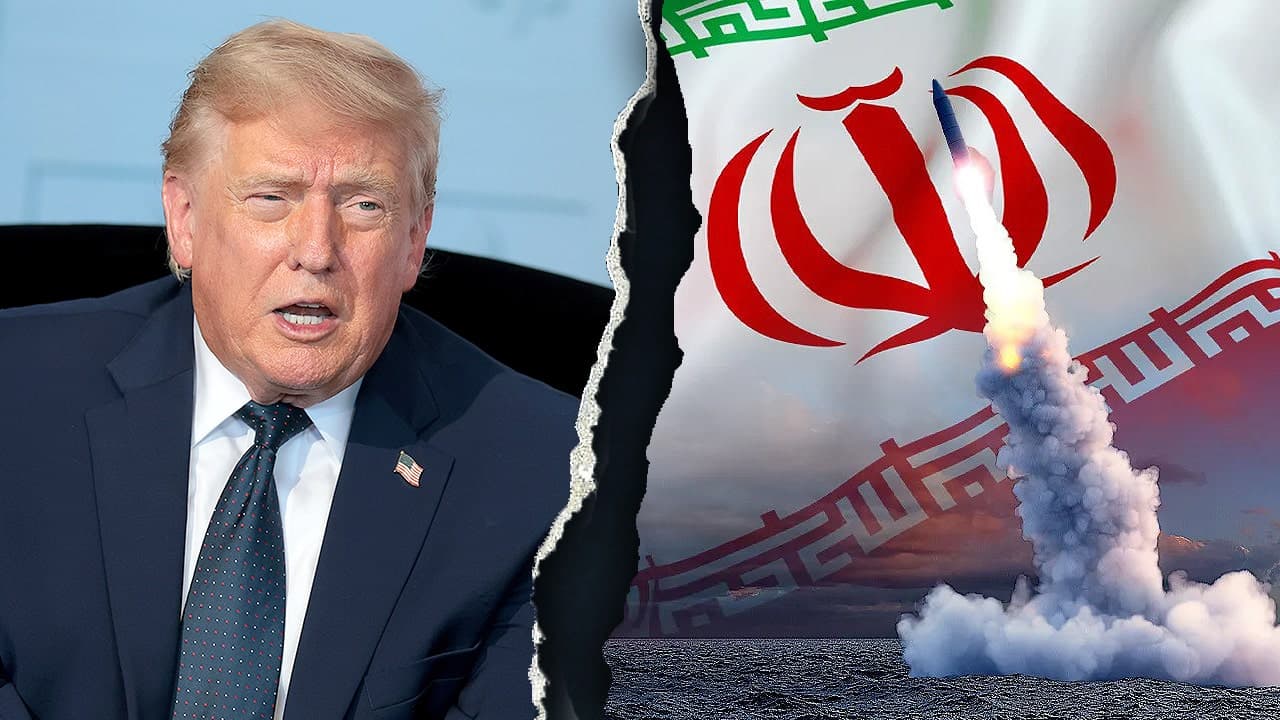
Donald Trump said Iran had agreed to nuclear inspections “long into the future,” while Iran’s foreign ministry said it had made no such concession, deepening a public split over a fragile interim nuclear framework that is still being negotiated. The clash has put the credibility of the talks themselves in question as both sides press competing versions of what has already been agreed.
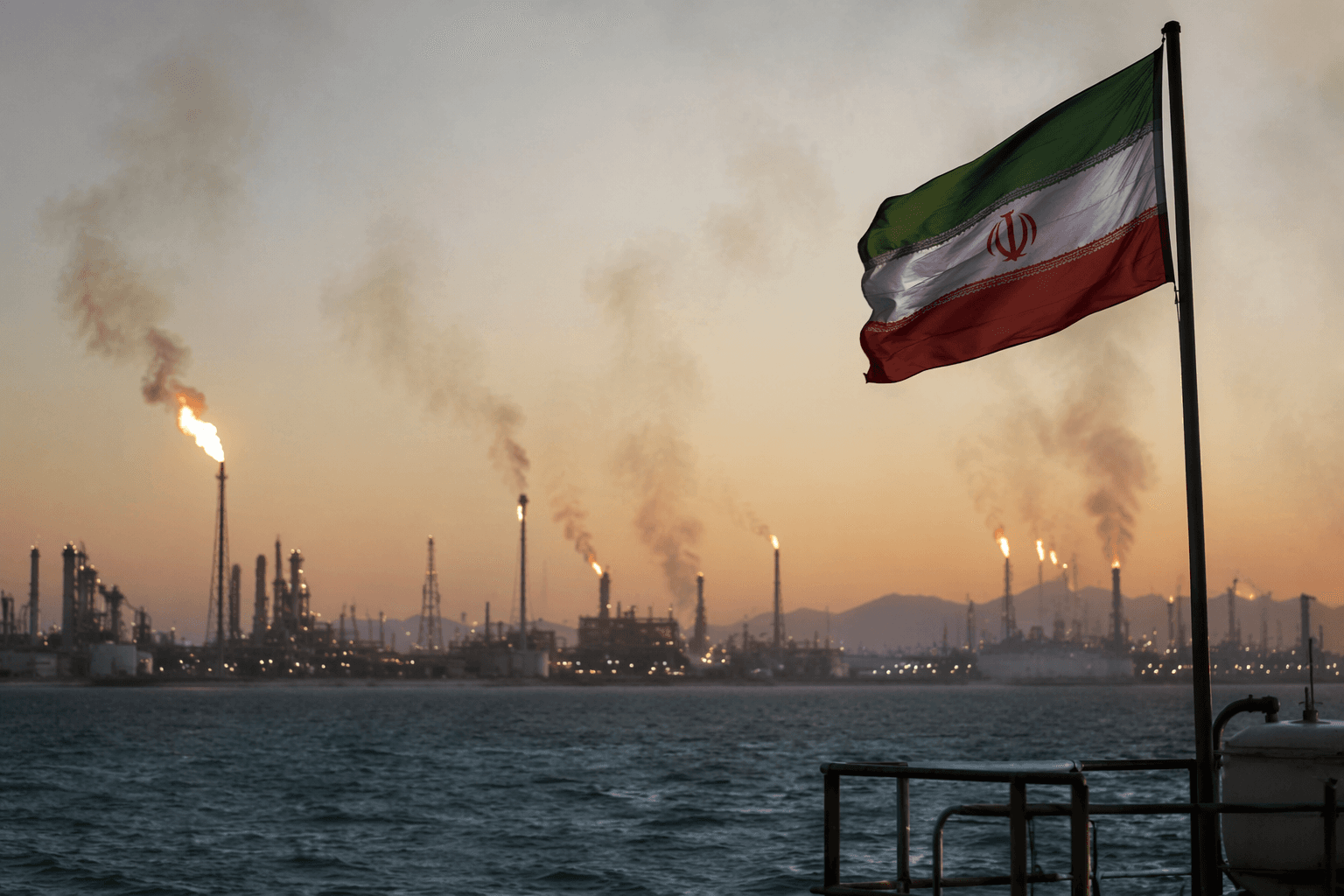
The dispute comes after a senior Iranian official said a draft memorandum of understanding covered Tehran’s nuclear work, reopening the Strait of Hormuz and U.S. waivers on oil sanctions, with the hardest issues pushed into 60 days of follow-on talks. The arrangement left the most difficult question unresolved: how to wind down Iran’s nuclear program while keeping the process alive long enough to produce a final deal.
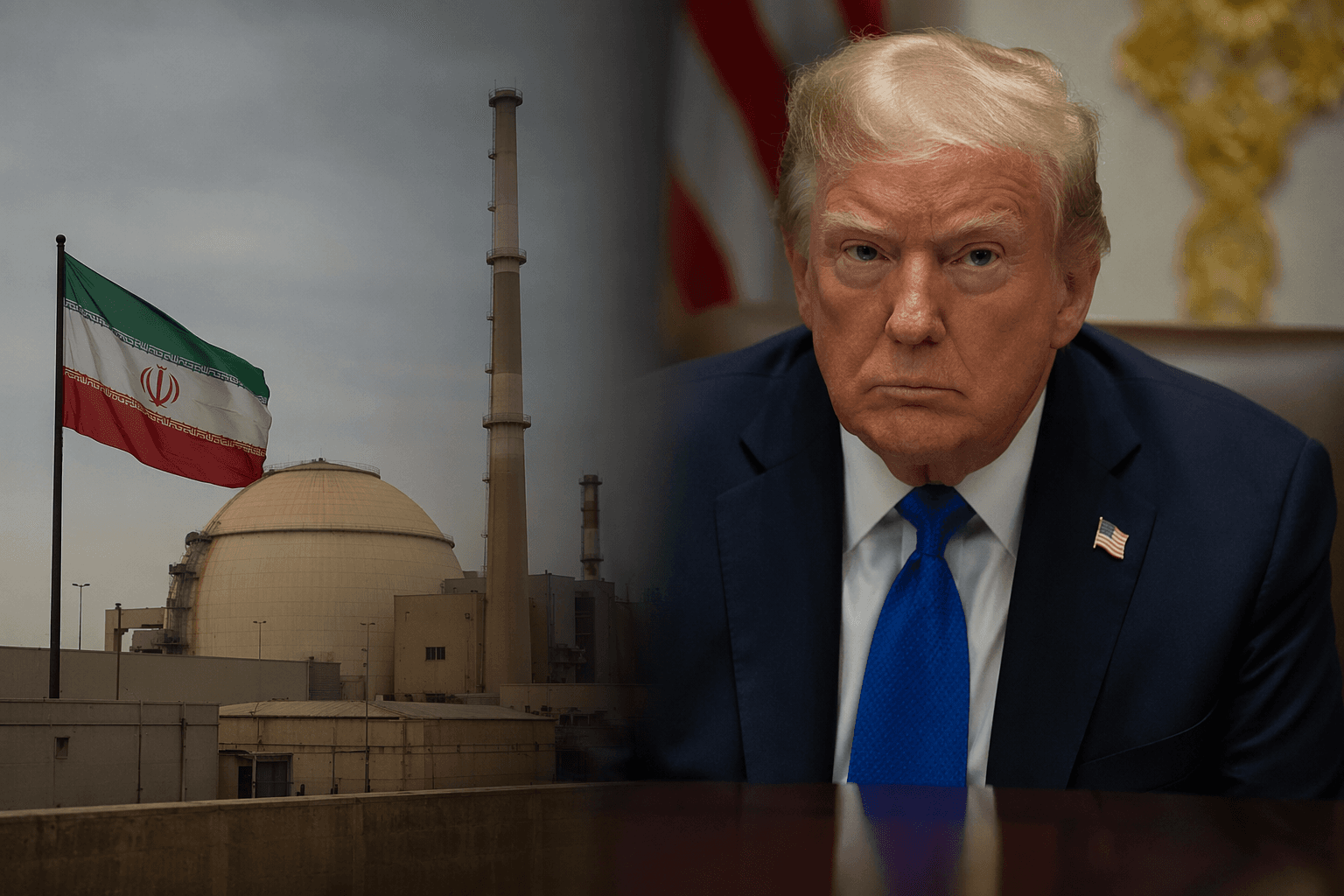
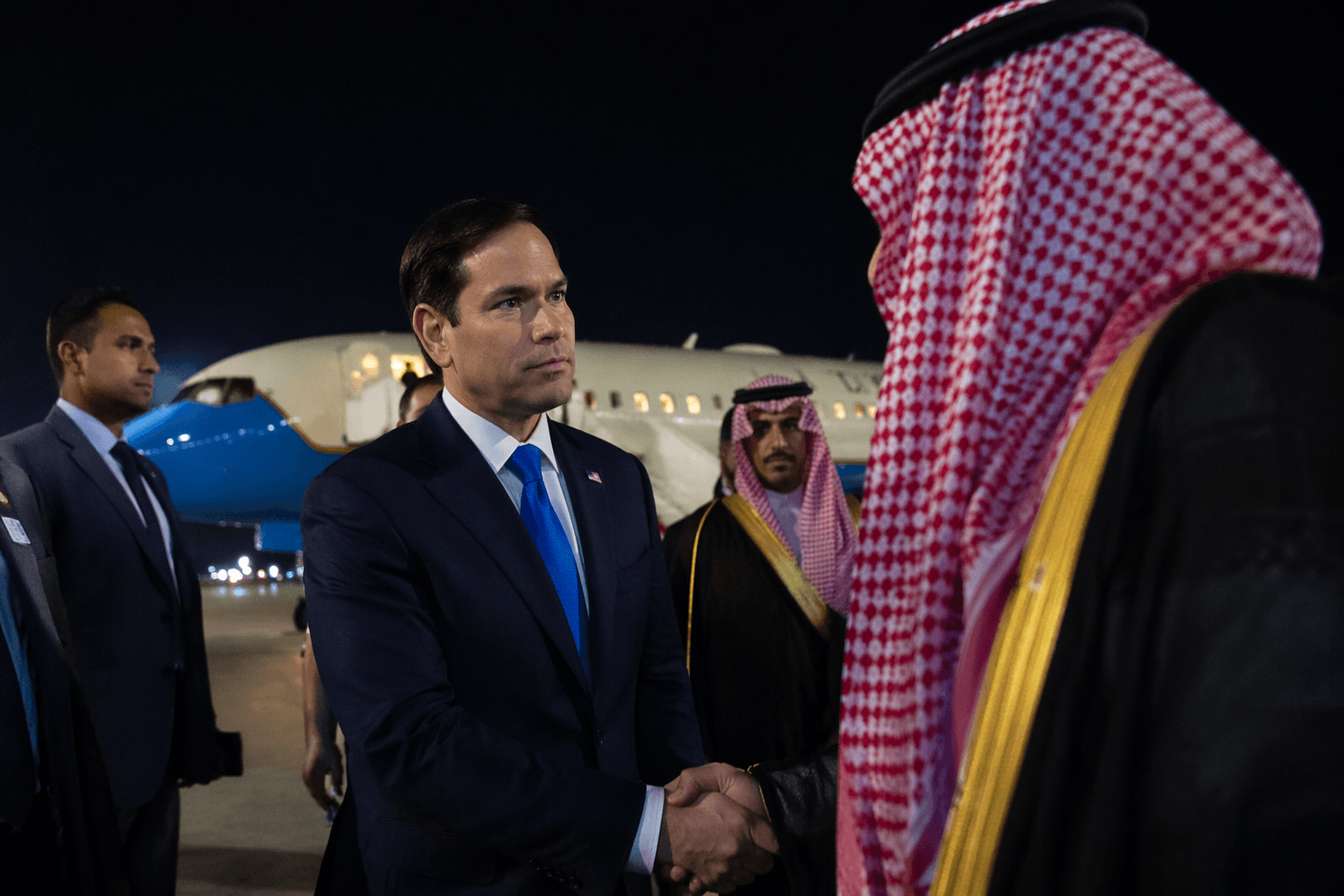
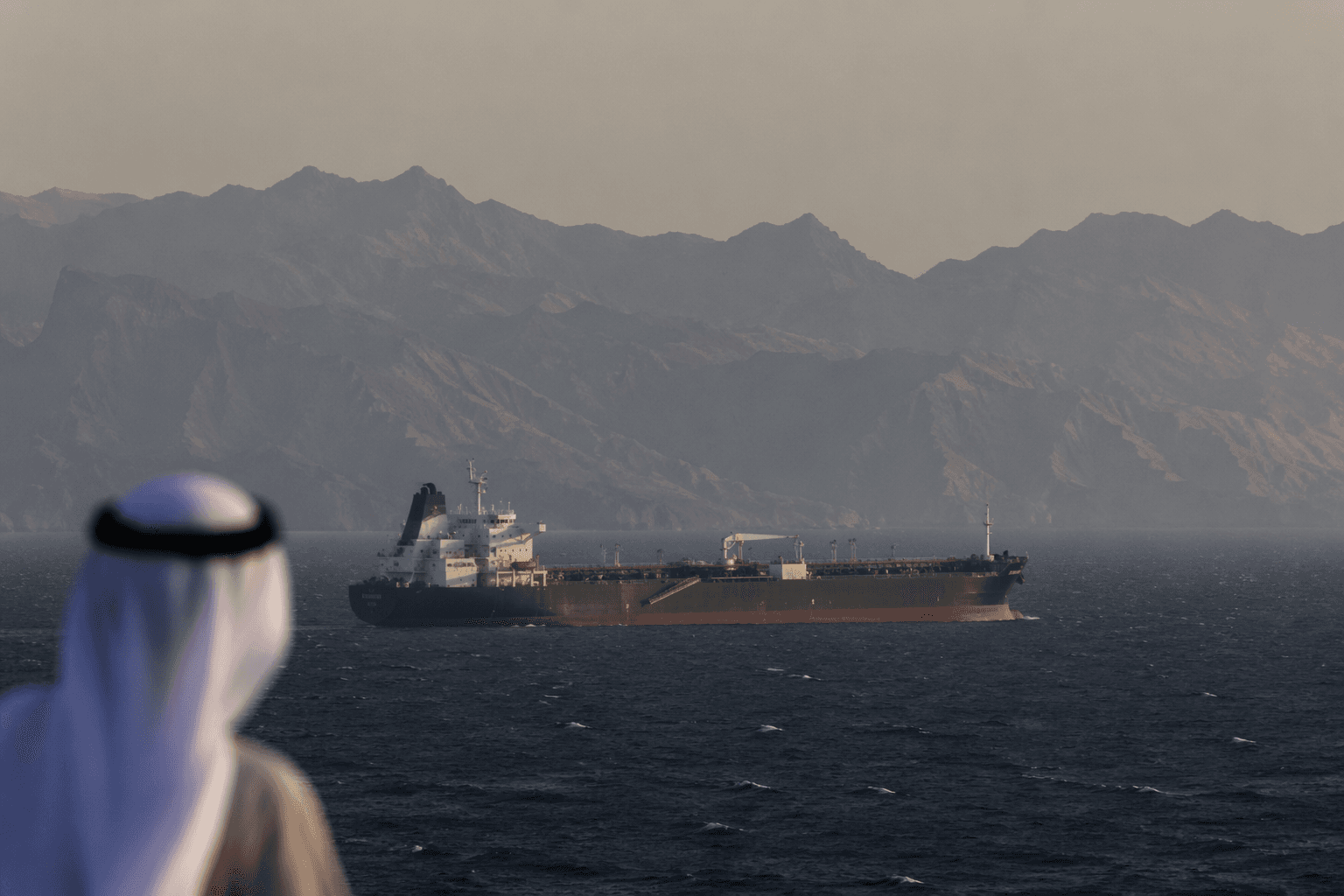
The first high-level talks under that framework were held in Switzerland on June 21, when JD Vance met Iranian officials in the presence of Qatari mediators. The mediation was described as positive, but the talks took place against the backdrop of renewed fighting and Iran’s insistence on its position over the Strait of Hormuz, the critical waterway through which a major share of global energy flows.
By June 23, the public messaging had split sharply. Trump said Iran had accepted inspections into the future and warned that war could resume if Tehran did not comply. The Iranian foreign ministry pushed back, saying there were no plans for International Atomic Energy Agency inspectors to return to bombed nuclear sites. Vance, meanwhile, said the talks had laid a good foundation for a final peace deal and that Iran was honoring the agreement so far.
The disagreement reflects a deeper pattern in U.S.-Iran diplomacy, where each side is trying to lock in its own account before the next round of bargaining. That matters because the interim deal carries stakes well beyond the nuclear file: sanctions relief, access to frozen assets, and the security of global shipping through the Strait of Hormuz are all on the line, and the sequence of concessions could determine whether the talks survive long enough to reach a final agreement.
This article was produced by Prism’s automated news system from verified source data, official records, and press releases, then run through automated quality and moderation checks before publishing. The system is built and supervised by the people who set the standards it runs under. Read our full AI policy.
Know something we missed? Have a correction or additional information?
Submit a Tip