Rubio warns Iran against charging ships, UN to evacuate stranded seafarers
Rubio warned Iran not to charge ships in Hormuz as the UN prepared to evacuate more than 11,000 stranded seafarers from the Gulf. The move came as traffic began to resume through a chokepoint that drives global oil and gas flows.
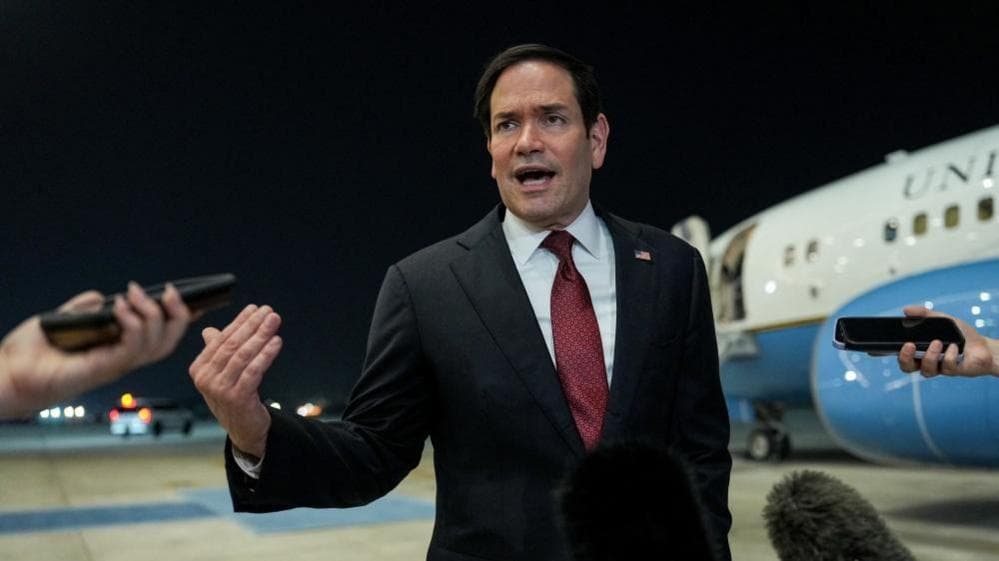
Marco Rubio warned Iran that no country can charge ships to pass through the Strait of Hormuz just as the United Nations maritime agency moved to evacuate more than 11,000 seafarers stranded in the Gulf and surrounding waters. The twin developments underscored how a single narrow waterway can put crews at risk while rattling energy markets, insurance costs, and supply chains far beyond the Persian Gulf.
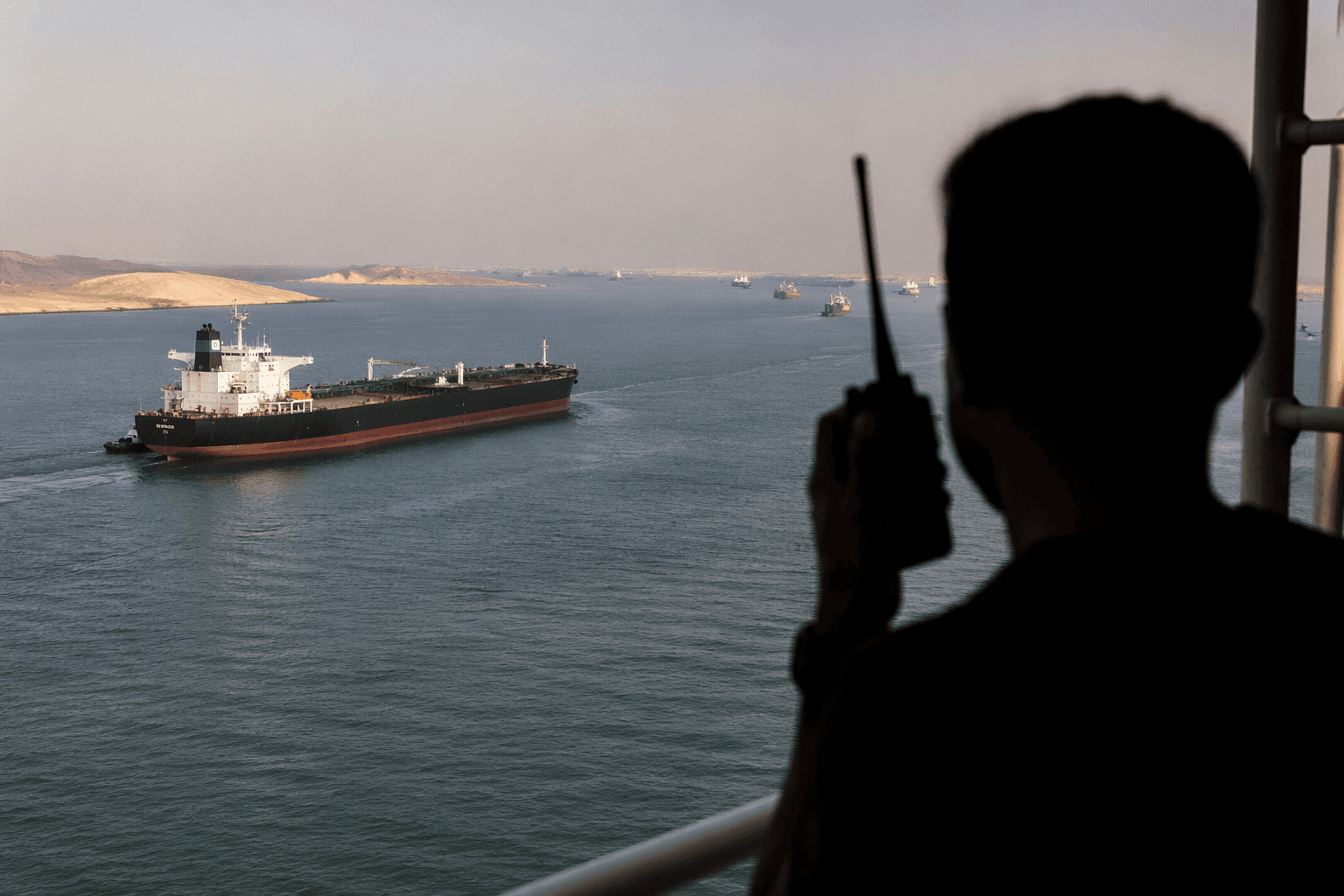
The United Nations International Maritime Organization said it would begin carrying out the evacuation plan in close cooperation with Iran, Oman, other coastal states in the region, the United States, and the maritime industry. The agency said it had secured safety guarantees and verified conditions for safe navigation, a sign that shipping was beginning to normalize after months of disruption. Recent reporting said some vessels, including Qatar-linked LNG tankers, had already started moving again.
Rubio delivered his warning after arriving in Abu Dhabi on the first stop of a Gulf tour that also includes Kuwait and Bahrain. He is expected to attend a Gulf Cooperation Council meeting and reassure regional allies, as Washington works to keep traffic flowing through one of the world’s most closely watched maritime chokepoints. Any threat to passage in Hormuz can ripple through oil and gas markets quickly, raising freight risk and adding pressure to fuel prices and industrial logistics.
The scale of what moves through the strait explains why the stakes are so high. The International Energy Agency said an average of 20 million barrels per day of crude oil and oil products passed through the Strait of Hormuz in 2025. The U.S. Energy Information Administration said flows through the strait in 2024 and the first quarter of 2025 accounted for more than one-quarter of global seaborne oil trade and about one-fifth of global oil and petroleum product consumption.
The EIA also said roughly one-fifth of global liquefied natural gas trade transits Hormuz, mainly from Qatar. At its narrowest point, the strait is only 29 nautical miles wide, with 2-mile-wide inbound and outbound shipping channels and a 2-mile buffer zone. The route has never been fully closed, but it was heavily disrupted during the 1980s Tanker War, when international naval forces helped shield commercial shipping. For crews waiting to move out of the region and for markets watching every tanker, the message was the same: passage through Hormuz is still a global economic lifeline.
This article was produced by Prism’s automated news system from verified source data, official records, and press releases, then run through automated quality and moderation checks before publishing. The system is built and supervised by the people who set the standards it runs under. Read our full AI policy.
Know something we missed? Have a correction or additional information?
Submit a Tip