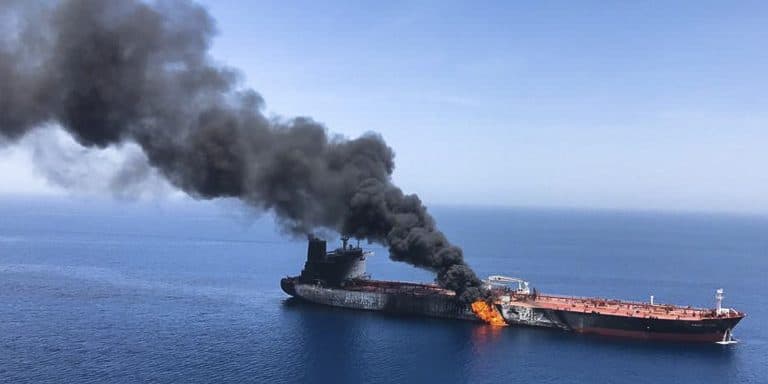
Russia weighs diesel export ban as fuel shortages hit Crimea
Russia is weighing a diesel export ban as refinery strikes deepen shortages in Crimea, where authorities have already cut transport hours and shut down summer activities.

Russia is weighing a diesel export ban as Ukrainian strikes on refineries push fuel shortages beyond the energy sector and into daily life in Crimea. In Sevastopol, officials have already cut public transport at 10 p.m. and ordered large shops and cafes to close at 8 p.m. as the peninsula struggles with supply disruptions.
Deputy Prime Minister Alexander Novak said the government was considering a complete ban on diesel exports, while fuel imports and subsidies to cap domestic prices were also under discussion. Industry sources said a tanker carrying gasoline was expected to arrive in June at one of Russia’s western ports, a rare step for a country that normally ships large volumes of petroleum products abroad.
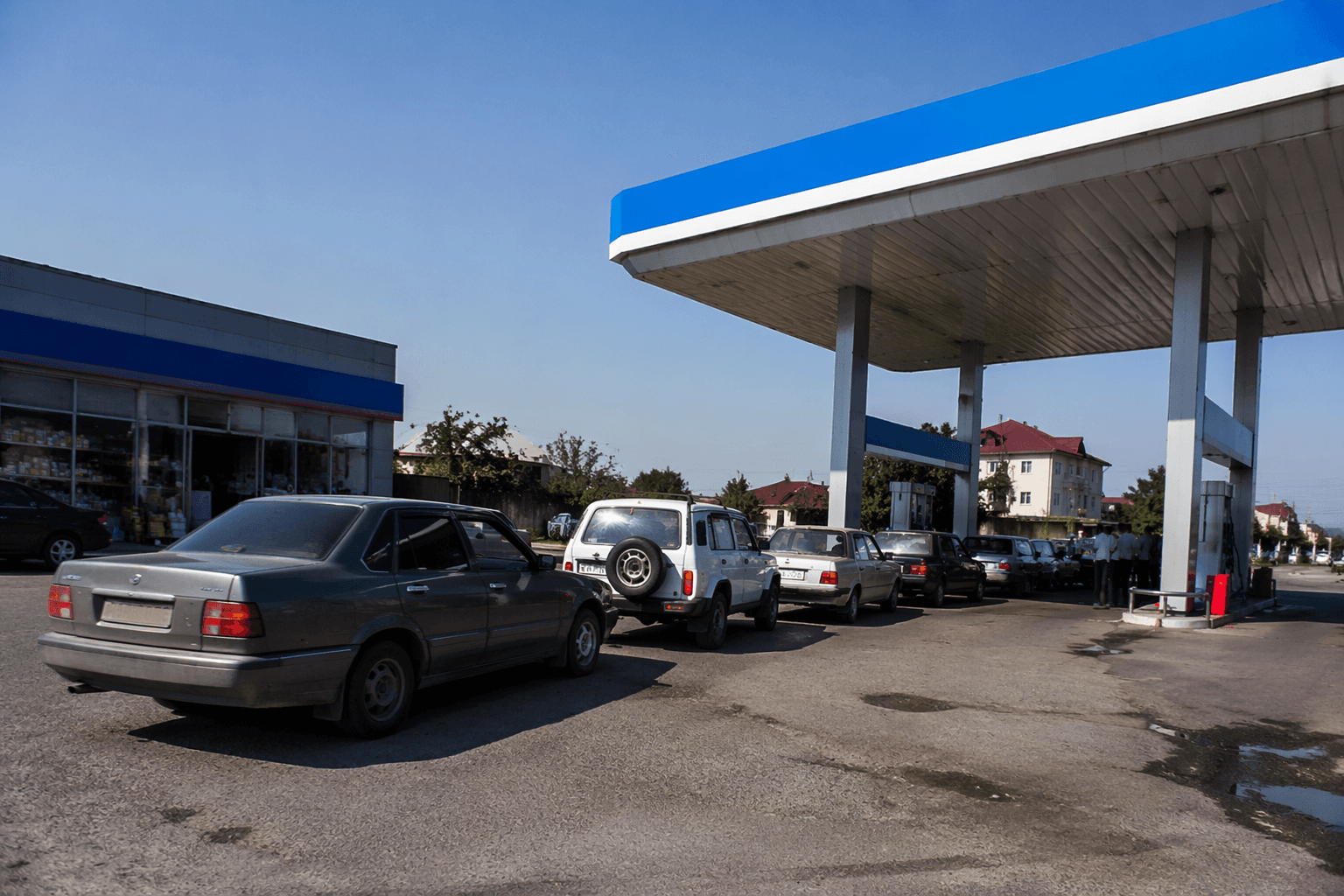
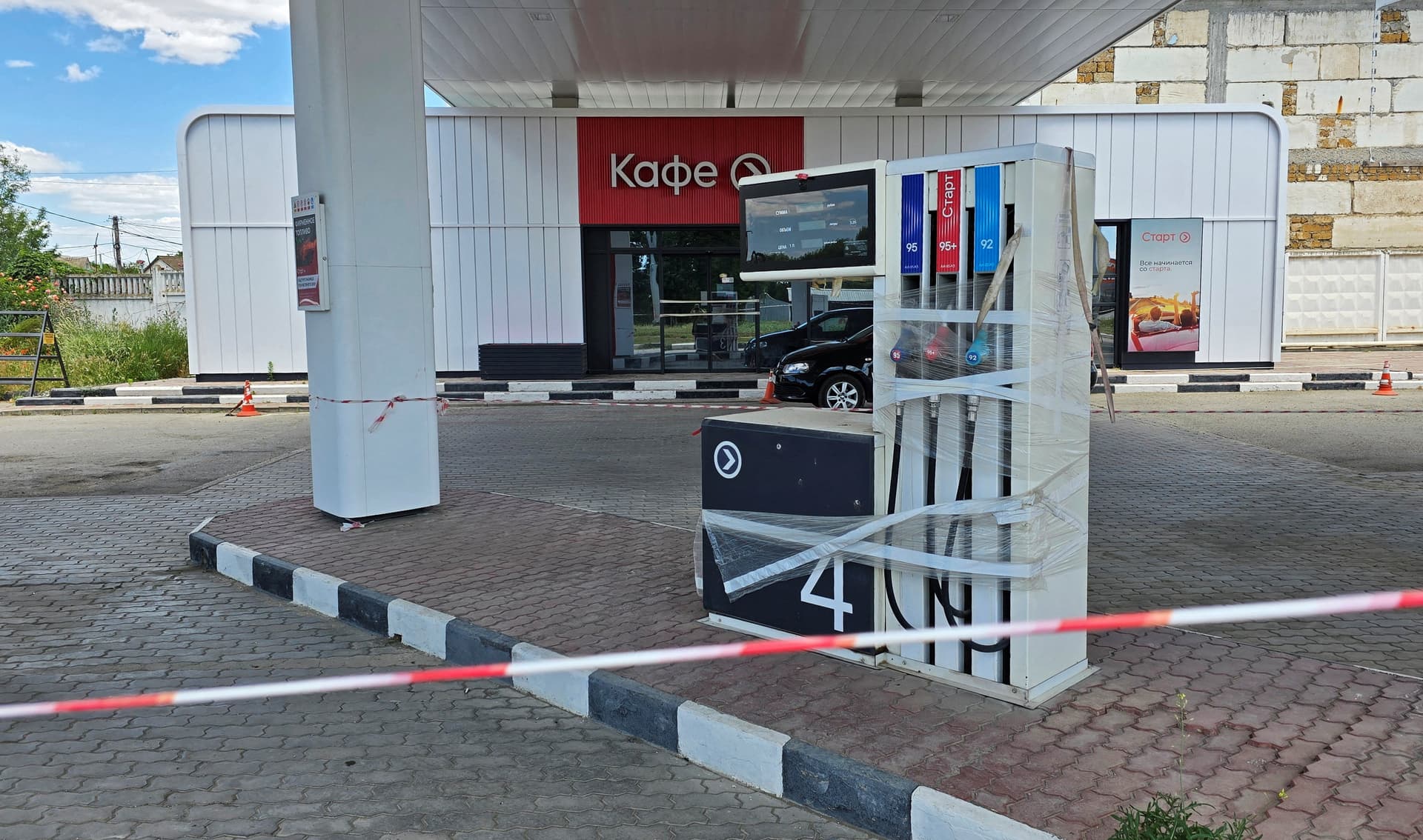
The pressure is most visible in Russian-controlled Crimea, where restrictions were tightened earlier this month after repeated shortages. On June 4, authorities suspended cash gasoline sales and stopped issuing new fuel coupons, and Reuters reported that children’s summer camps and tourist activities were suspended until September 1. Street lighting was dimmed in Sevastopol as local officials tried to stretch limited supplies.
The Kremlin has already moved to protect the domestic market by banning gasoline and jet fuel exports after attacks on refineries, with the jet fuel ban reported through November 30, 2026. Putin said the strikes on civilian infrastructure, including the Moscow Oil Refinery, were intended to destabilize society. Novak said companies had delayed maintenance at refineries to keep fuel flowing, even as the government drew on reserves and urged oil producers to send more supply to Russian consumers.
The wider market picture shows why the issue matters well beyond Crimea. Reuters-linked data put Russia’s seaborne diesel and gasoil exports at about 3.25 million metric tons in April, up 8% from March and close to year-earlier levels, though Primorsk, the country’s biggest diesel-export outlet, shipped about 1.4 million tonnes of ultra-low-sulphur diesel, down more than 17% from March. Turkey and Brazil remained among the main buyers.

The strain has intensified in recent weeks. Reuters-linked calculations suggested gasoline production fell about 25% year-on-year in the first 20 days of June after attacks hit major refineries, including the Moscow Oil Refinery and TANECO in Tatarstan. Separate market analysis said repeated strikes on the Rosneft-owned Tuapse refinery helped drive a 65% drop in oil-product export volumes between January and April 2026. If Moscow turns from exporter to importer, the shift would underline how refinery attacks are not just damaging assets but altering the balance between export earnings, domestic stability and fuel security.
This article was produced by Prism’s automated news system from verified source data, official records, and press releases, then run through automated quality and moderation checks before publishing. The system is built and supervised by the people who set the standards it runs under. Read our full AI policy.
Know something we missed? Have a correction or additional information?
Submit a Tip