Trump says Iran agreed to highest-level nuclear inspections amid talks clash
Trump said Iran accepted inspections into infinity, but Tehran denied any nuclear deal as Pakistan and Qatar said the Swiss talks only produced a roadmap.
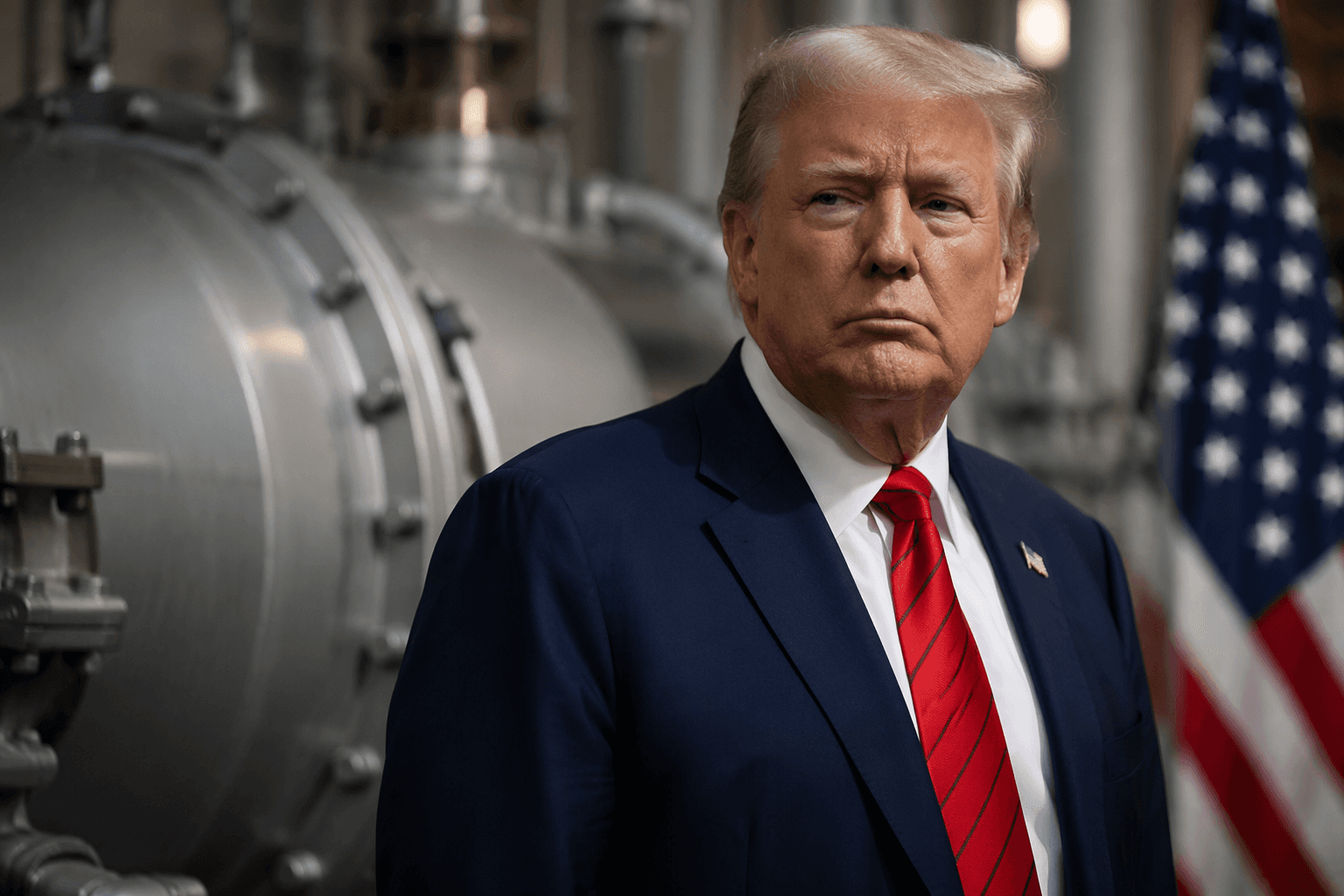
The deepest divide in the Iran talks was not over geography or sanctions, but over what each side said had actually been agreed on inspections. Donald Trump said Iran had accepted the “highest level” of nuclear oversight and, in later posts, claimed Tehran had agreed to inspections into “infinity,” while Iranian officials said there were no detailed nuclear discussions and no such commitment.
The clash came as U.S. and Iranian negotiators met in Switzerland, with JD Vance leading the American side and Mohammad Bagher Ghalibaf heading the Iranian delegation. Mediators from Pakistan and Qatar said the discussions produced a roadmap and that technical teams would keep working on the details, a sign that the process remained alive even as the public accounts diverged sharply.
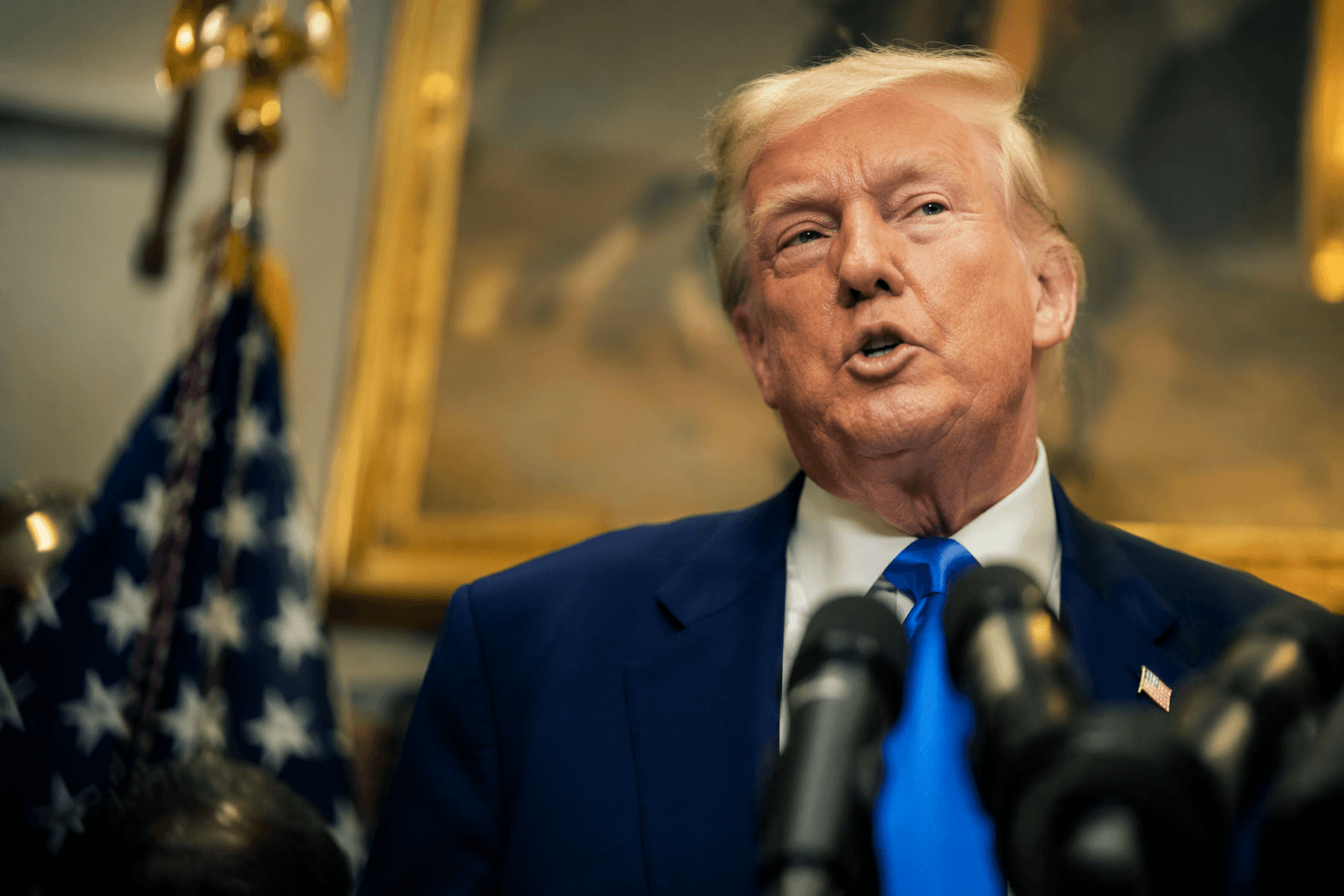
Iranian Foreign Ministry spokesman Esmail Baghaei said there were no plans to allow International Atomic Energy Agency inspectors to visit damaged nuclear sites. Iranian officials also said there was no established protocol for inspectors to enter bombed facilities, underscoring how unresolved the question of access remains. That ambiguity may be deliberate: by keeping the inspection terms undefined, both sides preserve leverage while avoiding a public concession that could weaken their bargaining position.
The stakes extend well beyond diplomatic language. The International Atomic Energy Agency has said Iran’s monitoring environment has been badly degraded and that it cannot fully verify the status of Iran’s enriched uranium stockpile. On June 10, the agency’s 35-nation Board of Governors adopted a U.S.-backed resolution telling Iran to declare its remaining enriched uranium stocks and allow inspectors to verify them, putting verification at the center of any eventual agreement.
The talks are unfolding against the backdrop of a fragile war-ending process after more than three months of conflict. Washington agreed to waive sanctions on Iran for 60 days starting Monday, after the first round of talks under the new framework, giving the diplomacy room to move while also raising the cost of a collapse.
Iranian President Masoud Pezeshkian was in Pakistan on Tuesday, June 23, meeting officials involved in mediation, a reminder that the negotiations are still active even as the messaging remains contradictory. For now, the real contest is over credibility: who gets to define the deal before the deal is written.
This article was produced by Prism’s automated news system from verified source data, official records, and press releases, then run through automated quality and moderation checks before publishing. The system is built and supervised by the people who set the standards it runs under. Read our full AI policy.
Know something we missed? Have a correction or additional information?
Submit a Tip