Supreme Court to release major rulings on Trump agenda, citizenship
The court’s last decisions could decide who gets citizenship at birth, who can remove a Fed governor and whether states may bar transgender girls from school sports.

The Supreme Court’s final-term decisions are poised to redraw the boundaries of presidential power, with birthright citizenship at the center of the most consequential fight. In the next two weeks, the justices are expected to issue more than a dozen opinions, but a handful of cases could reach far beyond the courtroom and into immigration, economic stability and civil rights.
At the top of that power map sits the birthright-citizenship case. President Donald Trump’s executive order seeks to narrow automatic citizenship for some children born in the United States to noncitizen parents, and the court’s June 27, 2025 ruling in Trump v. CASA, Inc. gave the administration a major procedural win by 6-3, saying federal district courts generally lack authority to issue nationwide injunctions. The justices did not decide whether the order is constitutional, but the decision weakened the lower courts’ ability to block it everywhere at once and forced the issue back into narrower litigation. When the court heard oral arguments on April 1, 2026, the 1898 Wong Kim Ark case loomed over the debate, a reminder that the outcome could affect one of the oldest and most contested questions in American citizenship law.
The second major ruling could define how far a president can reach into an independent economic institution. The court is weighing Trump’s effort to fire Federal Reserve Governor Lisa Cook, a move without precedent in the Fed’s 112-year history. Cook has warned that allowing her removal could unsettle financial markets, and the dispute has broader implications for whether presidents can strip for-cause protections from agency officials. In its May 22, 2025 order in Trump v. Wilcox, the court already signaled that the case could implicate the constitutionality of those protections for Fed governors, putting the central bank’s independence directly in play.
Civil rights and school policy are next. In oral arguments on January 13, 2026, the court spent more than three hours on Little v. Hecox and West Virginia v. B.P.J., challenges to Idaho and West Virginia laws barring transgender girls and women from girls’ and women’s school sports teams. Observers said the conservative majority appeared inclined to uphold the bans, a ruling that would reach Becky Pepper-Jackson’s case in West Virginia and could influence school sports policy nationwide.
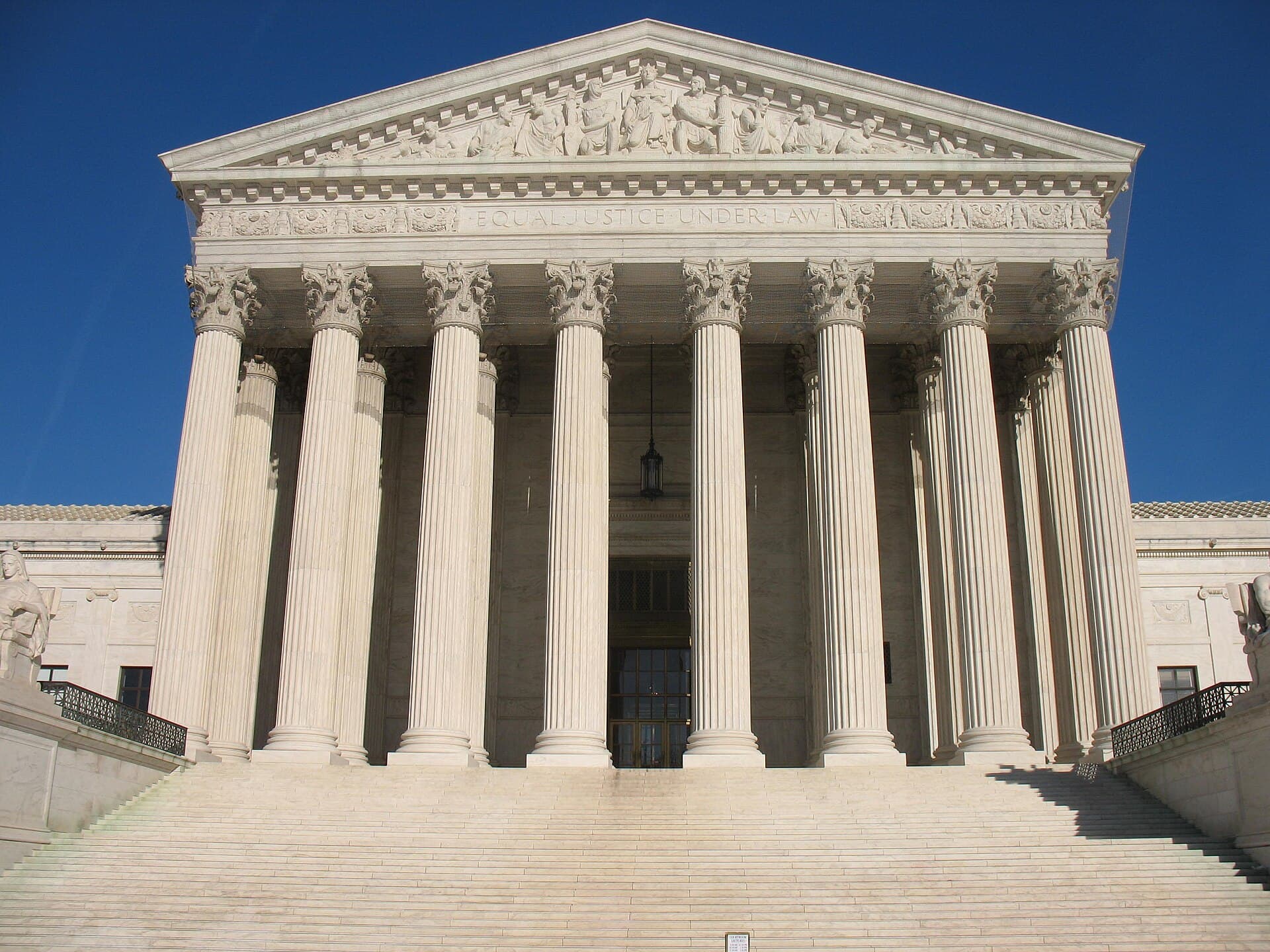
Together, these cases show how a few decisions could expand presidential authority, tighten state power over vulnerable students and alter who the law recognizes as fully American.
This article was produced by Prism’s automated news system from verified source data, official records, and press releases, then run through automated quality and moderation checks before publishing. The system is built and supervised by the people who set the standards it runs under. Read our full AI policy.
Know something we missed? Have a correction or additional information?
Submit a Tip