Supreme Court to review whether criminal trials require 12-person juries
The justices agreed to revisit whether a serious felony can be tried by six jurors, putting Florida’s long-used panel size back under constitutional scrutiny.
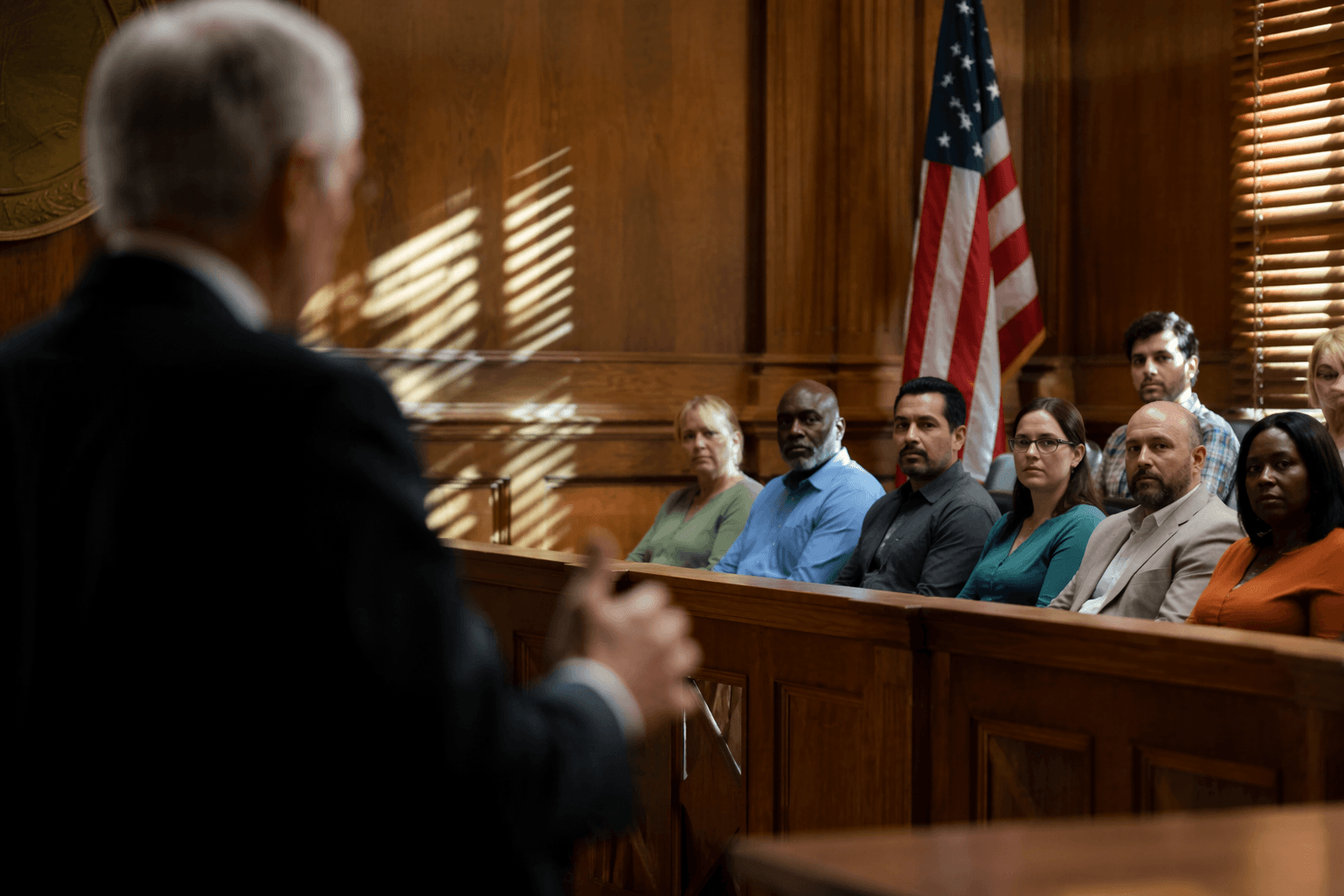
The Supreme Court agreed to decide whether states may convict defendants in serious felony cases with six-person juries instead of 12, placing a Florida chiropractor’s case at the center of a broader challenge to criminal trial procedure. The justices will hear arguments in the fall in Kian v. Florida, a case that could force states to revisit jury systems long treated as settled.
The dispute comes from Hamed Kian, who was convicted in Florida of practicing with a suspended license. Florida uses six-person juries in criminal cases that do not carry the death penalty, and Kian argues that a serious felony trial requires a 12-person panel under the Sixth and 14th Amendments. The Supreme Court docket lists the case as No. 25-6623, with the petition docketed on January 20, 2026 and the lower-court decision dated October 16, 2025.

The court’s review does not immediately change the law, but it puts renewed pressure on a doctrine that has stood for decades. Under current precedent, a criminal jury must have at least six members. The key case is Williams v. Florida, which upheld Florida’s six-person jury law, while Burch v. Louisiana later held that conviction by a nonunanimous six-person jury in a state criminal trial for a nonpetty offense violated the Sixth and 14th Amendments. The question now is whether that line of cases still leaves room for states to use six-member panels in serious felony prosecutions.
The practical stakes reach well beyond one defendant. Arizona, Connecticut, Indiana, Massachusetts and Utah also use six-member juries for at least some criminal trials, so any ruling could ripple through state court systems far outside Florida. A decision for Kian could force lawmakers and judges to rethink long-standing procedures and could revive debate over how much community participation the Constitution demands in criminal verdicts. A decision for Florida would preserve a practice defended by states as efficient and historically accepted, and would leave Williams in place for now.
SCOTUSblog reported that the court added the jury-size case to its merits docket on Monday along with two other new cases, and said the justices had distributed the petition for conference on June 11, 2026. The case now gives the court a direct path to revisit the constitutional minimum for criminal juries, and possibly to decide whether a rule that has governed state trials for generations should remain intact.
This article was produced by Prism’s automated news system from verified source data, official records, and press releases, then run through automated quality and moderation checks before publishing. The system is built and supervised by the people who set the standards it runs under. Read our full AI policy.
Did this article answer your question?