Supreme Court weighs police geofence searches in Virginia robbery case
A Virginia bank robbery is testing whether police can sweep up location data from every nearby phone to identify one suspect.
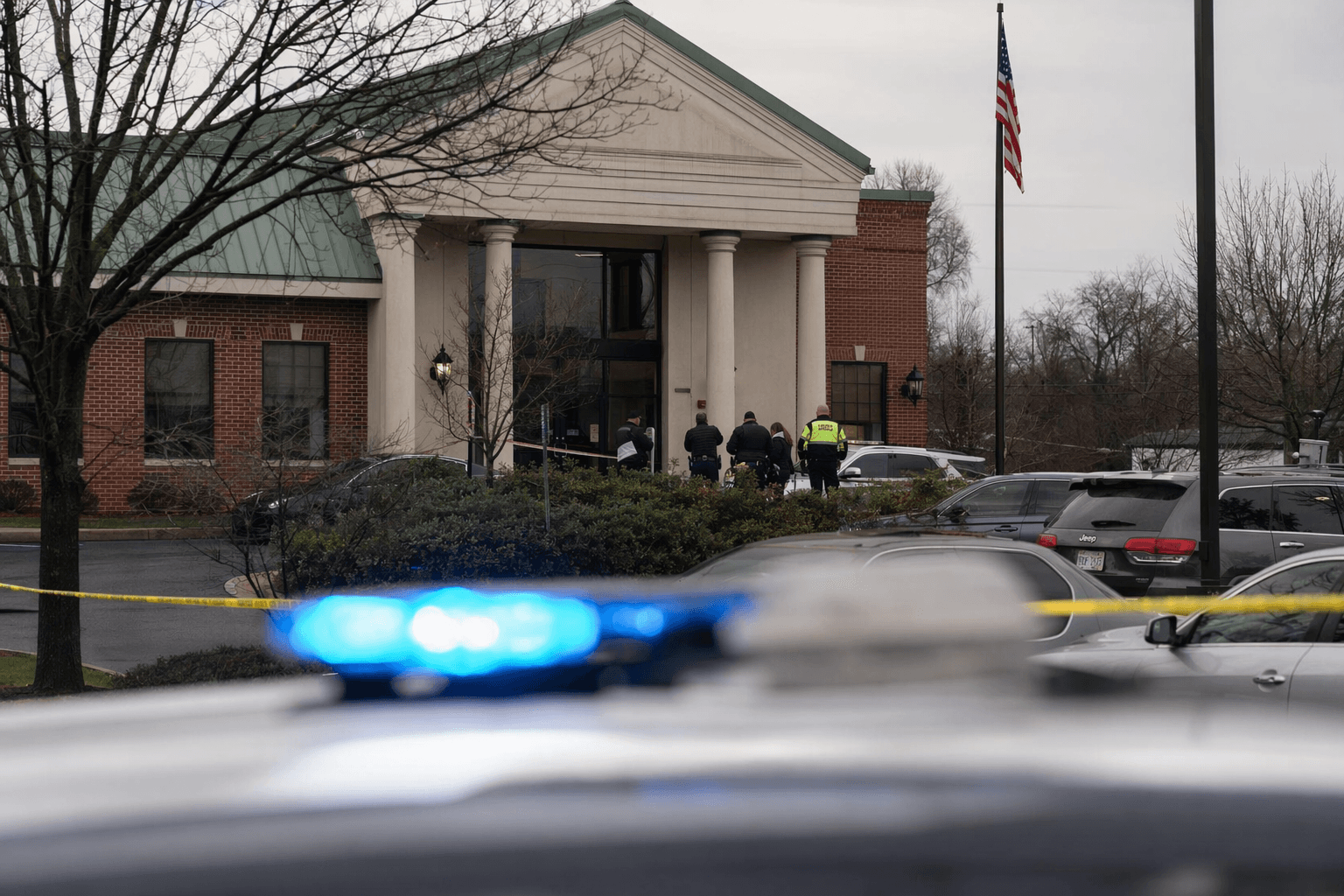
A robbery at a Virginia credit union became the Supreme Court’s latest test of how far police can go in turning phone location data into a search for unknown suspects. The justices were set to confront whether a warrant that swept up data from every device near the Call Federal Credit Union could pass constitutional muster, even though many of those phones belonged to innocent bystanders, witnesses or people inside nearby homes and businesses.
The case stems from the May 20, 2019 robbery of the Call Federal Credit Union in Midlothian, in the Richmond suburbs. Investigators initially had little to go on and turned to Google for help. Police obtained a geofence warrant covering devices within a 150-meter radius of the bank during a one-hour window around the robbery, then asked for additional movement information tied to some devices over a longer, two-hour period. Google first returned anonymized location data and later complied with the follow-up request.
Okello Chatrie was eventually identified, pleaded guilty to robbing the credit union at gunpoint and was sentenced to nearly 12 years in prison. He preserved his constitutional challenge to the warrant, setting up a fight over whether the government can force a company to search its own users’ data when the suspect is not yet known.

The United States Court of Appeals for the Fourth Circuit did not give the Supreme Court a clean answer. A divided panel and then the full court affirmed the denial of suppression on good-faith grounds, leaving no clear majority ruling on the underlying Fourth Amendment question. That left the justices to take up a deeper issue that has been building for years as geofence searches spread through criminal investigations.
The dispute lands against the backdrop of Carpenter v. United States, the 2018 ruling that the government’s acquisition of historical cell-site records revealing a phone’s location is generally a Fourth Amendment search. Chatrie asks how far that logic reaches when police use a warrant in reverse, demanding location data from a broad pool of users near a crime scene rather than targeting a known suspect.
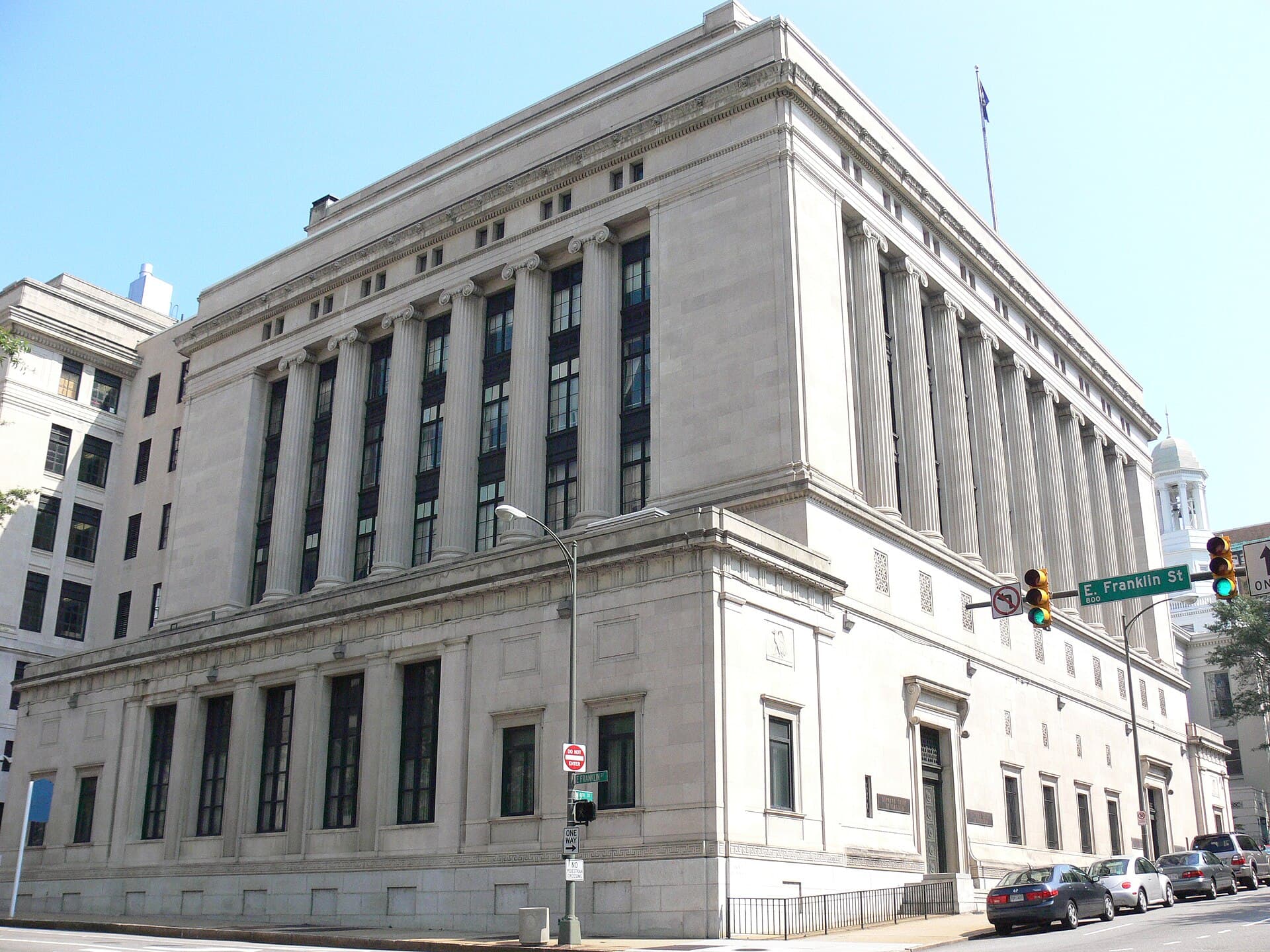
The stakes reach far beyond one robbery. Google said in 2023 that it would reduce the default retention period for Location History and move that data onto users’ devices, a change widely seen as making future geofence warrants harder to execute. Google’s supplemental transparency material said geofence warrants had recently made up more than 25% of the warrants it received in the United States during 2018-2020, and a Harvard Law Review analysis reported that Google received more than 11,500 geofence warrants in 2020. The court’s eventual ruling could decide whether this investigative tool survives as a routine part of modern policing or whether it must yield to stricter limits on what innocent phone users surrender simply by carrying a device.
This article was produced by Prism’s automated news system from verified source data, official records, and press releases, then run through automated quality and moderation checks before publishing. The system is built and supervised by the people who set the standards it runs under. Read our full AI policy.
Did this article answer your question?

