Supreme Court weighs Trump bid to remove Fed governor Lisa Cook
Supreme Court heard an emergency appeal over President Trump’s effort to remove Fed governor Lisa Cook, testing the Federal Reserve’s institutional independence.
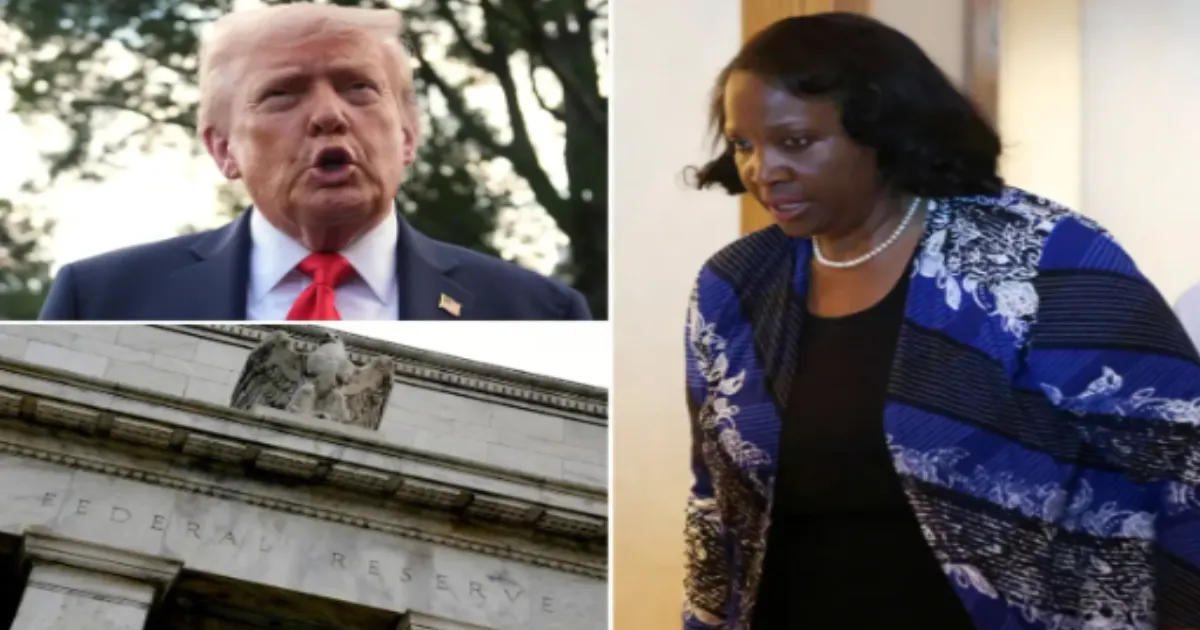
The Supreme Court heard an emergency appeal from the Trump administration asking permission to remove Federal Reserve governor Lisa Cook while her lawsuit challenging that removal moves through lower courts, an unprecedented challenge to the central bank’s autonomy. The argument, held at 10 a.m. EST on Jan. 20, asked justices to allow immediate displacement of a sitting governor even as the merits of her case remain unresolved.
The dispute began when President Trump sought to remove Cook from her seven-member board. Cook sued, and lower-court judges blocked the administration’s effort and explicitly permitted her to remain on the board pending the litigation. The Supreme Court had already agreed in October 2025 to take up the broader dispute and issued an unsigned order allowing Cook to stay in office; the emergency appeal was intended to shortcut that process and allow her removal during ongoing proceedings.
Statutory language lies at the heart of the fight. The Federal Reserve Act gives governors 14-year terms “unless sooner removed for cause by the President.” The administration’s emergency filings assert that Cook made contradictory residency representations in two mortgage agreements within a short time frame, claiming both a Michigan property and a Georgia property as her principal residence. Those factual allegations underpin the argument that cause exists under the statute to effect her removal immediately while the courts decide the larger legal questions.
Solicitor General D. John Sauer pressed the Court to permit the removal during litigation. The administration framed its petition narrowly, seeking immediate displacement rather than a sweeping declaration that presidents may remove Fed governors at will. Still, the requested relief raises a foundational question about whether a president may displace a sitting governor mid-litigation and what that power would mean for the Fed’s ability to act free of political pressure.

Justices will confront institutional history as well as statute. The attempt to remove Cook is the first known presidential effort to oust a sitting Fed governor in the Federal Reserve’s 112-year history. Filings and commentary filed in the run-up to the argument signaled that the justices have shown greater caution when the Court grapples with interference involving the central bank, referring to the Federal Reserve as a uniquely structured, quasi-private entity. That posture reflects concern about the potential ripple effects of any decision that erodes protections for Fed independence.
The case is unfolding against a politically charged backdrop. Fed Chair Jerome Powell and other board members enacted three rate cuts late in 2025 and have signaled the possibility of holding rates steady in coming months, moves that diverged from the president’s public positions and heightened scrutiny of the Fed’s decisions. Powell was expected to attend the Supreme Court for the emergency argument, underscoring the direct institutional stake.
A rapid ruling on the emergency question was the Court’s immediate task; the justices will address the full merits later, with a decision anticipated by the end of the term this summer. Legal resolution will require the Court to weigh the particular factual allegations about residency and the statutory standard of removal for cause against the broader constitutional and policy implications for executive authority and central-bank independence. The outcome will reverberate beyond U.S. politics, shaping global perceptions of the Federal Reserve’s stability and the role of politics in monetary governance.
This article was produced by Prism’s automated news system from verified source data, official records, and press releases, then run through automated quality and moderation checks before publishing. The system is built and supervised by the people who set the standards it runs under. Read our full AI policy.
Did this article answer your question?

