Supreme Court withholds ruling on Trump tariffs, issues three opinions
The court released three opinions but delayed ruling on a challenge to President Trump's global tariffs, prolonging legal and economic uncertainty.
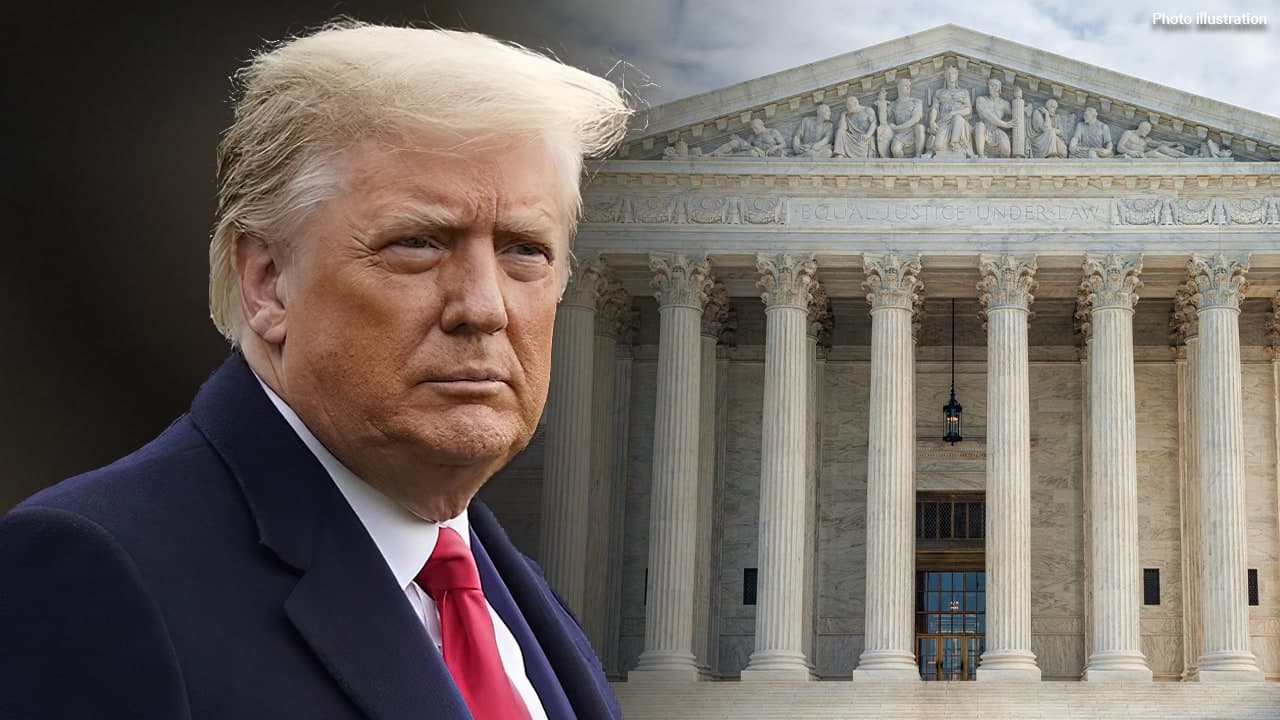
The Supreme Court released three opinions today but declined to resolve a high-profile challenge to President Donald Trump’s authority to impose sweeping global tariffs, leaving unresolved a central test of executive power and the international trade outlook. The court provided no timetable for when it will decide the tariff dispute, prolonging uncertainty for markets, supply chains and public programs that depend on cross‑border commerce.
One of the opinions issued today, Berk v. Choy, tackles how state medical‑malpractice rules apply in federal court. The case arose after Harold R. Berk, injured in Delaware, sued three health care providers for alleged negligence. Under Delaware law, malpractice plaintiffs must file an affidavit of merit from a qualified medical expert. The court’s opinion addresses how that state requirement operates in federal litigation and engages longstanding questions about the Erie doctrine and the balance between state procedural rules and federal court practice. Legal observers say the decision could reshape access to justice for injured patients by altering the procedural threshold for malpractice claims in federal courts.
The tariff challenge rests on a 1977 statute that allows the president to take emergency‑style trade measures. The administration is appealing lower‑court rulings that found the president exceeded statutory authority by imposing broad import duties. During oral arguments on Nov. 5, justices from across the ideological spectrum appeared to cast doubt on the legal basis for the tariffs, yet the court stopped short of issuing a decision today and offered no indication of when it will do so.
The unfinished disposition in the tariff case leaves multiple policy and public health concerns unresolved. Economists and trade partners face a prolonged period of uncertainty about tariffs that could affect prices for consumers and the cost of imported medical supplies and prescription drugs. Public hospitals, community health centers and manufacturers that rely on cross‑border components could see supply disruptions or higher procurement costs, with disproportionate effects on low‑income and rural communities that already face health inequities.

President Trump separately announced plans on Truth Social for a 10 percent import tax beginning in February on goods from eight European nations, framing the measure as a response to disputes over Greenland. Those statements are part of the public record but are not adjudicated facts in the pending litigation. The combination of an unresolved legal challenge and public signals from the White House has heightened market sensitivity and could complicate coordination with allies on supply chains for critical materials, including medical equipment.
Beyond immediate economic effects, the outcome of the tariff litigation will have broader constitutional implications. The case tests the extent of unilateral executive authority under a statute enacted in 1977 and may influence future claims of emergency powers across domestic and foreign policy. Meanwhile, Berk v. Choy underscores how court rulings on procedural rules can have material effects on health care access, litigation costs and systemic equity in medical accountability.
With the high court releasing other opinions today but withholding a decision in the tariff dispute, Congress and federal agencies face continued pressure to clarify statutes and policy in ways that protect supply chains, public health and equitable access to legal remedies. For communities and health systems already stretched thin, the court’s silence will amount to more than a legal question: it is an open policy dilemma with real consequences for care and economic wellbeing.
This article was produced by Prism’s automated news system from verified source data, official records, and press releases, then run through automated quality and moderation checks before publishing. The system is built and supervised by the people who set the standards it runs under. Read our full AI policy.
Did this article answer your question?