Survey finds most UK sandwiches exceed salt and calorie targets
A single Gail’s smoked chicken caesar club packed 6.88g of salt, nearly five McDonald’s cheeseburgers’ worth, in a lunch that cost £8.90. The survey found more than 1 in 10 UK sandwiches still exceed salt and calorie targets.

A grab-and-go lunch can quietly blow through a sensible day’s salt intake before the afternoon meeting starts. Action on Salt & Sugar said people should not be exposed to a “hidden health risk every time they buy lunch”, after an analysis of 546 sandwiches, wraps, rolls and baguettes sold across UK supermarkets and high street chains found more than 1 in 10 exceeded current salt and calorie reduction targets.
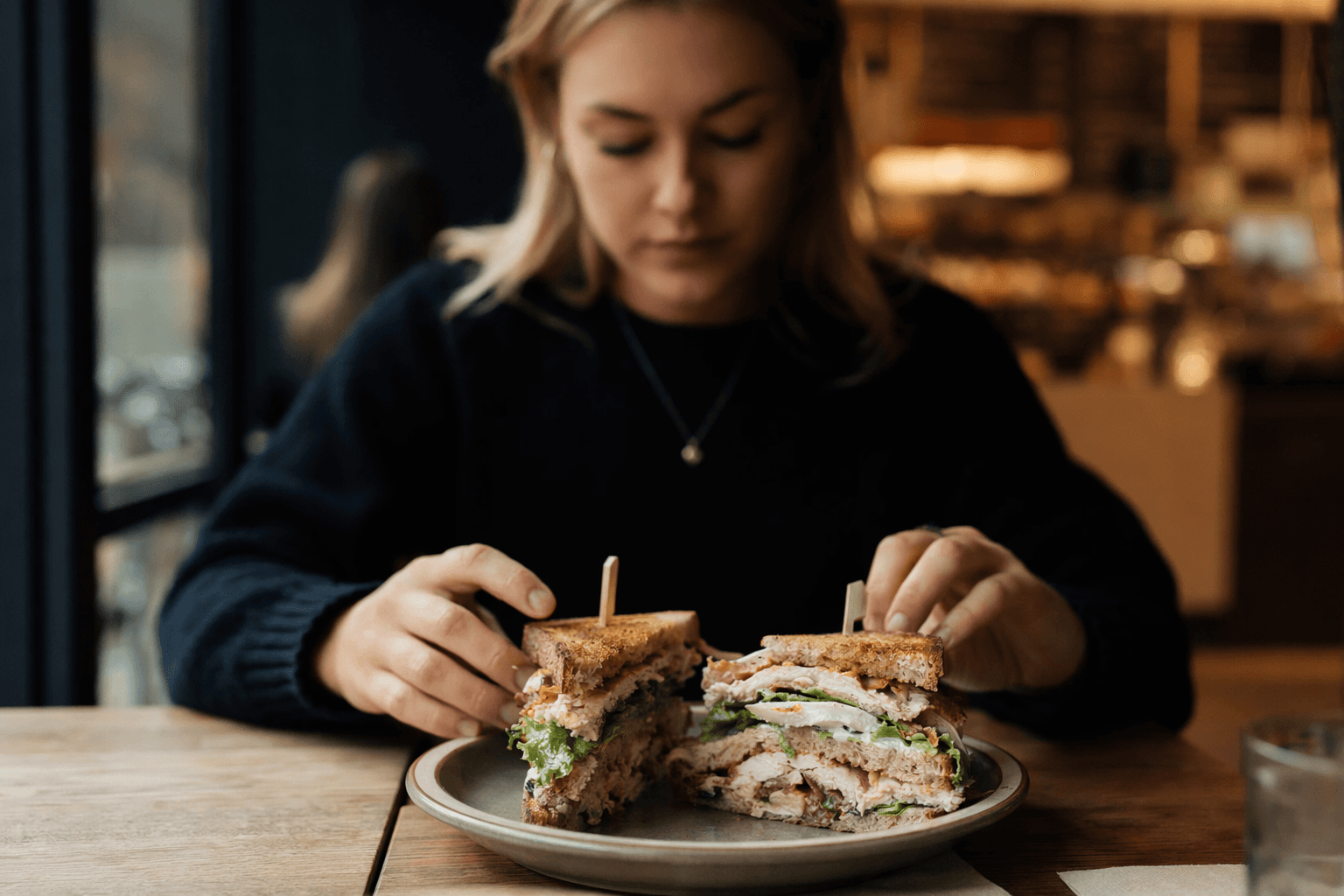
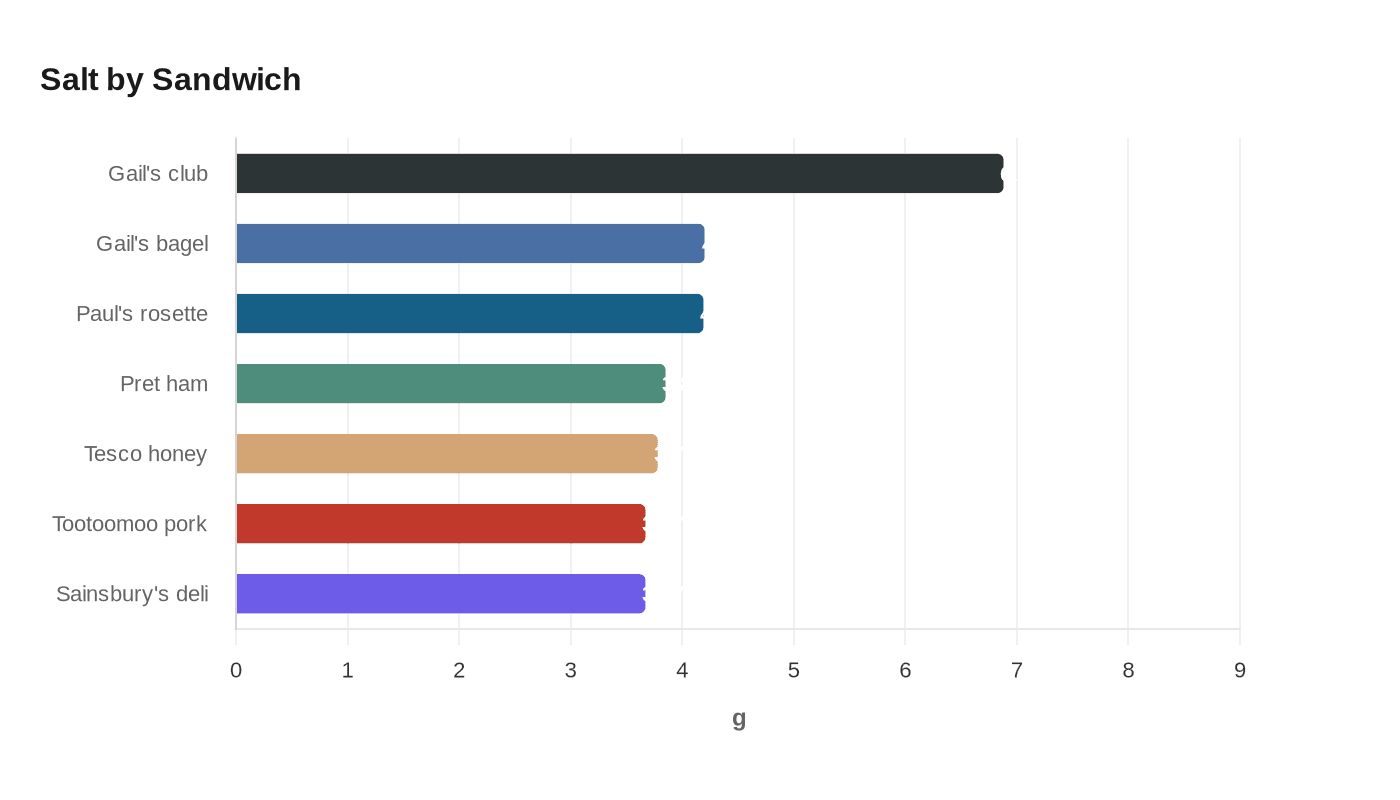
The worst offender was Gail’s smoked chicken caesar club, which contained 6.88g of salt, almost five McDonald’s UK cheeseburgers’ worth, and around 10 rashers of bacon in salt terms. It also cost £8.90, carried 1,067 calories and contained 90% of an adult’s maximum daily saturated fat limit. Other high-salt items included Gail’s smoked salmon bagel at 4.2g of salt, Paul’s rosette cheese salami gherkin at 4.19g, Pret’s ham and greve baguette at 3.85g, Tesco’s fully loaded hot honey halloumi, falafel and pickled slaw at 3.78g, Tootoomoo’s sriracha pork sando at 3.67g and Sainsbury’s kitchen deli pastrami, cheddar cheese and gherkin mustard mayo at 3.67g.
The nutritional picture was poor across the category. Forty-four per cent of the products would receive a red front-of-pack warning for salt, and around 1 in 4 were classed as less healthy under current nutrient profiling rules. Action on Salt & Sugar said 97% of the products failed to provide even a third of the recommended daily fibre intake, while a third were high in saturated fat. Meat and fish dominated the range, making up 74% of the sandwiches tested, while plant-based options accounted for just 6%.
The findings sharpen a long-running policy question: whether voluntary reformulation is enough. The UK salt reduction programme has been voluntary since 2006, and Action on Salt’s timeline says industry progress has been monitored through later reporting rounds while the government still relies on non-mandatory guidance. Against that backdrop, the average adult salt intake in England remains 8.4g a day, above the recommended maximum of 6g, leaving little room for an ordinary lunch to overshoot the limit.
The health stakes extend beyond a single meal. High salt intake contributes to preventable illness including hypertension, cardiovascular disease, stroke and kidney disease, while the survey also framed the sandwich aisle as a sustainability problem in a food system still dominated by meat-based products. For a staple built around speed and convenience, the message is blunt: the easiest lunch choice can still be the most damaging.
This article was produced by Prism’s automated news system from verified source data, official records, and press releases, then run through automated quality and moderation checks before publishing. The system is built and supervised by the people who set the standards it runs under. Read our full AI policy.
Did this article answer your question?