Survivors seek justice for Al Fayed enablers as police widen probe
Survivors are pressing for justice beyond Mohamed Al Fayed, as police widen their probe to alleged trafficking and 154 people report abuse claims.
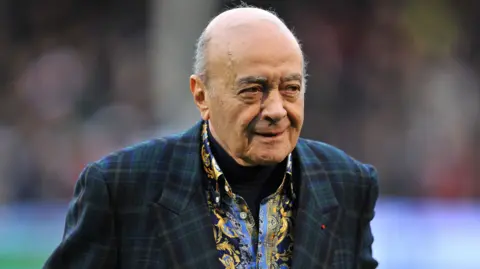
Survivors of Mohamed Al Fayed’s abuse are now demanding that the people around him face scrutiny too, as Metropolitan Police investigators widen their live inquiry to include alleged human trafficking and have interviewed four suspects under caution.
The pressure has sharpened around the network that surrounded the former Harrods owner, who controlled the Knightsbridge store from 1985 to 2010 and died in 2023 aged 94. By late March 2026, 154 people had come forward to report allegations of sex abuse against Al Fayed, underscoring how far the case has moved beyond one man’s crimes and toward the institutions, managers and staff accused of allowing them to continue.

The BBC’s 2024 investigation, Al Fayed: Predator at Harrods, brought testimony from more than 20 survivors and helped force wider attention on how the abuse allegedly went unchecked for years. Survivors have said they want a public inquiry into how Al Fayed was able to groom and abuse young women in plain sight, with some describing the scandal as “our Epstein” to stress the scale of the alleged institutional failure. Their focus now is not only on punishment, but on mapping who knew what, who looked away and who may have actively helped.
Harrods launched a compensation scheme in March 2025 for historic sexual abuse linked to Al Fayed, but survivors returning to the store said it did not amount to justice. The redress scheme closed to new applicants on 31 March 2026. Harrods said eligible claimants could receive up to £385,000 plus treatment costs if they agreed to a psychiatric assessment, or up to £150,000 without one, and company filings indicated the retailer set aside more than £60 million for the programme.
Survivors and their lawyers have argued that the compensation process has not properly addressed the role of Harrods staff or other enablers, including allegations that some employees helped traffic women to Al Fayed or otherwise facilitated abuse. The Justice for Harrods Survivors group said more than 400 people contacted it with allegations, witness accounts or related information, a sign that the fallout from the case continues to widen even after Al Fayed’s death.
For survivors, the central question is no longer only what Al Fayed did, but how a powerful business, its managers and its culture of deference allowed the abuse to persist inside one of London’s best-known stores.
This article was produced by Prism’s automated news system from verified source data, official records, and press releases, then run through automated quality and moderation checks before publishing. The system is built and supervised by the people who set the standards it runs under. Read our full AI policy.
Did this article answer your question?


