Suspect in Gann Fire had prior conviction for burning land in 2018
Herbert Wayne Smith was arrested after the Gann Fire, but he had already been sentenced in 2019 for burning land in a 2018 fire case.
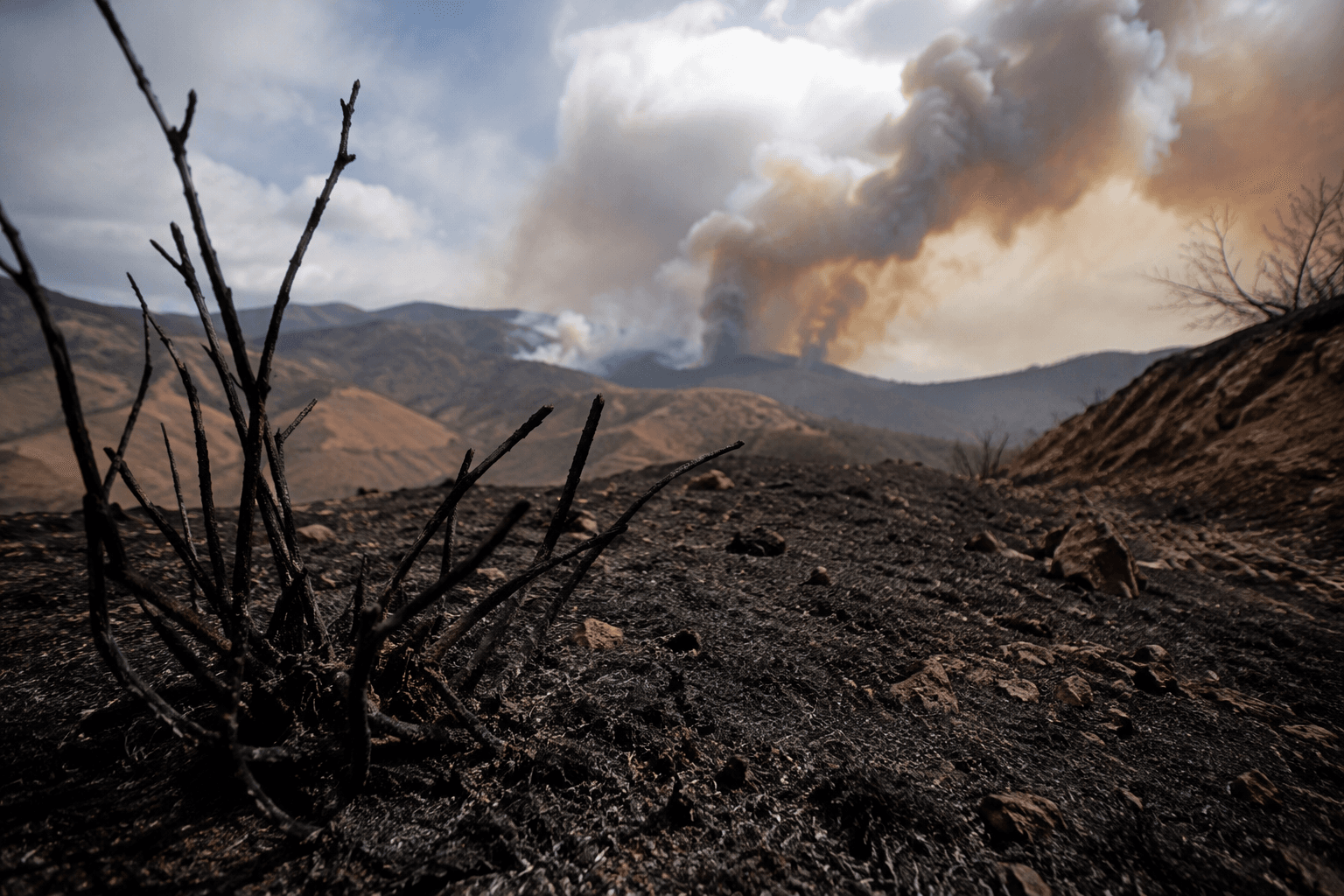
Herbert Wayne Smith, 65, was arrested near 8591 Hogan Dam Road hours after investigators say the Gann Fire ignited in a rural area of Calaveras County southeast of New Hogan Lake. The arrest has put the focus on a blunt question: how a man with a prior fire-related conviction was able to be in a position to face a new wildfire case at all.
Smith’s earlier case dates to 2018, when he was charged with burning land belonging to someone else. He later pleaded no contest in 2019 and was sentenced to 36 days in jail. In the Gann Fire case, Smith said he did not intentionally start the blaze.
The fire began Aug. 3 and quickly spread through a rural stretch of Calaveras County, prompting evacuation orders in the affected zones, according to CAL FIRE. By Aug. 5, the fire had burned at least 6,495 acres, and by Aug. 6 it had grown to 10,373 acres, underscoring how rapidly the blaze moved through dry Northern California terrain.
The case has drawn attention because it combines a major wildfire emergency with a repeat fire offender history. The earlier sentence was short, and the new arrest raises questions about whether supervision, sentencing, mental-health intervention or fire-prevention safeguards did enough to reduce the risk of another ignition in a region where fire can spread fast and leave little margin for error.
The fire’s human toll also widened the stakes. One person died in the California fire after saying he had started it by accident, and SFGATE reported that a person was found dead in a burned home in the Gann wildfire. With evacuations ordered and the acreage climbing across Calaveras County, the case now sits at the intersection of criminal accountability and public safety, where investigators will face pressure to explain what failed before the next spark became a fast-moving fire.
This article was produced by Prism’s automated news system from verified source data, official records, and press releases, then run through automated quality and moderation checks before publishing. The system is built and supervised by the people who set the standards it runs under. Read our full AI policy.
Did this article answer your question?