Virginia seeks Supreme Court review in license plate free speech case
The Fourth Circuit said Virginia vanity-plate characters are private speech, setting up a Supreme Court fight over Curtis Whateley’s revoked “FTP&ATF” plate.
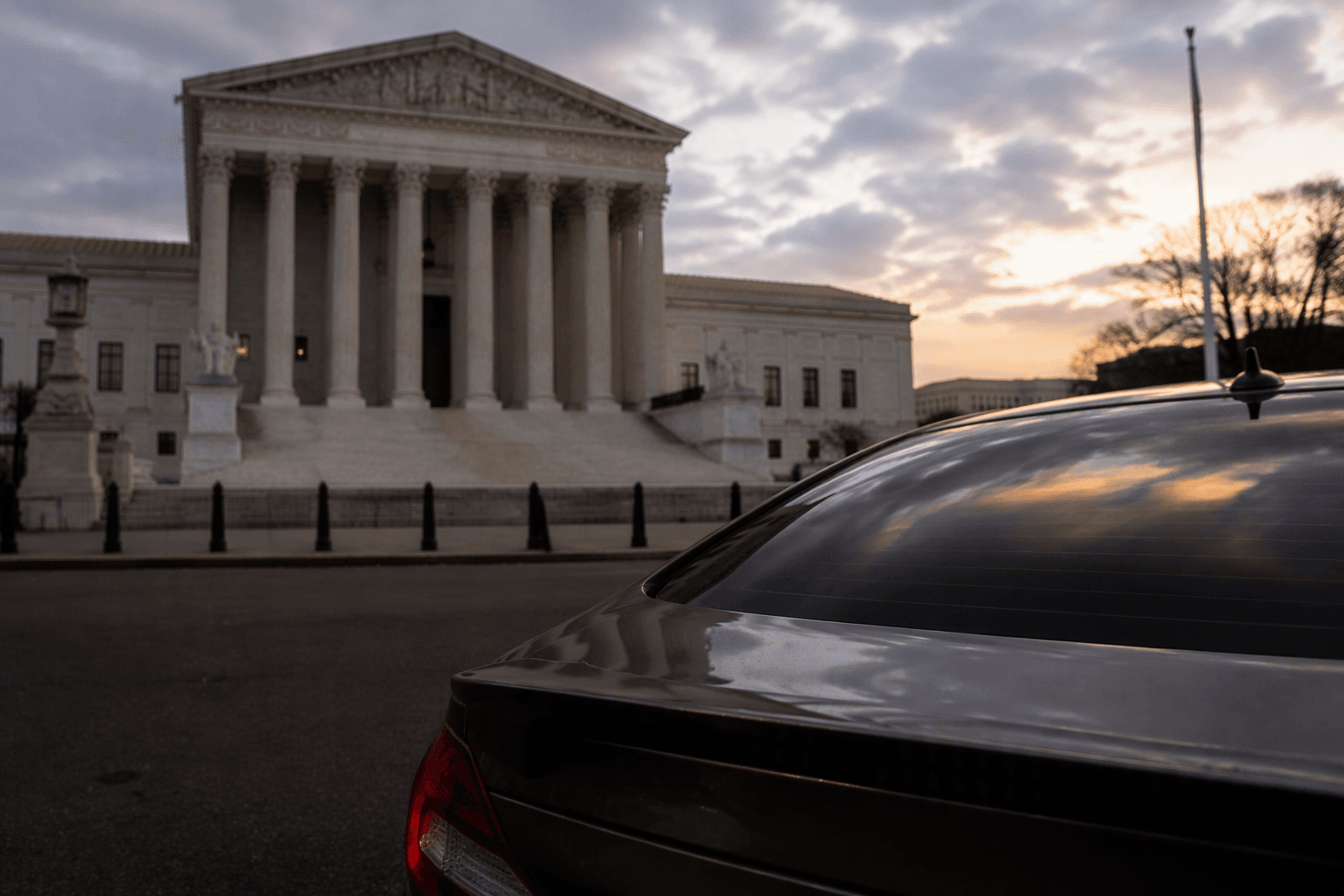
The Fourth Circuit ruled July 31 that Virginia’s personalized character combinations on vanity plates are private speech, not government speech, and vacated and remanded Curtis M. Whateley’s challenge to the state’s revocation of his plate. Virginia will ask the Supreme Court to review the fight over the seven-character message, putting a single license plate at the center of a broader First Amendment test.
Whateley sued after the Virginia Department of Motor Vehicles revoked a plate reading “FTP&ATF,” a message he acknowledged was his own. In the Western District of Virginia in Lynchburg, the case moved under docket 6:25-cv-00010-NKM-CKM before Senior U.S. District Judge Norman K. Moon, and Whateley alleged the DMV violated his First and Fourteenth Amendment rights. The appeal reached the Fourth Circuit as No. 25-1751.
The ACLU of Virginia joined the case as counsel of record and filed an opening brief on Sept. 2, 2025. A day later, the group said it was challenging what it described as suppression of constitutionally protected speech, while WRIC ABC 8News reported that the organization had joined the lawsuit after the DMV revoked the plate. The state defendant is listed in the case as Lackey, tying the dispute to Virginia DMV leadership as the litigation moved from Richmond-area policy to federal appellate review.
Virginia’s personalized plate rules cite Va. Code § 46.2-726, which gives the commissioner discretion to reserve certain combinations of letters or numbers. The DMV also maintains a separate personalized-message policy and guidelines page, reflecting the agency’s effort to control what appears on government-issued plates while still offering vanity combinations to drivers.
The Fourth Circuit heard argument on May 6, 2026, before issuing its published opinion on July 31. Judge Harris wrote the decision, which held that Virginia’s vanity-plate character combinations are private speech rather than government speech, a distinction that matters far beyond this one plate. The ruling pushes the dispute toward the Supreme Court at a moment when courts continue to sort out how much control states can exercise over messages displayed on property they issue, but that drivers use to speak in public.
This article was produced by Prism’s automated news system from verified source data, official records, and press releases, then run through automated quality and moderation checks before publishing. The system is built and supervised by the people who set the standards it runs under. Read our full AI policy.
Did this article answer your question?