Suspicious Trades Before Trump Policy Moves Draw Expert Scrutiny
An unknown trader turned $32,000 into $400,000 overnight on a Venezuela bet placed hours before Trump acted; experts call the pattern "deeply suspicious."
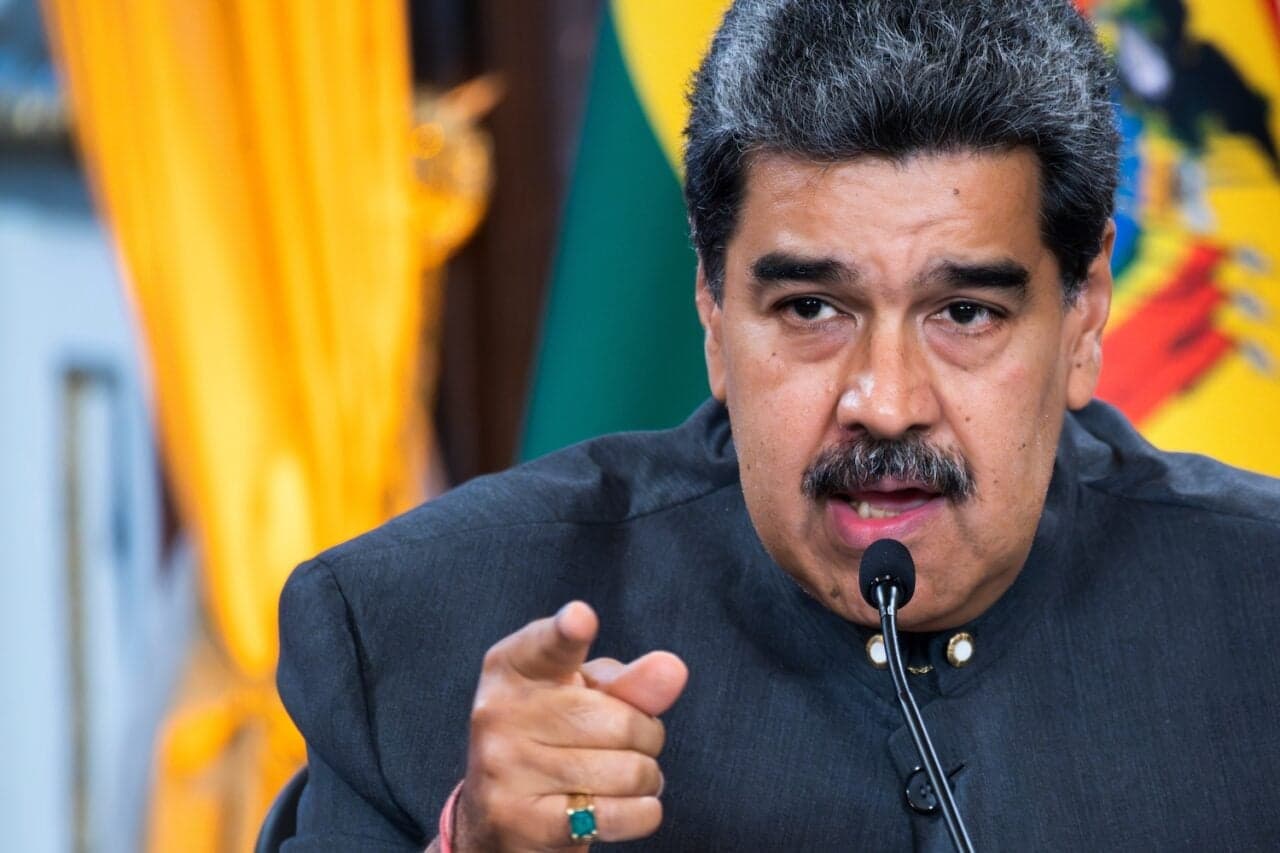
On January 2, an anonymous account on the prediction market Polymarket placed more than $30,000 in bets that Venezuela's Nicolás Maduro would be ousted before January 31. The account had been created the previous month. The next morning, Trump moved on Venezuela, and the unknown trader walked away with more than $400,000.
That single transaction is one of at least four discrete episodes identified in a Reuters review of trading ahead of major Trump administration decisions on tariffs, Venezuela, and Iran. Across options, commodity futures, and prediction markets, a pattern emerged: sizable, anonymous wagers placed in narrow windows just before policy moves that rocked global markets, yielding returns that enforcement veterans described as extraordinary in both scale and timing.
The April 9, 2025 tariff pause produced the starkest conventional market footprint. Options traders collected millions in the final minutes before Trump announced a 90-day suspension of his sweeping "Liberation Day" tariff package, a move that sent the S&P 500 surging 9.5% in a single session. Days later, more than 150 Polymarket accounts placed hundreds of bets predicting a U.S. strike on Iran the very day before strikes began. And roughly 15 minutes before Trump announced a delay in threatened attacks on Iranian energy targets, oil-futures orders worth approximately $580 million hit the market. Analytics firm Bubblemaps separately identified six Polymarket accounts that collectively pocketed $1.2 million on bets tied to the February 28 killing of Iranian Supreme Leader Ali Khamenei; those accounts were funded in the hours immediately before U.S.-Israeli forces struck.
Andrew Verstein, an insider-trading expert at UCLA School of Law, reviewed the data and said the examples "look deeply suspicious," adding that they show patterns consistent with "informed trading by government officials and their friends." Aitan Goelman, a former enforcement director at the Commodity Futures Trading Commission, said trades of this character would normally prompt exchanges, the CFTC, and potentially the Justice Department to open a closer examination.
The White House pushed back through spokesman Kush Desai, who said government ethics rules prohibit employees from using nonpublic information for financial gain and called any suggestion of wrongdoing "baseless and irresponsible."
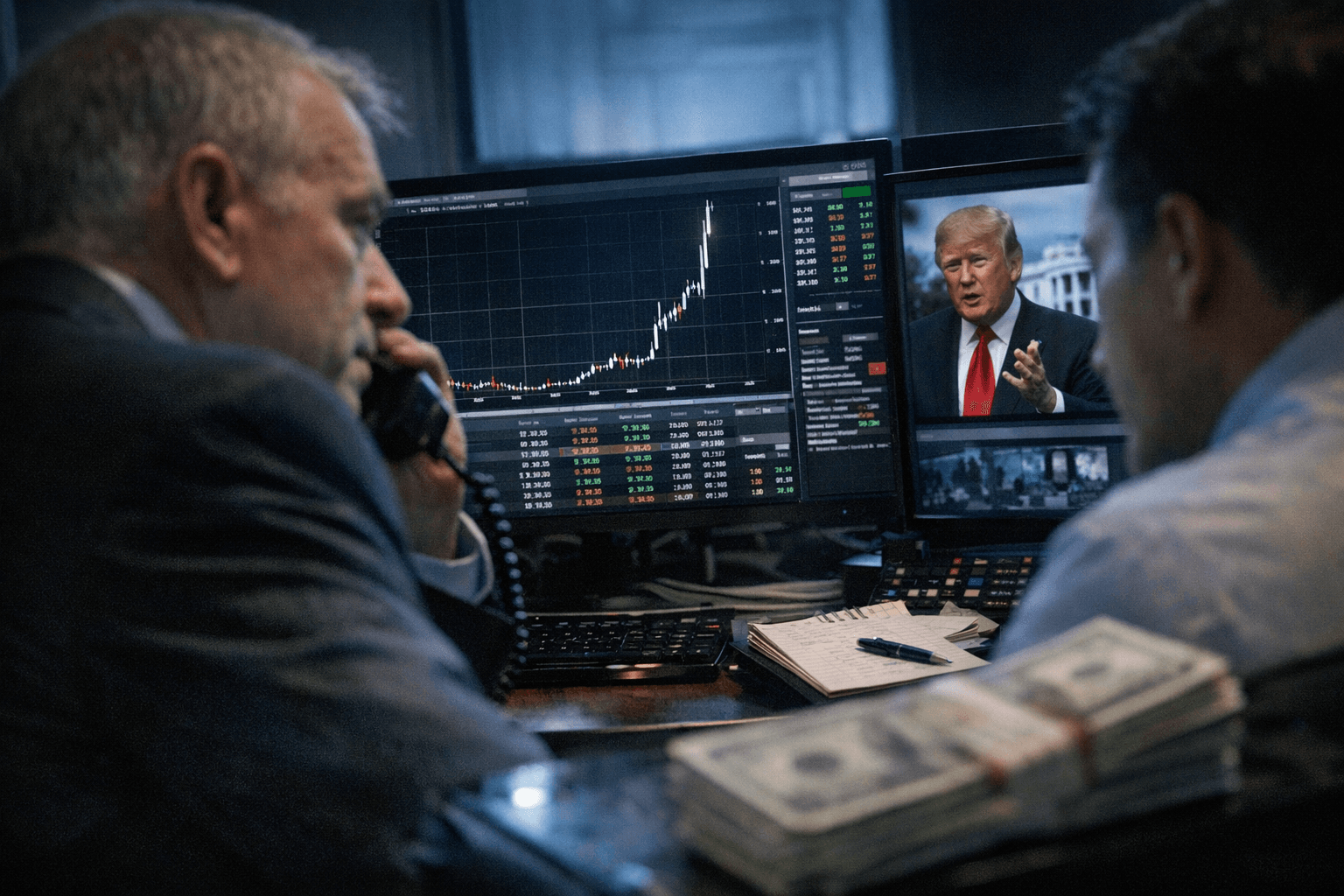
But enforcement experts say the legal terrain itself is part of the problem. Insider-trading statutes built around equities do not translate cleanly to commodities futures, and prediction platforms like Polymarket and Kalshi operate in regulatory gray zones that make prosecution significantly harder. The evidentiary bar to link an anonymous account to a specific person with access to a specific policy deliberation is high, and that investigative work tends to move slowly even when agencies are motivated to pursue it.
The regulatory response so far has been uneven. The CFTC said it routinely flags unusual activity and shares information with exchanges. The SEC declined to comment. The Justice Department did not respond to requests for comment, a silence that raises its own questions given the breadth of the pattern documented across multiple asset classes and multiple policy decisions.
For the roughly 70 million American households holding 401(k) accounts, the stakes in that silence are concrete. When large, informed bets front-run a 9.5% single-day index swing, ordinary investors absorbing volatility on the wrong side of the trade pay the spread. Market integrity, in this context, is not an abstraction; it is the difference between a retirement account that recovers and one that doesn't. If investigators ultimately find communications linking these trades to policy deliberations inside the White House, the consequences could include criminal charges, civil penalties, and new restrictions on how nonpublic government information flows to the trading community.
This article was produced by Prism’s automated news system from verified source data, official records, and press releases, then run through automated quality and moderation checks before publishing. The system is built and supervised by the people who set the standards it runs under. Read our full AI policy.
Did this article answer your question?

