Sweden drops plan to lower criminal age, backs 14 instead
Sweden backed away from locking up 13-year-olds, settling on 14 after backlash over a five-year crime crackdown. The retreat shows the limits of tougher youth justice.
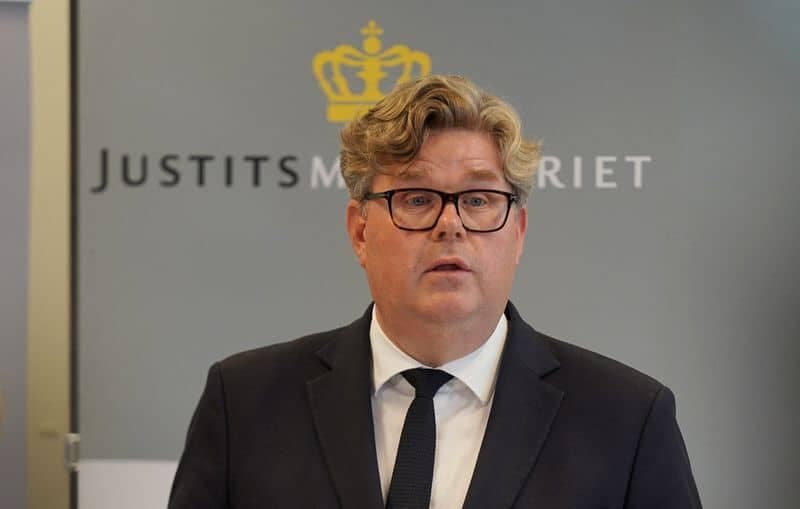
Sweden has backed away from its most hard-line move against youth crime, dropping a proposal to lower the age of criminal responsibility to 13 and instead settling on 14. Justice Minister Gunnar Strommer said there was not enough parliamentary support for the tougher version, a quiet admission that the government’s headline-grabbing plan had run into a political wall.
The reversal matters because Sweden has spent years trying to answer a surge in gang violence with sharper policing, harsher sentences and new powers for law enforcement. Officials say criminal networks have recruited children through social media, including some as young as 11, to serve as couriers, lookouts, shooters and other low-risk operatives who are harder to prosecute under current law. Against that backdrop, the original 13-year plan was meant to show resolve. Instead, it exposed how far Sweden is willing to go, and where resistance begins.

The government had formally advanced the tougher line in January 2026 and then in its April 16 proposition, Skärpta regler för unga lagöverträdare, which proposed a temporary five-year lowering of the age to 13 for serious crimes. The package also called for sharply reduced youth discounts and stricter youth supervision rules, with the reforms set to take effect on July 1, 2026. An earlier government inquiry had recommended a floor of 14 for particularly serious crimes, making the new compromise closer to expert advice than to the government’s original ambition.
The scale of the problem is driving the policy fight. Strommer said more than 50 children under 15 faced court last year on suspicion of murder or attempted murder. Reuters also reported that in the first six months of 2024, 93 under-15s were suspected of murder, aiding and abetting murder or attempted murder, three times the number from the same period a year earlier. That is the reality pushing Swedish lawmakers toward tougher juvenile rules, even as critics warn that prison is no answer for children so young.
The compromise to 14 also reflects international pressure. The United Nations Committee on the Rights of the Child recommends a minimum age of 14, which is also the European Union average. Sweden had already begun preparing for a lower threshold: Rosersberg prison was among eight facilities readied for special youth units from July 1, even before the final political decision. The shift to 14 keeps the government on a harder line, but it also shows the limits of punishment-first policymaking when the offenders are still children and the gang economy is already reaching them earlier.
This article was produced by Prism’s automated news system from verified source data, official records, and press releases, then run through automated quality and moderation checks before publishing. The system is built and supervised by the people who set the standards it runs under. Read our full AI policy.
Know something we missed? Have a correction or additional information?
Submit a Tip