Trump says Iran deal close, Tehran says nothing finalized
Trump said a U.S.-Iran peace deal could be signed within days, but Tehran said nothing was finalized and it would not yield on its red lines.
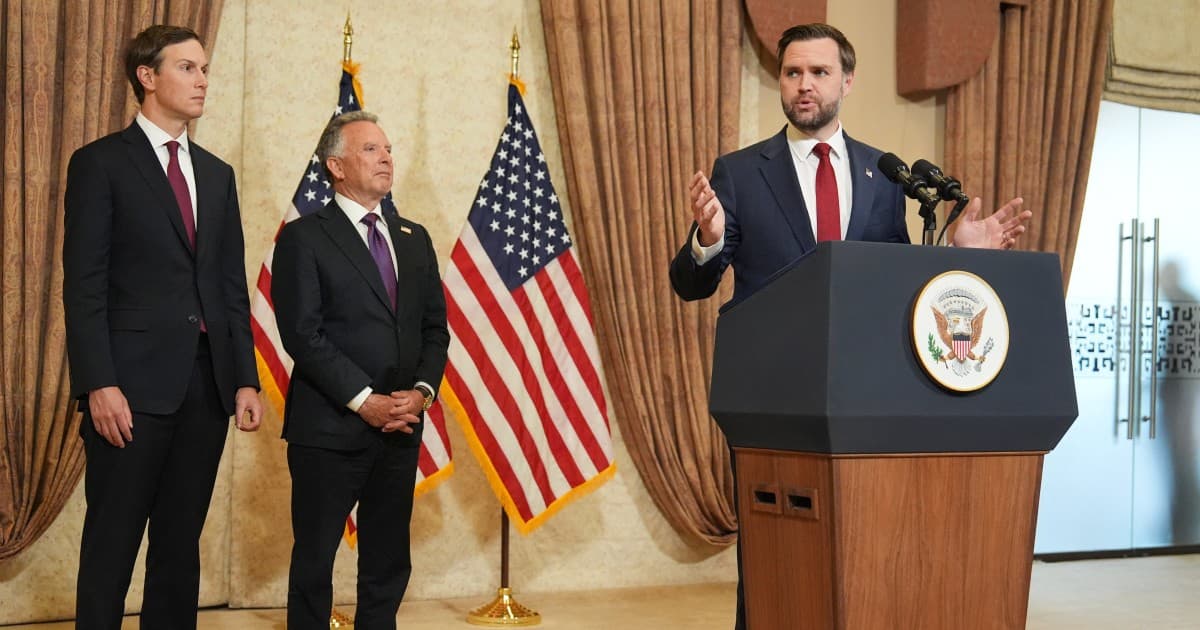
Donald Trump pushed the clearest signal yet that a U.S.-Iran deal might be near, saying the two sides could sign a peace agreement as soon as this weekend and that the Strait of Hormuz would reopen once it was signed. Iran answered just as plainly: Foreign Ministry spokesman Esmaeil Baghaei said, “Nothing has been finalized,” even as he said large parts of the text under negotiation had been completed.
The gap between those two claims captured the fog surrounding the talks. Trump described the arrangement as a “very strong memorandum of understanding” that was “a little conceptual,” and said Vice President JD Vance could sign for the United States, possibly in Europe. He also said he had called off planned military strikes on Iran after progress in negotiations, a sign that diplomacy, not force, had taken the lead for now.
Yet neither side has publicly disclosed the terms. That leaves the core questions unresolved: whether any agreement would curb Iran’s nuclear program, whether sanctions relief would be part of the package, and whether Tehran would receive access to frozen assets. Iranian state media and other reports have said those demands include sanctions relief, the release of billions of dollars in frozen assets, and recognition of Iran’s control of the Strait of Hormuz. Trump has repeatedly said any deal must ensure Iran cannot develop or acquire nuclear weapons.
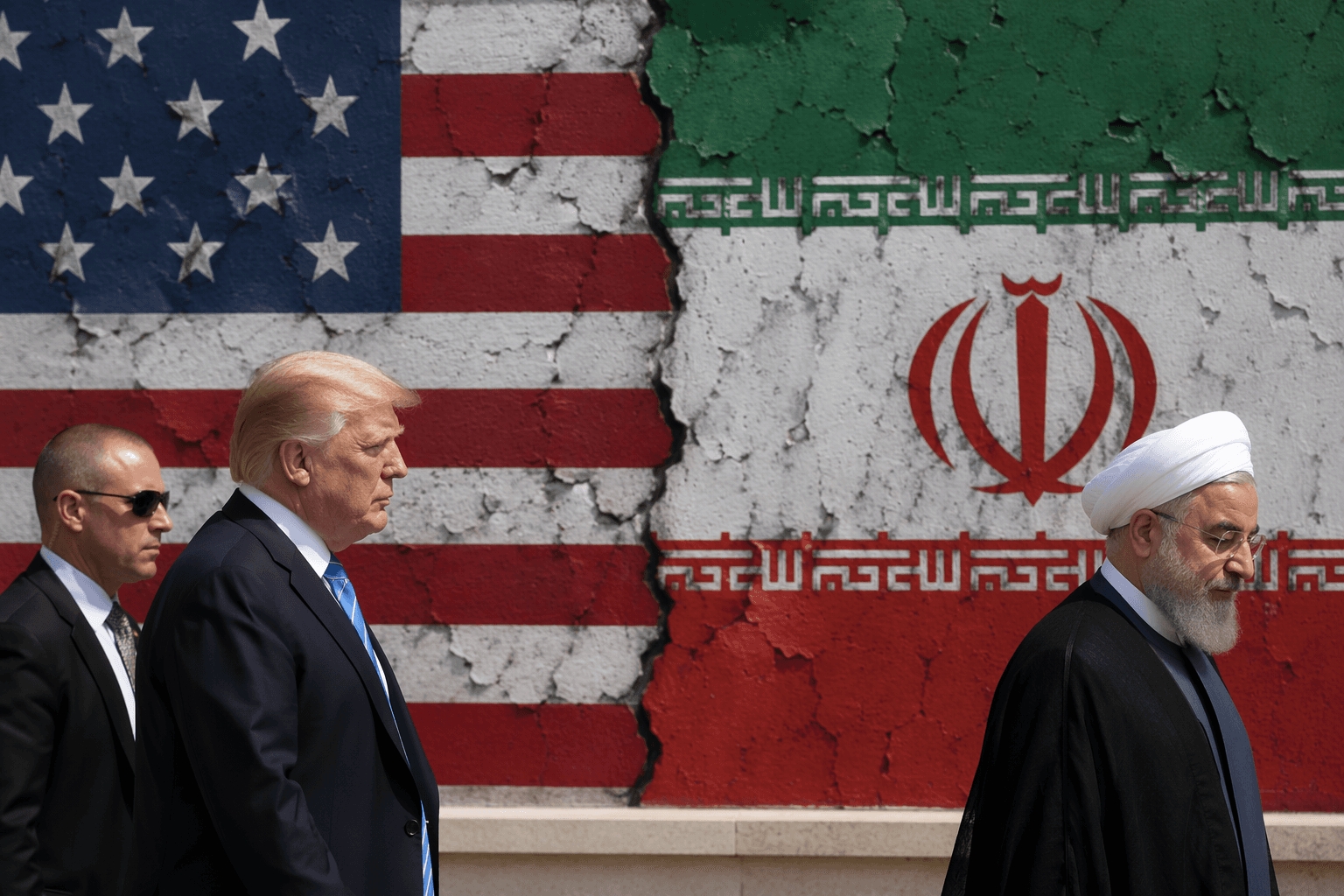
The stakes extend well beyond the negotiating table. Trump said on May 23 that a deal was “largely negotiated” after calls with leaders in Saudi Arabia, the United Arab Emirates, Qatar, Pakistan, Turkey, Egypt, Jordan and Bahrain, but said final points were still being discussed. The broader war has already killed thousands and driven global energy prices sharply higher, with repeated strikes and counterstrikes unsettling shipping around the Strait of Hormuz, one of the world’s most important oil transit routes.
Markets moved on the latest wave of optimism, with U.S. stocks rising and oil prices falling. That reaction suggested investors saw a reduced risk of escalation, but it did not prove a settlement was real. The clearest test will be whether a written memorandum emerges with enforceable terms, named signatories and explicit language on sanctions, nuclear restrictions and shipping through the strait. Until then, Trump’s push and Tehran’s denials still look like leverage in motion, not a finished peace.
This article was produced by Prism’s automated news system from verified source data, official records, and press releases, then run through automated quality and moderation checks before publishing. The system is built and supervised by the people who set the standards it runs under. Read our full AI policy.
Know something we missed? Have a correction or additional information?
Submit a Tip