Switzerland rejects U.S. forced-labor findings as tariffs loom
Switzerland pushed back as Washington moved toward tariffs of 10% to 12.5% on forced-labor grounds, sharpening a fight over trade rules and credibility.
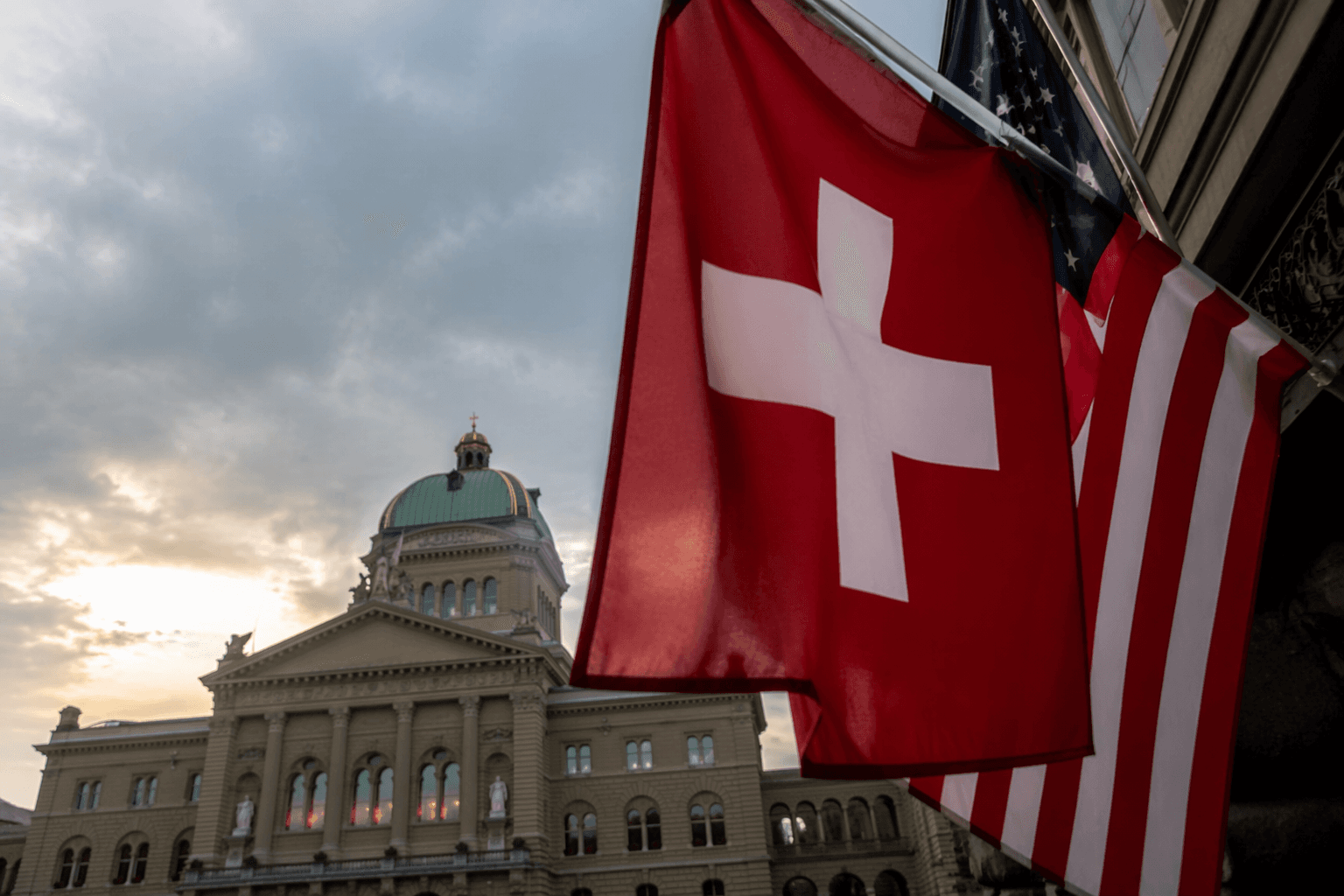
Switzerland rejected a U.S. finding that its labor and import practices justified new tariffs, deepening a clash that now links human-rights enforcement with trade diplomacy. The Swiss economy ministry said U.S. industry was not being harmed by Switzerland’s practices, and the government said it still wanted a long-term bilateral accord with Washington.
The dispute landed as the U.S. Trade Representative proposed additional duties of 10% or 12.5% on imports from 60 economies that the agency said had failed to curb goods made with forced labor. Switzerland was slated for the higher 12.5% rate, while the European Union would face 10%, a sign that Washington was differentiating among partners based on their forced-labor import rules. USTR said countries with a forced-labor import prohibition, a commitment to one through an agreement, or a partial regime could receive the lower rate; others would face 12.5%.
The action escalated quickly. USTR launched the 60 Section 301 investigations on March 12, then on June 2 said the practices of the targeted economies were “unreasonable” and burdened U.S. commerce. The agency also set a July 6 deadline for written comments and July 7 public hearings. Jamieson Greer said the failure to address forced-labor goods was unacceptable and created an “unlevel playing field” for American workers.

The proposal carries broader legal and economic stakes because it follows the Supreme Court’s February ruling striking down most of Trump’s earlier emergency tariffs, and administration officials have cast the new forced-labor duties as part of an effort to rebuild that tariff structure. USTR also proposed a separate textile mechanism that would let some apparel and textile imports enter at reduced tariff rates. For Switzerland, the risk is not just a higher levy on its exports but a sharper test of how far the United States can use labor standards to police supply chains while pressing allies to tighten their own import controls.
This article was produced by Prism’s automated news system from verified source data, official records, and press releases, then run through automated quality and moderation checks before publishing. The system is built and supervised by the people who set the standards it runs under. Read our full AI policy.
Did this article answer your question?