Switzerland seeks fire treatment refunds from Italy, sparking outrage
Switzerland is seeking more than CHF100,000 from Italy for fire-treatment costs, but the invoices were only copies and families were told they would not pay.
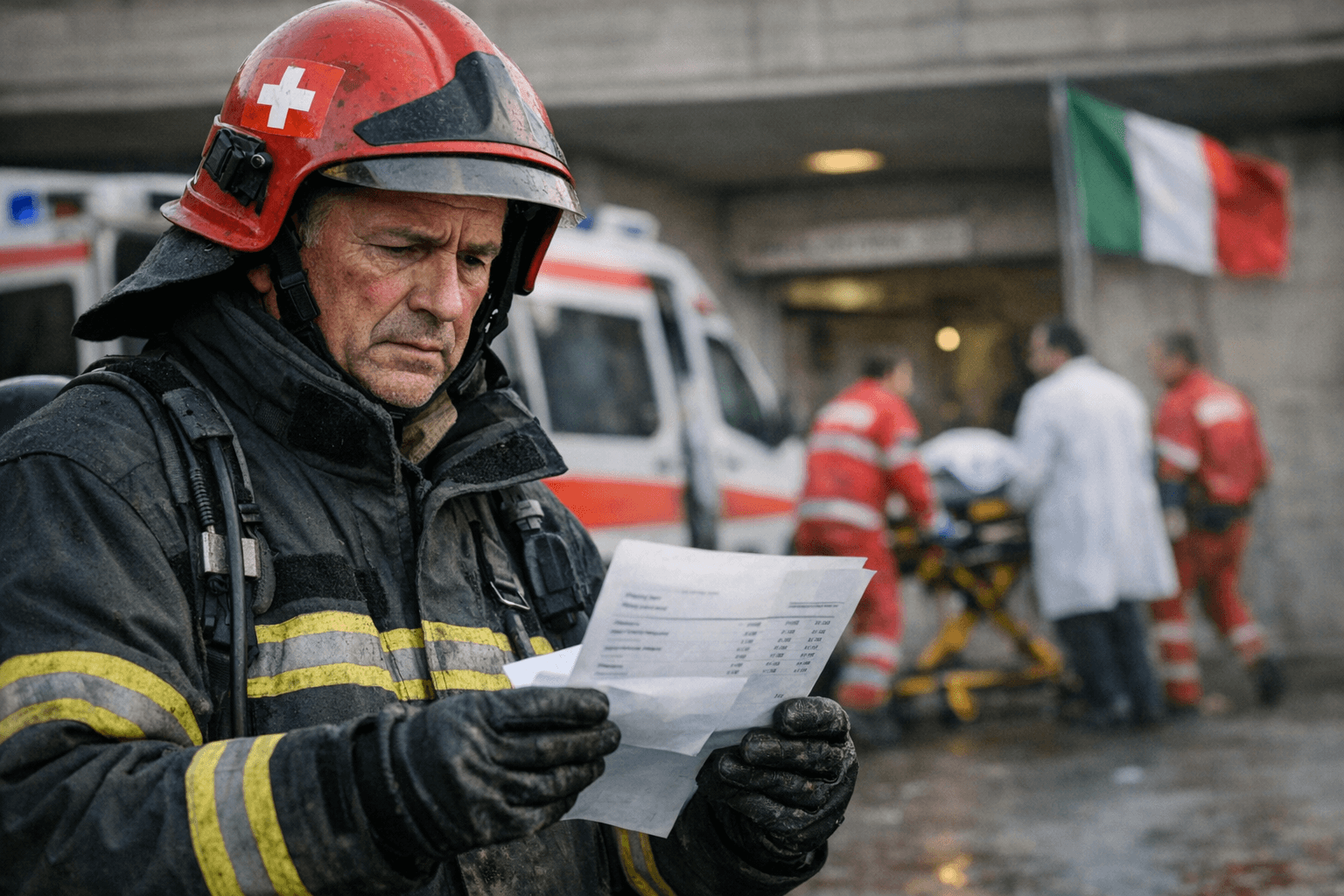
Switzerland’s push to recover medical costs from Italy has turned a deadly ski-resort fire into a dispute over who should bear the price of cross-border rescue. The fight now centers on whether humanitarian treatment for foreign nationals is a shared responsibility between governments and insurers, or a bill that can become a diplomatic insult.
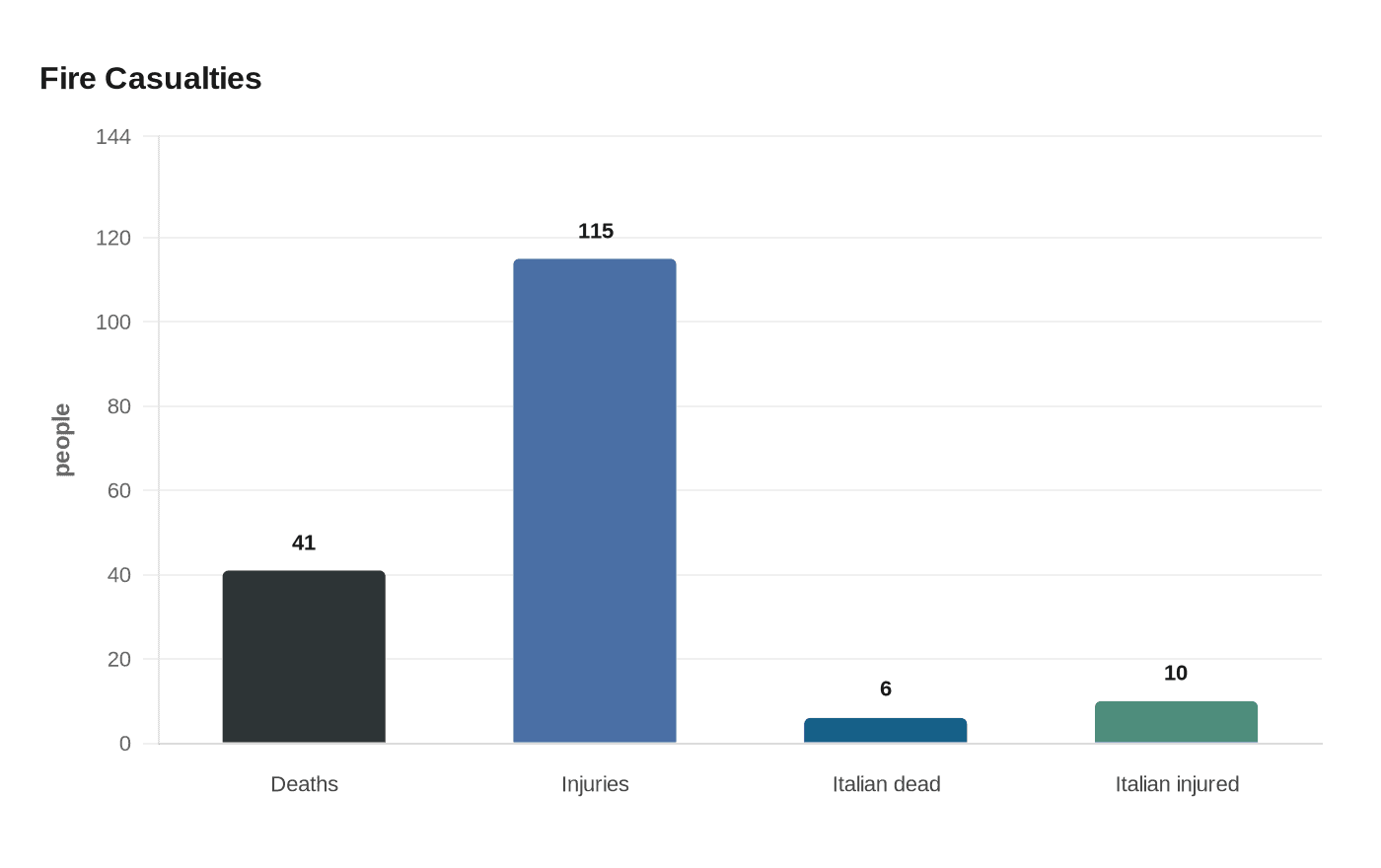
The case stems from the fire at Le Constellation bar in Crans-Montana, Valais, which broke out around 1:26 to 1:30 a.m. during New Year celebrations on January 1, 2026. Swiss reporting said 41 people died and 115 were injured, with six of the dead Italian nationals and ten Italians among the wounded. Investigators said the blaze likely began when sparklers attached to champagne bottles came too close to the ceiling, and they also examined whether acoustic insulation foam helped the flames spread.
Swiss officials say the refunds sought from Italy are part of the ordinary framework that governs treatment for nationals of European Union member states. The Swiss Federal Social Insurance Office said the costs should be charged to the relevant foreign health insurer under existing agreements between Switzerland and EU countries. In one account of the dispute, Switzerland is seeking more than 100,000 Swiss francs, about $127,000, for four Italian nationals treated for one day at Sion hospital.
That accounting fight has been made more explosive by the way the paperwork reached victims’ families. Swiss and cantonal officials said the Italian patients hospitalized in Valais would not be charged personally, and that the invoices sent out were copies for information and verification. The three invoices discussed in Swiss reporting ranged from CHF17,000 to CHF66,800, and they were forwarded to the Joint Organisation KVG to coordinate with Italian insurers and liaison bodies. Officials also said the families had already been told in writing between late February and early March that they would not have to pay the invoices themselves.
Rome has nonetheless treated the move as a political provocation. Giorgia Meloni called it “disgraceful” and said Italy would reject it if the request were made formally. The outrage landed in a relationship already strained by the fire: Italy recalled its ambassador on January 24, 2026, after the release on bail of Jacques Moretti, the bar’s co-owner, before later sending Ambassador Gian Lorenzo Cornado back to Bern through further diplomatic contact.
The broader precedent matters well beyond Valais. Italy sent a civil protection helicopter to help with rescue operations without billing Switzerland, while some Swiss victims were treated for months at Niguarda hospital in Milan. That reciprocity is now at the center of a larger question for Europe’s emergency systems: when disaster crosses a border, does care remain an act of solidarity, or does it quickly become an invoice?
This article was produced by Prism’s automated news system from verified source data, official records, and press releases, then run through automated quality and moderation checks before publishing. The system is built and supervised by the people who set the standards it runs under. Read our full AI policy.
Did this article answer your question?


