Synth Gems 1, A Photographic Guide to Vintage Synthesizers
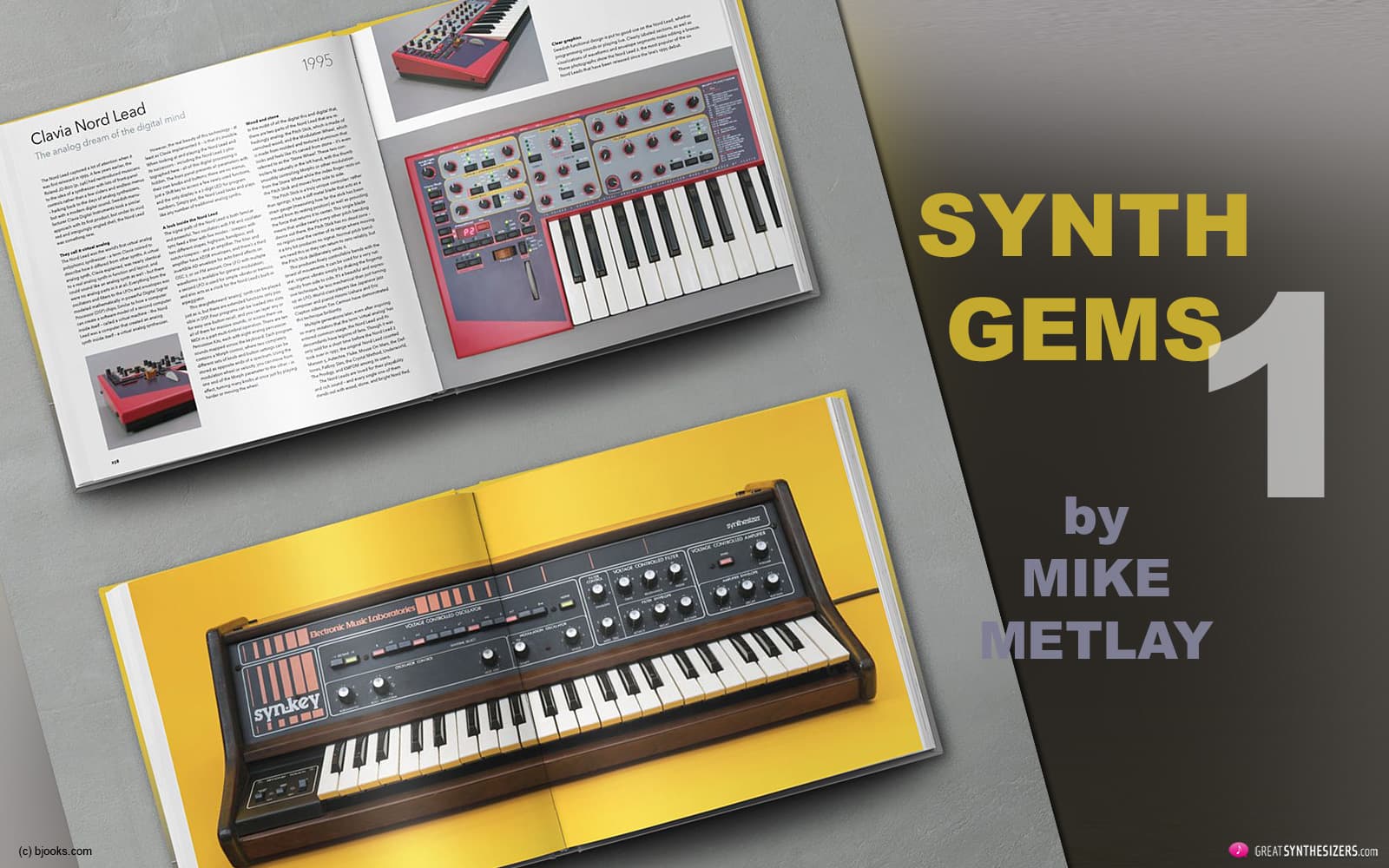
This article breaks down what makes Synth Gems 1 an essential visual reference for collectors, restorers, researchers, and players interested in vintage synths. You will learn the book’s key features, signature instruments covered, practical value for the community, and why the photographic and editorial approach matters.
1. Foreword by Vince Clarke
The book opens with a foreword by Vince Clarke, a respected figure in synth-driven pop and electronic music. His involvement gives the project immediate credibility within the synth community and signals that the editorial team understands the instruments’ musical and cultural context. That opening frames the photos and writeups that follow and helps connect technical detail to practical usage and history.
2. Documentation of over 60 vintage synthesizers
Synth Gems 1 includes information and images of over 60 vintage synthesizers, making it a broad survey rather than a narrowly curated list. At 320 pages in a 9.8" x 9.8" hardcover format, the book provides ample space for clear photography alongside concise captions and technical notes. For collectors and restorers the breadth is useful for comparing panels, I/O, and cosmetic details that help with provenance, parts matching, and valuation.
3. Over 300 colour photographs spanning synth history
More than 300 color photos are a core selling point, and they’re presented large enough to show front panels, knobs, ports, and chassis detail. These images help you identify production variations, cosmetic wear patterns, and control layouts without relying solely on auction photos or cramped online thumbnails. Visual clarity makes the book a practical visual reference at meetups, repair benches, and when assessing a buy in person.
4. Minimoog
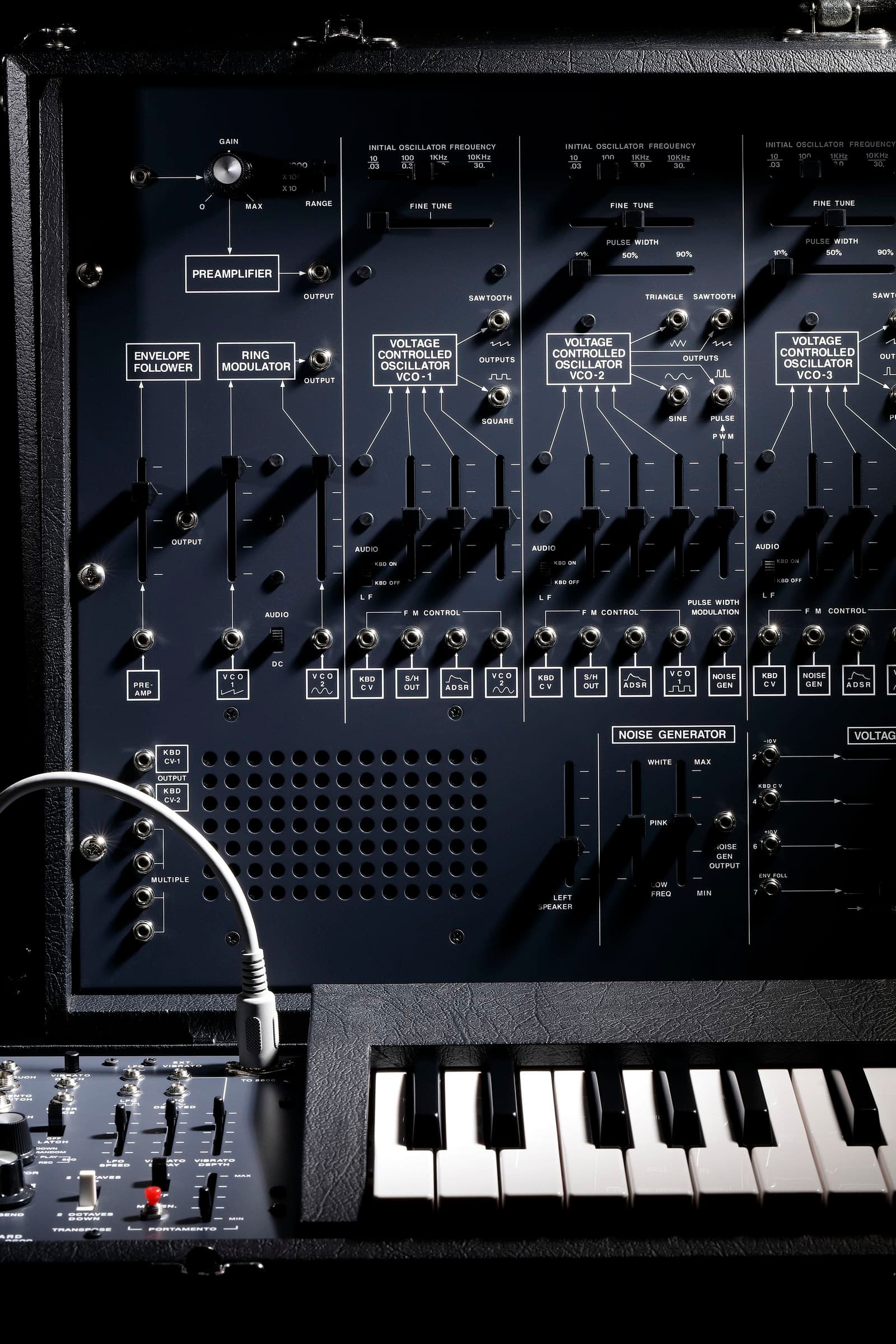
The Minimoog is one of the classics featured, showcased visually and editorially for its role as a performable, portable monosynth that shaped electronic bass and lead sounds. The book’s photos capture the iconic panel design and typical wear patterns that help you spot original components versus later modifications. Commentary situates the Minimoog within music history and explains why its interface still influences modern hardware and software synth design.
5. Roland Jupiter 8
Roland’s Jupiter‑8 appears as a highlight for its lush polyphonic voice architecture and stage‑ready layout, and the book documents its distinctive panel and keyboard features. Photos emphasize common service areas like the voice board access and connector rows, information that’s useful for techs and owners planning repairs or restorations. The editorial notes outline the Jupiter‑8’s sonic legacy in 1980s pop and why original examples are prized in communities and studios.

6. EDP Wasp
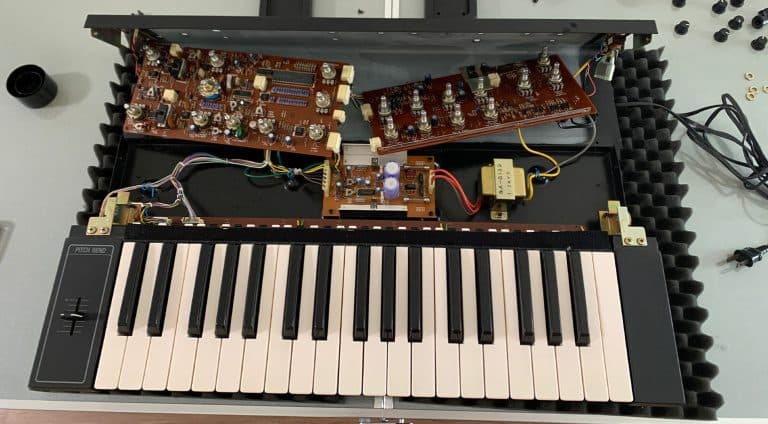
The EDP Wasp is presented as an offbeat British classic with an immediately recognizable look and experimental voice. High-resolution photos expose the unusual slider layout and internal construction cues that help you authenticate originals versus clones or replicas. The writeup explains its DIY-friendly reputation and the Wasp’s appeal to experimental players and boutique builders in the vintage synth community.
7. Korg Poly 800
Korg’s Poly‑800 gets coverage as an affordable 1980s polyphonic option that introduced many players to programmable sounds on a budget. The book captures the characterful panel, cartridge and memory areas, and common modification points you’ll want to note when buying or restoring one. Community relevance comes from the Poly‑800’s role as a gateway instrument; many collectors and modders regard it as fertile ground for upgrades and creative hacks.
8. Visually driven retrospective with annotated commentary on musical roles
The book’s editorial approach ties photographs to short annotations that explain each instrument’s role in music history and practical use cases. That pairing is useful for curators, collectors, and anyone documenting provenance because it links visual evidence to functional and historical context. You can bring the book to a swap meet, use it as a quick-reference on the workbench, or consult it when building exhibition text or provenance documentation for a sale.
Sources:
Know something we missed? Have a correction or additional information?
Submit a Tip