Syria to attend G7 summit in France for first time since 1975
Syria is set to enter a G7 summit for the first time since 1975, with Ahmed al-Sharaa invited as France tests how far reintegration can go.

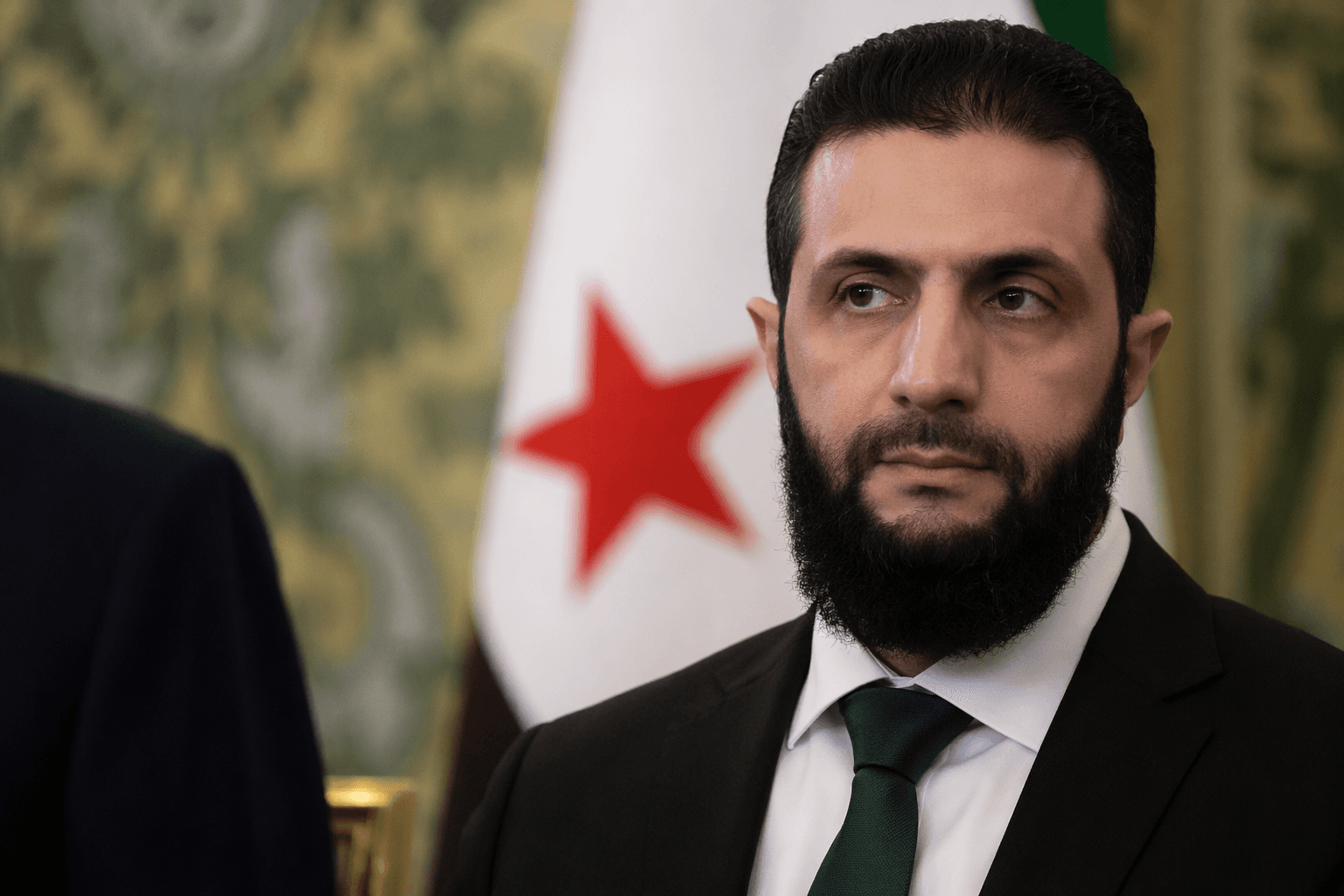
Syria is set to take a seat at the G7 summit in France next month as a guest nation, with President Ahmed al-Sharaa expected to represent Damascus at the June 15-17 gathering in Évian-les-Bains. If the invitation holds, it will be Syria’s first participation in a G7 summit since the group was founded in 1975, a striking sign that major powers are reassessing how far isolation can still shape policy toward a postwar Syria.
The outreach is being led by France, where President Emmanuel Macron is expected to host the summit in southeastern France. The choice of Évian-les-Bains, which last hosted a major G7 or G8 meeting in 2003, gives the gathering a familiar setting for diplomacy. But the decision to include Syria points to a different calculation: whether engagement now serves regional stability better than continued exclusion.
That shift is already visible in the way Syria is being drawn into parallel economic talks. Syrian finance minister Yisr Barnieh was expected to take part in a closed-door G7 finance session in Paris focused on Syria’s sustainable recovery and reintegration into the global financial system. The language matters. It suggests the discussion is no longer limited to humanitarian relief or ceasefire management, but to whether Syria can re-enter financial and trade structures after years of war and sanctions.
The invitation also arrives as regional security pressures give Syria new strategic weight. Reporting around the summit has pointed to Syria’s possible role as a supply-chain hub after the closure of the Strait of Hormuz, linking diplomatic normalization to energy, shipping and reconstruction planning. In that context, the outreach looks less like a ceremonial gesture than an attempt to position Syria inside the broader architecture of post-conflict regional recovery.
Western governments are already moving in that direction, even if cautiously. British Prime Minister Keir Starmer met al-Sharaa in London on March 31, 2026, calling it an important moment in UK-Syria relations. The UK said it had announced more than $9.5 million in additional funding in direct support of Syrian-led destruction activity during the visit. The European Union lifted its economic sanctions on Syria in 2025, restored the full application of its cooperation agreement on May 11, 2026, and on May 18 renewed restrictive measures targeting the former al-Assad regime while removing seven entities, including the defense and interior ministries, from the sanctions list.
The underlying transition remains unresolved. UK guidance published in April 2026 said Bashar al-Assad was toppled in the November-December 2024 rebel offensive led by Hayat Tahrir al-Sham, and that al-Sharaa has led Syria since then. That makes the G7 invitation more than symbolic. It is a test of whether the world’s leading democracies are prepared to treat Syria’s new authorities as part of the regional order, or only as a necessary stopgap while the post-Assad future remains unstable.
Know something we missed? Have a correction or additional information?
Submit a Tip