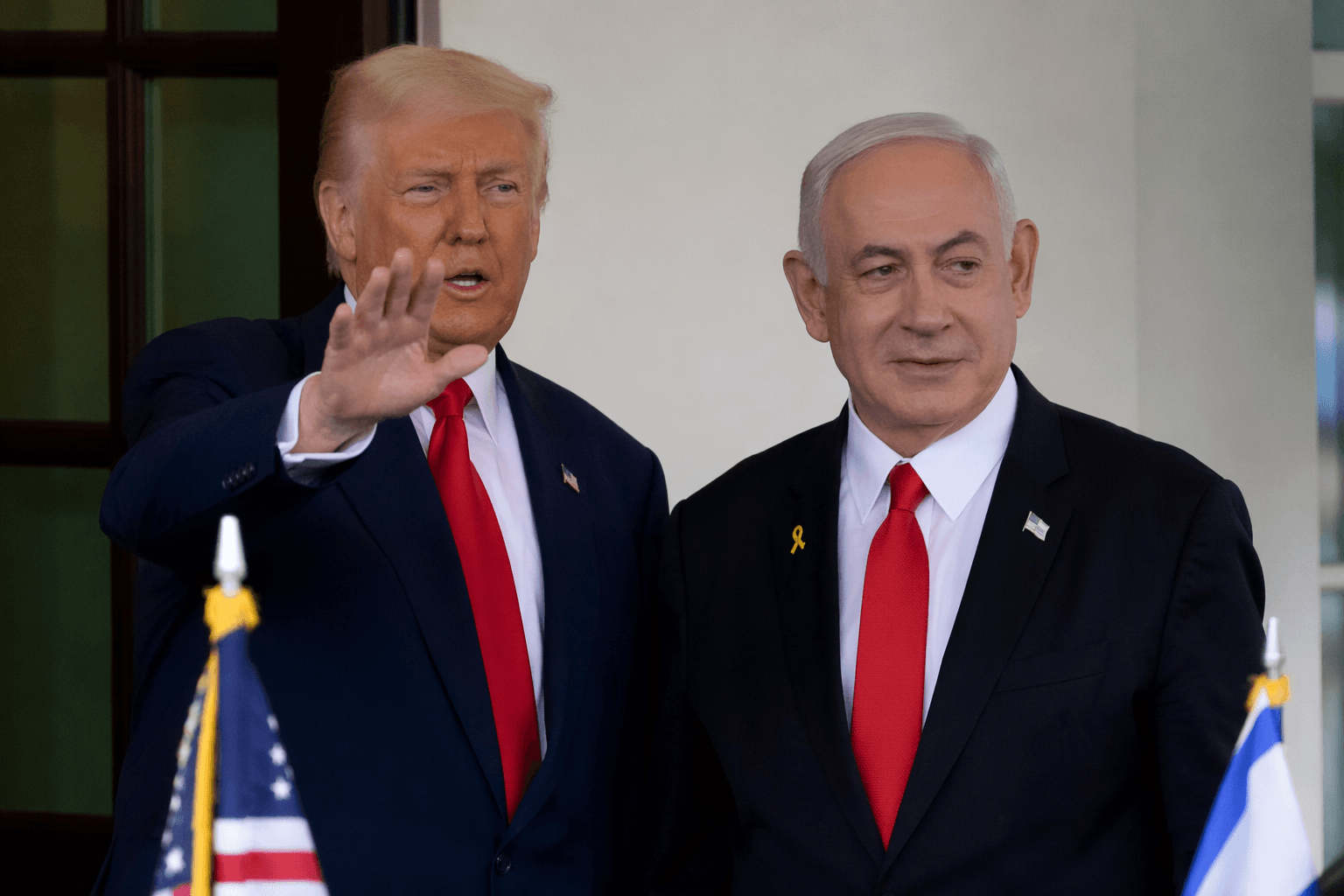
Trump administration threatens Palestinian UN visas over assembly bid
Washington threatened Palestinian UN visas unless Riyad Mansour drops a vice-presidency bid, escalating a fight over Gaza, UN access and U.S. leverage.

The Trump administration threatened to revoke the visas of the Palestinian delegation to the United Nations unless Palestinian ambassador Riyad Mansour abandons his bid for a vice-presidency of the U.N. General Assembly, a move that turns a procedural UN post into a pressure point in Washington’s Gaza diplomacy.
An internal State Department cable dated Wednesday told U.S. diplomats in Jerusalem to deliver the message, according to the reporting. The cable said Mansour’s candidacy would “fuel tensions” and could undermine Trump’s Gaza peace plan, signaling that the administration was prepared to use visa sanctions as leverage if the Palestinian bid moved forward.
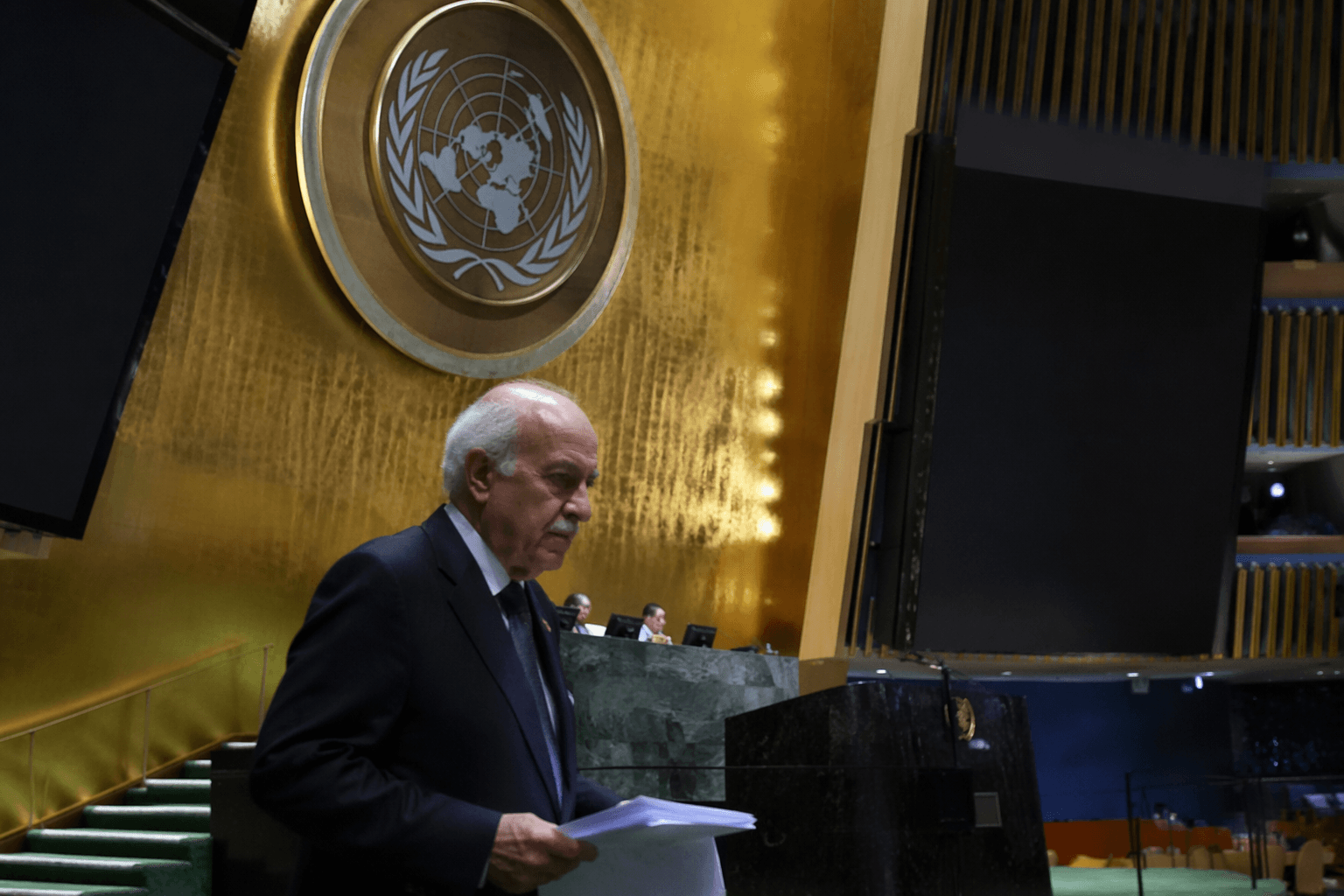
The vice-presidency election is scheduled for June 2, giving the standoff a tight deadline. The timing also matters because the General Assembly’s General Committee for the 80th session is made up of the Assembly president, 21 vice-presidents and the chairpersons of the six main committees, making the vice-presidency part of the chamber’s internal steering structure rather than a purely ceremonial honor.
Mansour, who has served as Palestine’s Permanent Observer to the United Nations since 2005, has been one of the most visible Palestinian diplomats at the UN during the war in Gaza. He previously served as deputy permanent observer from 1983 to 1994, and Palestinian and UN-related sources say the mission’s status changed in 2012 from an “entity” to a non-member observer state.
The threat also echoed a prior clash over Palestinian access to the United Nations. In August 2025, the State Department revoked or denied visas for Mahmoud Abbas and about 80 other Palestinian officials before the General Assembly, while saying representatives assigned to the Palestinian Authority mission at the UN would still receive waivers so they could continue operating in New York. That earlier step drew objections from Palestinian officials and international-law critics who said it conflicted with the UN headquarters agreement.
The current dispute reaches beyond one vote. If Washington follows through, it would deepen friction with Palestinian officials and with governments that support wider Palestinian participation in multilateral institutions. If the pressure succeeds, it would show that even a vice-presidential seat in the General Assembly can become a bargaining chip in a broader struggle over Gaza, diplomacy and the boundaries of U.S. power inside the United Nations.
Know something we missed? Have a correction or additional information?
Submit a Tip