Syrian government, SDF agree to stand down after Aleppo clashes
Syrian government forces and the Kurdish-led Syrian Democratic Forces announced a mutual de-escalation on December 22 after a fresh round of clashes in northern Aleppo that left civilians dead and others wounded. The halt reduces immediate risks of urban combat, but underlying political disputes over SDF integration and external pressure from Turkiye leave the arrangement fragile and the economic prospects for reconstruction uncertain.
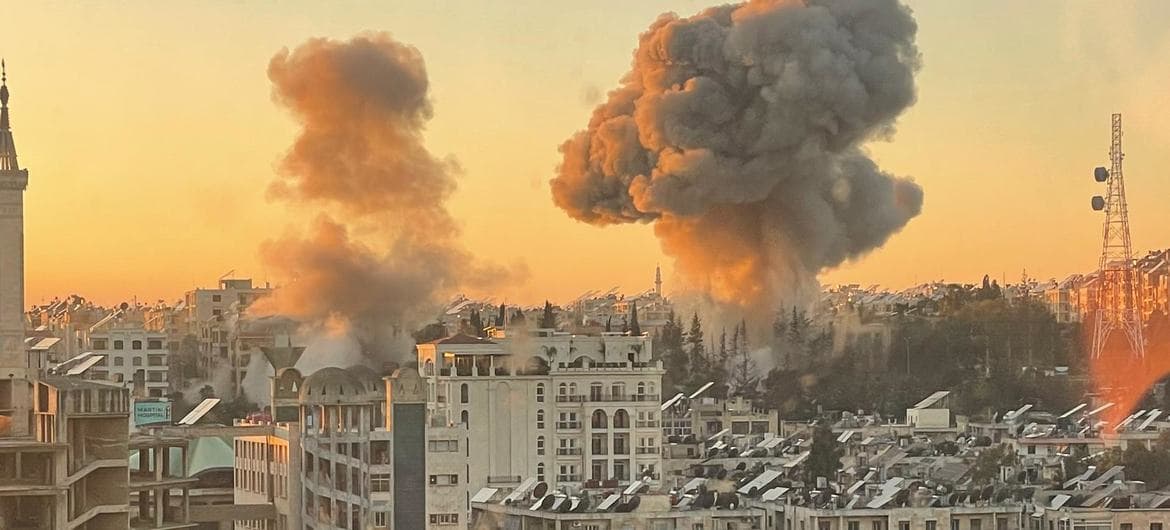
Syrian government forces and the Kurdish-led Syrian Democratic Forces issued parallel orders on December 22 instructing their fighters to stand down, ending a brief but violent flare up in northern Aleppo that killed civilians and wounded others. State media cited the defence ministry as directing the army to stop targeting SDF fire sources, while the SDF said it had instructed fighters to stop responding to attacks following contacts that produced the de-escalation.
Accounts of casualties varied across reports, with several outlets citing at least two civilians killed and multiple wounded, while others recorded one fatality and four injured. Local health authorities quoted by state media gave inconsistent totals. Kurdish and local security sources said fighting centred on the predominantly Kurdish Sheikh Maqsoud and Ashrafiya neighbourhoods and around the Shihan roundabout, a strategic junction between SDF and government controlled areas. Kurdistan24 and Internal Security Forces said a joint checkpoint at the Shihan roundabout was attacked, injuring two security personnel. The Syrian Observatory for Human Rights confirmed clashes and warned the renewed violence undermined an already fragile security environment.
Field reports showed both sides trading blame for initiating the fighting. Government outlets at times blamed armed opposition groups for incidents near frontline boundaries, while Kurdish and independent monitors described direct confrontations between Syrian army units and SDF elements. Neither side publicly accepted sole responsibility and multiple sources emphasised a broader breakdown in trust that has grown since a tentative integration effort was struck in March.
That March agreement, reported as involving President Ahmed al-Sharaa and an individual identified as Abdi, was intended to bring SDF forces into state institutions and had approached a year-end integration deadline. The clashes represent a setback for that process at a moment when Turkish pressure is intensifying. Turkish Foreign Minister Hakan Fidan visited Damascus hours before the clashes and officials in Ankara have repeatedly warned that they view the SDF as a security threat and have pressed for commitments that Ankara says have not been honoured. Analysts say that external diplomatic pressure from Turkiye complicates Damascus–SDF negotiations and raises the prospect of renewed coercive measures.
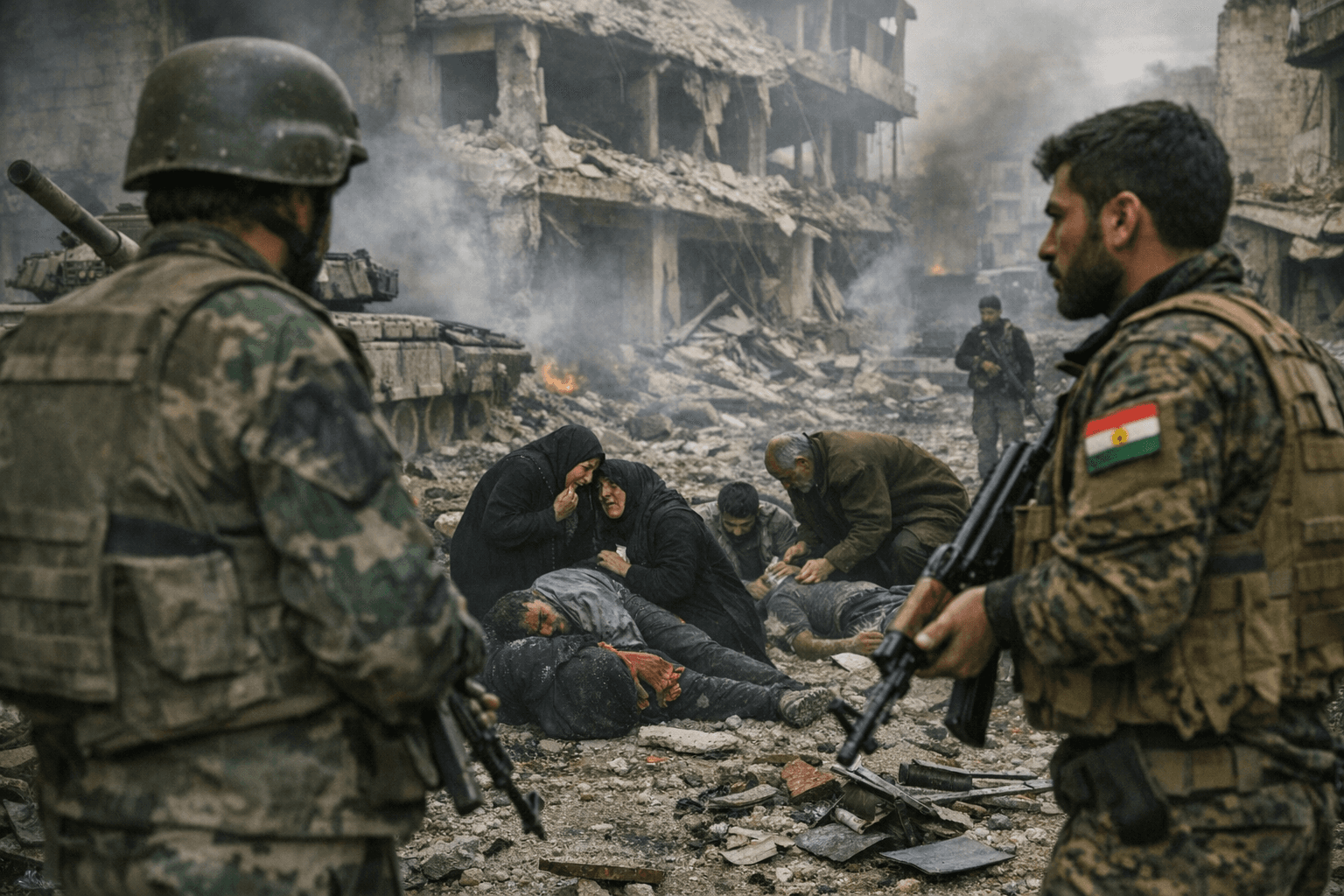
Beyond the immediate humanitarian toll, the incidents carry economic and policy implications. Northern Aleppo remains a commercial node whose stability matters for informal trade, local markets, and reconstruction planning. Any deterioration in security raises the political risk premium for potential reconstruction investors and further complicates the flow of humanitarian aid. The mutual halt reduces the probability of urban escalation in the short term, but the persistence of political impasses means that business and aid actors will likely remain cautious.
Independent monitors and local observers said the terms of the de-escalation remained limited to a stand down of active exchanges. Open questions include the exact casualty tally and the attribution of specific attacks, as well as the real status of the March integration commitments. For now the ceasefire is a tactical rollback rather than a strategic resolution. Diplomats, local authorities and monitors will be watching statements from the Syrian defence ministry and the SDF, health authority tallies, SOHR updates, and any shifts in Ankara’s posture that could rapidly alter the security and economic calculus in northern Aleppo.
This article was produced by Prism’s automated news system from verified source data, official records, and press releases, then run through automated quality and moderation checks before publishing. The system is built and supervised by the people who set the standards it runs under. Read our full AI policy.
Did this article answer your question?