Taco Bell Fuels Yum! Brands Q4 Revenue with 7% Same-Store Sales Gain
Taco Bell lifted Yum! Brands' recent quarter with about 7% same-store sales, a boost that could mean more hiring, operational shifts and franchise activity for frontline workers.
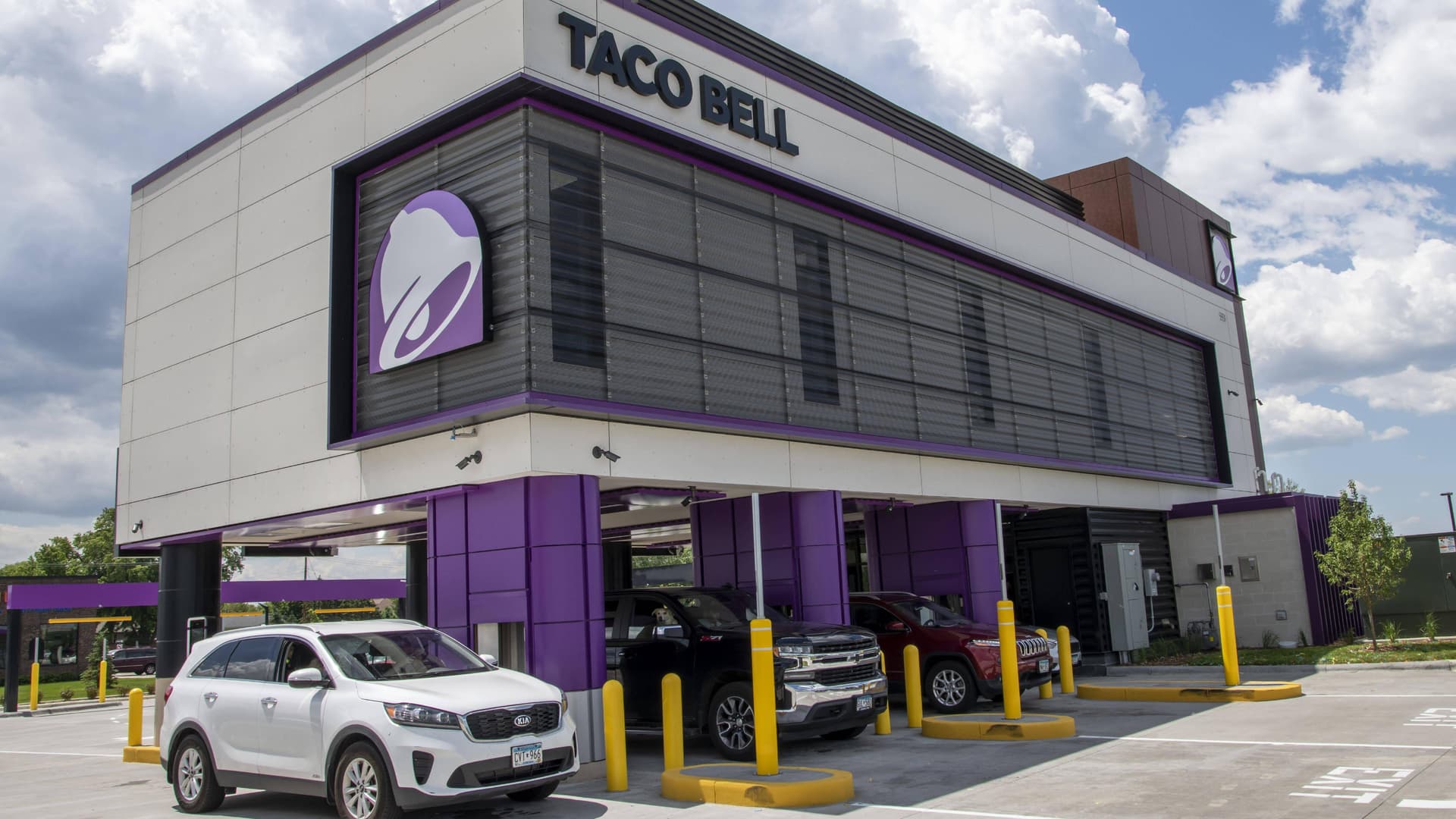
Yum! Brands said its recent quarterly results showed mixed earnings but stronger revenue, with Taco Bell identified as the primary growth engine after about a 7% same-store sales gain in the period. That performance matters to workers because it fuels store-level activity, acquisitions and an intensified focus on digital and off-premise operations that change day-to-day jobs for crew and managers.
The company’s track record going into the quarter underscores the trend. In third-quarter results released Nov. 4, 2025, Yum! Brands reported Taco Bell U.S. same-store sales up 7% and Taco Bell international same-store sales up 6% for Q3 2025. That quarter also produced GAAP EPS of $1.41 and EPS excluding special items of $1.58, while net income was $397 million and net sales rose 8% to $1.98 billion. Digital system sales reached $10 billion, representing roughly 60% of orders, a structural shift that is reshaping labor needs on the floor and in kitchens.
Taco Bell’s Q3 2025 division metrics show the scale of the business behind those numbers. System sales for Taco Bell were $4,368 million versus $4,008 million a year earlier, division restaurants grew to 8,816 from 8,594, and the division opened 74 gross new restaurants across 14 countries that quarter. Operating profit for the division was $267 million, up 7%, while operating margin edged down to 36.6%. U.S. company-owned restaurant margins improved to 23.9%, up 50 basis points year-over-year.
Corporate actions tied to Taco Bell’s strength carry workplace implications. Yum announced a purchase of 128 Taco Bell locations in the Southeast U.S., even as the company remains a largely franchised model with roughly 98% of restaurants franchised. Acquisitions and the mix between franchised and company-owned units can shift hiring, scheduling and management responsibilities for employees and regional leaders.
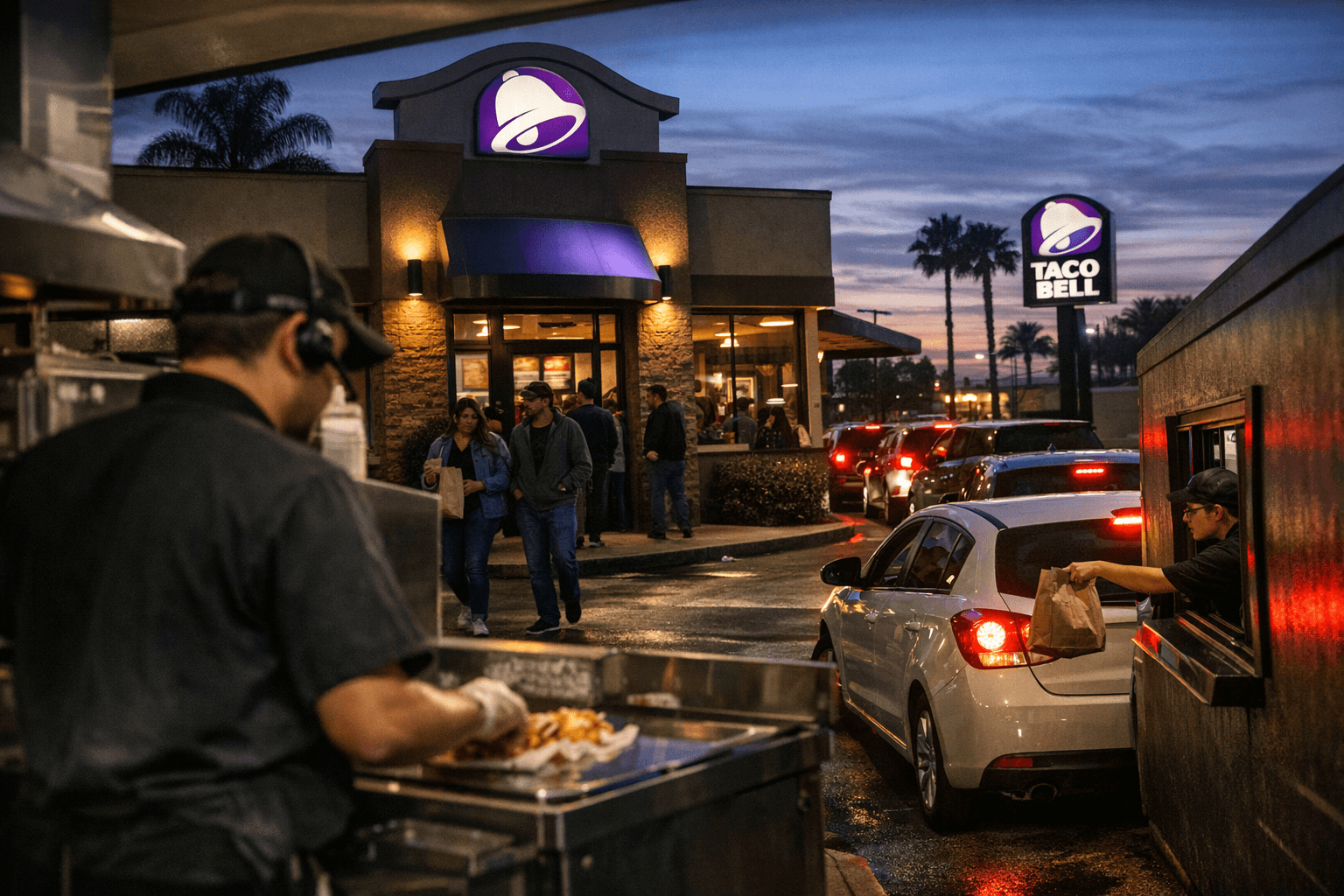
Channel changes that supported Taco Bell’s gains are also relevant to staff. Off-premise growth - including delivery and stronger drive-thru throughput - plus the heavy digital mix require more emphasis on order accuracy, speed and coordination with delivery platforms. An earlier earnings-period account credited delivery growth and menu moves such as the grilled cheese burrito and nachos party pack with lifting Taco Bell traffic; CEO David Gibbs said, “Taco Bell focused on building brand over time and sales overnight,” and added, “We also improved ease by expanding to aggregate marketplaces.” On consumer demand, Turner told CNBC, “We're not seeing consumer pull back in the Taco Bell business,” adding that U.S. consumers are “cautious, but incredibly resilient.”
For restaurant employees, the immediate effects are likely to look like steadier shift volumes at busier locations, investment in digital and drive-thru workflows, and potential staffing or management changes where Yum directly acquires stores. The company is also reviewing strategic options for Pizza Hut, a separate process that could reverberate across support roles and franchise operations.
As Yum! Brands moves from quarter to quarter, workers and franchisees should watch upcoming earnings disclosures and local communications for details on hiring, store transfers and training tied to digital and off-premise growth.
Know something we missed? Have a correction or additional information?
Submit a Tip