Taipei protesters decry cuts to Taiwan's defense spending plan
Hundreds rallied in Taipei after lawmakers trimmed a $40 billion defense plan, turning a budget fight into a test of Taiwan's resolve under Chinese pressure.
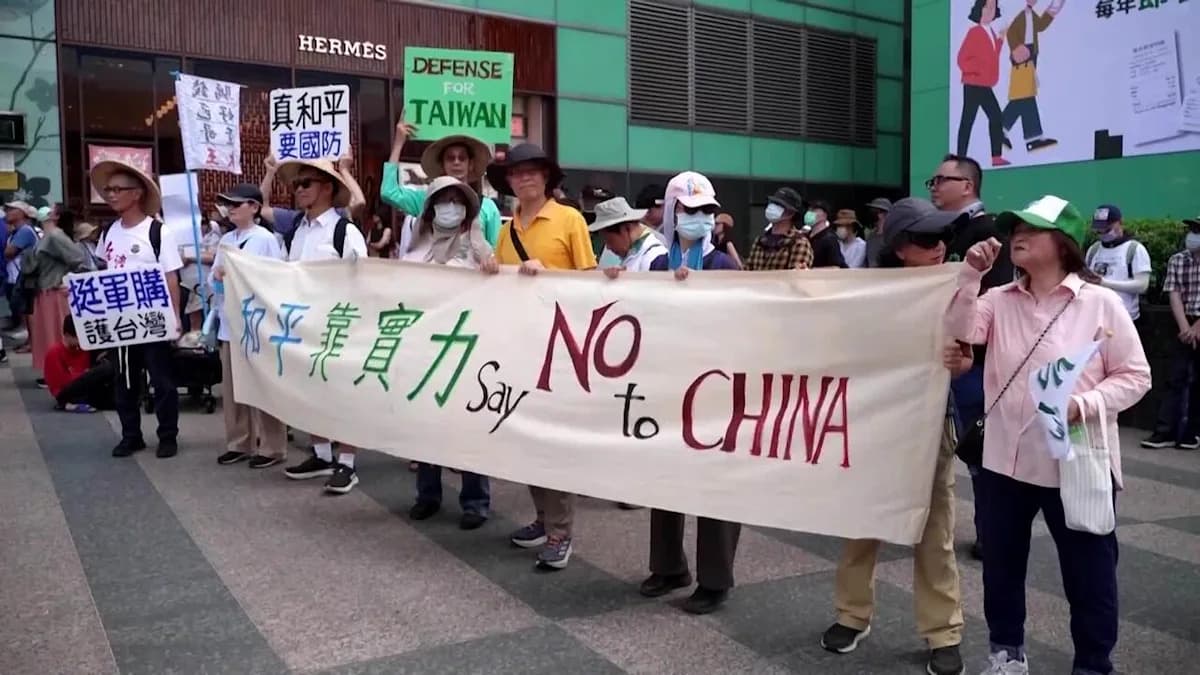
Hundreds of people gathered in Taipei on May 23 after parliament moved to scale back part of Taiwan’s defense spending plan, turning a budget dispute into a public test of whether the island can sustain deterrence under Chinese pressure. The legislature, controlled by the opposition, approved only about two-thirds of the roughly $40 billion supplementary package requested by President Lai Ching-te.
The plan had been designed to buy U.S. weapons and support systems built at home, including drones, which Lai has cast as part of a broader effort to make any Chinese attack harder to mount. The reduction immediately sharpened a larger political fault line in Taipei: how to scrutinize major public spending without weakening the message sent to Beijing about Taiwan’s readiness to defend itself.
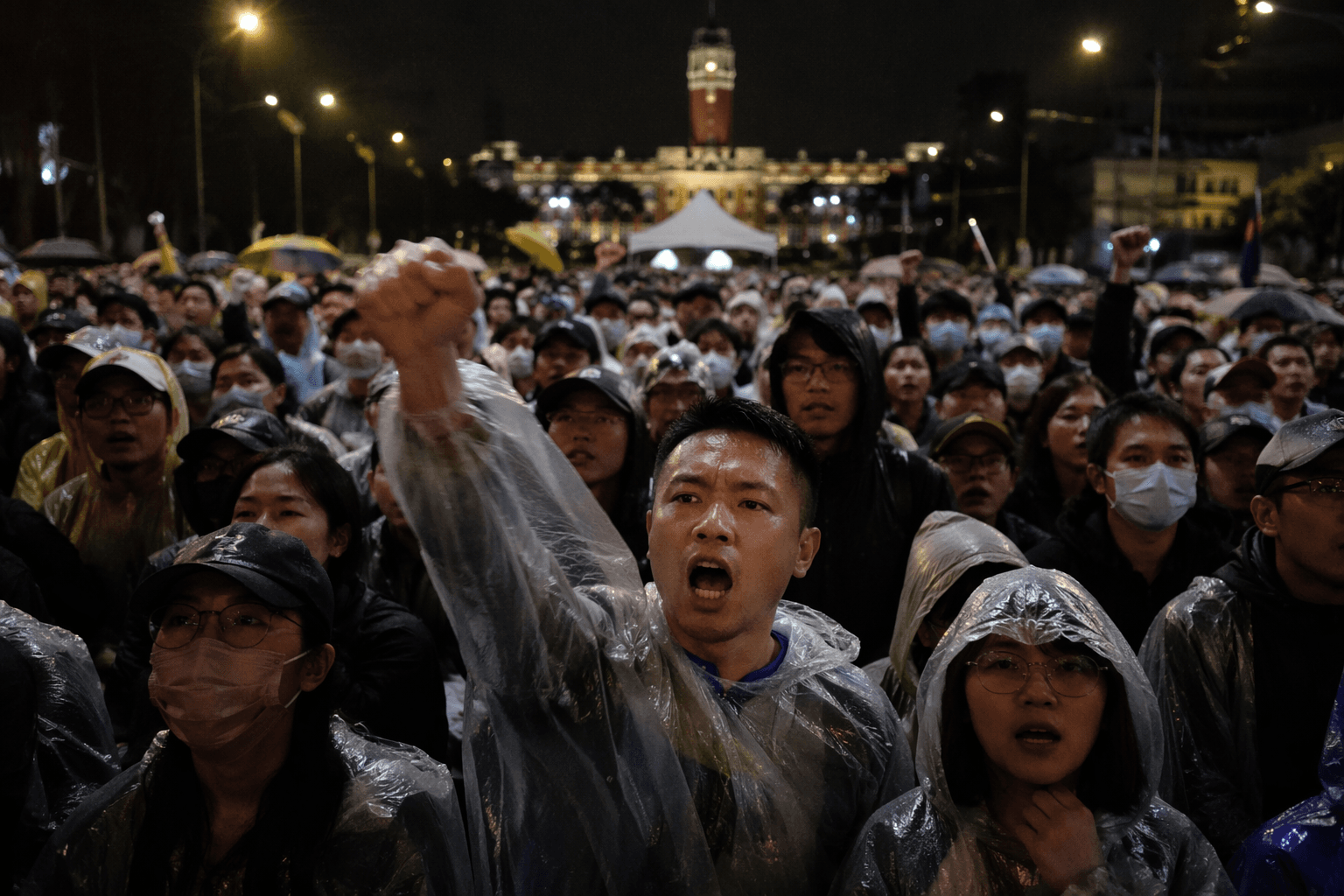
Opposition lawmakers argued that the government’s proposals were too vague and could leave room for corruption, while supporters of the budget said cutting back the package risks signaling hesitation at a moment when Beijing is intensifying pressure. On the streets, protesters waved flags and carried placards demanding that Taiwan show resolve, saying military drills and hostile rhetoric from Beijing would not shake public determination. The demonstration reflected a view shared by many backers of the package: that even relatively small budget decisions carry symbolic weight because they help define whether Taiwan looks prepared or divided.
The dispute also underscored a strategic debate inside Taiwan’s politics. The opposition has enough seats to shape the package and limited the spending to U.S.-origin equipment, a position that leaves fewer resources for local production and raises questions about how much Taiwan should lean on American arms versus domestic systems. That split matters beyond accounting. For Lai and his supporters, drones and other locally made defenses are part of building a more resilient military posture. For critics, fiscal oversight comes first.
The result is a familiar but increasingly urgent tension in Taipei. Defense spending has become one of the clearest measures of political will as Beijing continues to claim Taiwan as its own territory. With that backdrop, the budget fight was not only about how much to spend, but about how visibly Taiwan is willing to spend on its own survival.
This article was produced by Prism’s automated news system from verified source data, official records, and press releases, then run through automated quality and moderation checks before publishing. The system is built and supervised by the people who set the standards it runs under. Read our full AI policy.
Did this article answer your question?