Taipei rally backs higher defence spending amid China pressure
Hundreds rallied in Taipei as lawmakers approved only part of Lai Ching-te’s $40 billion defence plan, exposing the gap between slogans and funding.

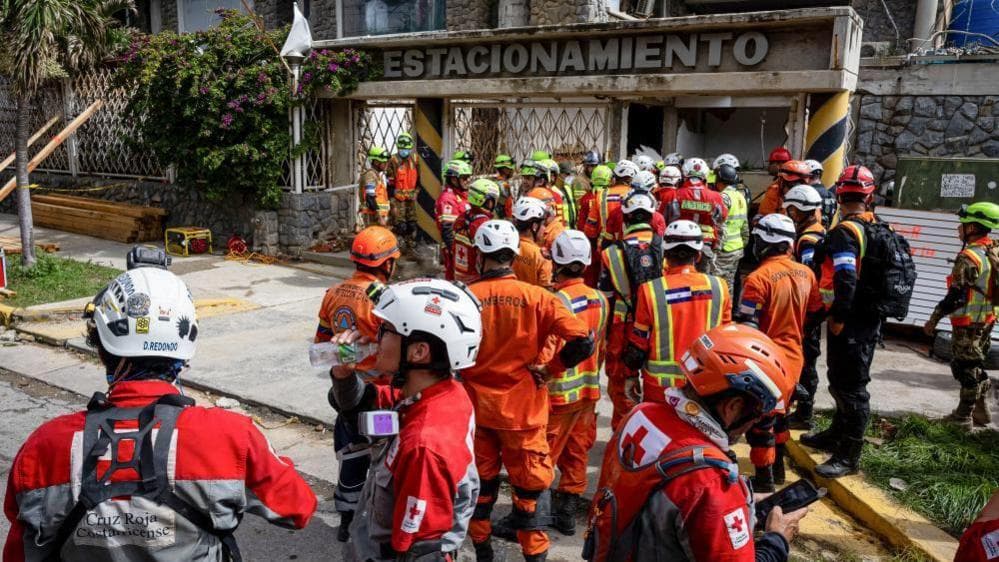
Hundreds of people gathered in central Taipei on Saturday to press Taiwan’s leaders to spend more on defence, turning a public rally into a test of whether the island’s politics are matching the threat from China. Protesters waved flags and shouted slogans as they backed President Lai Ching-te’s push for stronger military funding after the opposition-controlled legislature approved only part of his request.
The legislature passed a NT$780 billion special defence budget on May 8 in a 59-0 vote with 48 abstentions, far short of the NT$1.25 trillion plan Lai unveiled in late November 2025. The package runs through 2033 and covers NT$300 billion for U.S. arms already approved on December 17, 2025, plus NT$480 billion for a future U.S. arms package. The original proposal also would have funded domestic defence projects, including drones and other asymmetric systems, and could have lifted defence spending to about 3.3 percent of gross domestic product in 2026.

The political split is as important as the money. Taiwan’s 113-seat Legislative Yuan is controlled by the Kuomintang and the Taiwan People’s Party, and the opposition says it supports defence spending in principle but will not sign blank cheques. In southern Taiwan, Kuomintang chairwoman Cheng Li-wun said no one wanted war and argued the island should invest in peace rather than push the next generation into fighting. After the vote, she said the KMT-TPP alliance had protected the legislature’s constitutional power over budgets and denied that the bill was meant to cap arms procurement.

At the rally, Wang Hsing-huan, chairman of the Taiwan Statebuilding Party, told the crowd that “true peace requires national defence,” arguing that Taiwan could secure its freedom only by strengthening its military. Civil engineer Angela Yen said Taiwan needed to protect itself against China’s expansion and insisted that Taiwan and China were “two different countries.” Their message reflected a broader civic concern that symbolic support for security is no substitute for the harder choices over spending, readiness and tradeoffs.
Those tradeoffs are now central to the next round of debate. Taiwan’s Ministry of National Defense says excluding projects such as the Chiang Kung, or Strong Bow, anti-ballistic missile system, which is intended to form the backbone of the new T-Dome air-defence network, would create “capability gaps” and could severely affect air-defence combat effectiveness. U.S. officials have also pressed Taipei to move faster, with a State Department spokesperson warning that further delays would amount to a “concession” to the Chinese Communist Party.
The rally showed how defence policy has become one of Taiwan’s sharpest domestic fault lines. Beijing’s military and political pressure remains constant, and the question in Taipei is no longer whether the threat is real, but whether public backing for deterrence is keeping pace with the price of building it.
This article was produced by Prism’s automated news system from verified source data, official records, and press releases, then run through automated quality and moderation checks before publishing. The system is built and supervised by the people who set the standards it runs under. Read our full AI policy.
Did this article answer your question?