Taiwan condemns China after New York Times reporter expelled
Taiwan said Beijing used a reporter's expulsion to pressure media and police the narrative around Lai Ching-te and the island's legitimacy.

Taiwan’s presidential office said China turned a single interview into a political warning shot after Vivian Wang, a New York Times reporter, was expelled from the country in February following the newspaper’s December 2025 video interview with President Lai Ching-te.
Chinese officials linked the expulsion to the DealBook Summit appearance even though Wang did not take part in the interview. Lai’s session with the newspaper covered Taiwan’s defense, cross-strait relations, Taiwan-U.S. relations, the Russia-Ukraine war and semiconductors, all topics Beijing treats as sensitive because it rejects Taiwan’s separate political status and calls Lai a separatist.
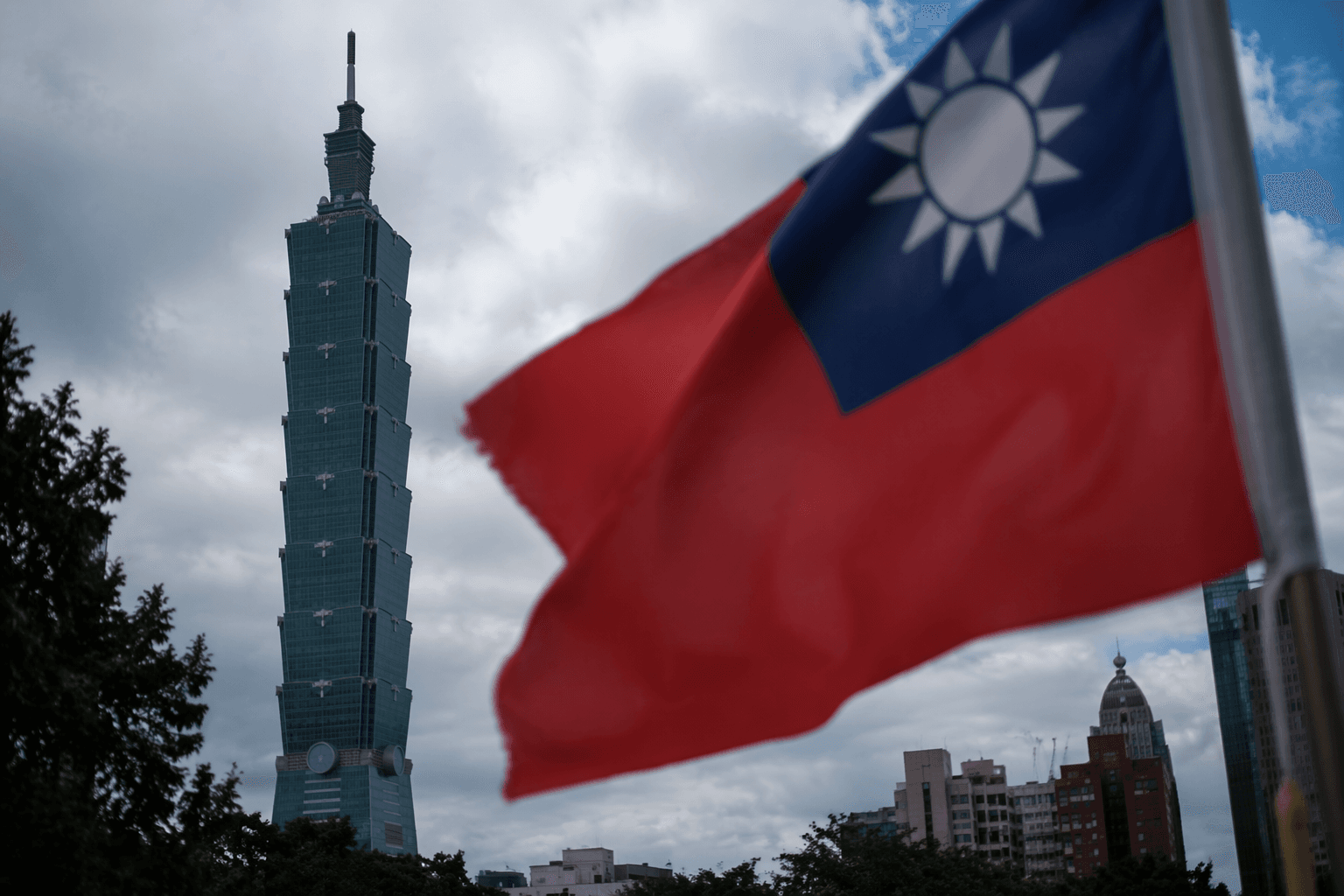
Karen Kuo, a spokesperson for Taiwan’s presidential office, said Lai regularly gives interviews to explain the government’s position and that Taiwan would not be silenced by oppression. Taipei cast the move as part of a broader pattern of Chinese pressure on foreign media and an attempt to shape how Taiwan is portrayed outside the island.
The dispute goes beyond press freedom. Taiwan said Beijing used groundless pretexts and crude methods to threaten the media and interfere with press freedom, language that reflects a larger struggle over who gets to define Taiwan’s place in the world. For Taipei, the expulsion is another sign that Beijing is trying to control the narrative around cross-strait tensions at the same time it is intensifying what Taiwan calls transnational repression, including sanctions on Taiwanese officials and lawmakers.
The case also highlights how vulnerable foreign reporting remains in China. Foreign correspondents generally receive one-year visas that can be renewed, shortened or revoked, giving authorities a powerful administrative lever over coverage. China has used that leverage before. In March 2020, it expelled at least 13 U.S. journalists, and the Foreign Correspondents’ Club of China said at least 18 foreign journalists working for The Washington Post, The New York Times and The Wall Street Journal were expelled in the first half of that year.
The fallout reached Washington as well. The Trump administration revoked the visa of a Chinese national working for Xinhua after Wang’s expulsion, underscoring how quickly a press dispute can become a diplomatic exchange. In this case, one reporter’s removal became evidence in a much larger contest over censorship, access and Beijing’s determination to punish coverage it dislikes.
This article was produced by Prism’s automated news system from verified source data, official records, and press releases, then run through automated quality and moderation checks before publishing. The system is built and supervised by the people who set the standards it runs under. Read our full AI policy.
Know something we missed? Have a correction or additional information?
Submit a Tip