Taiwan lawmakers approve $25 billion U.S. arms budget amid China threat
Taiwan’s opposition-led legislature approved a NT$780 billion defense fund after months of stalemate, betting U.S. weapons buys will strengthen deterrence against China.
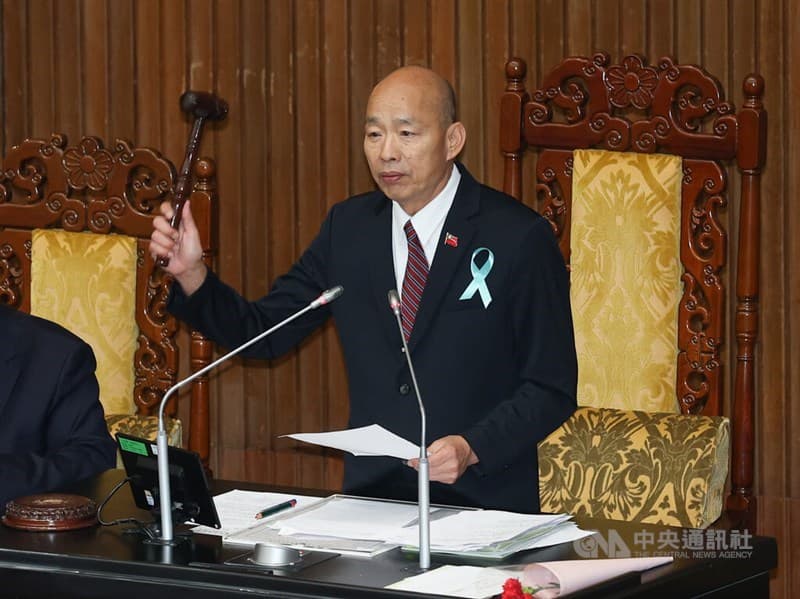
Taiwan’s opposition-controlled legislature broke a months-long deadlock on Thursday and approved a NT$780 billion special defense budget, a compromise that lawmakers said was needed now to avoid losing momentum on U.S. arms support as China keeps expanding its military power.
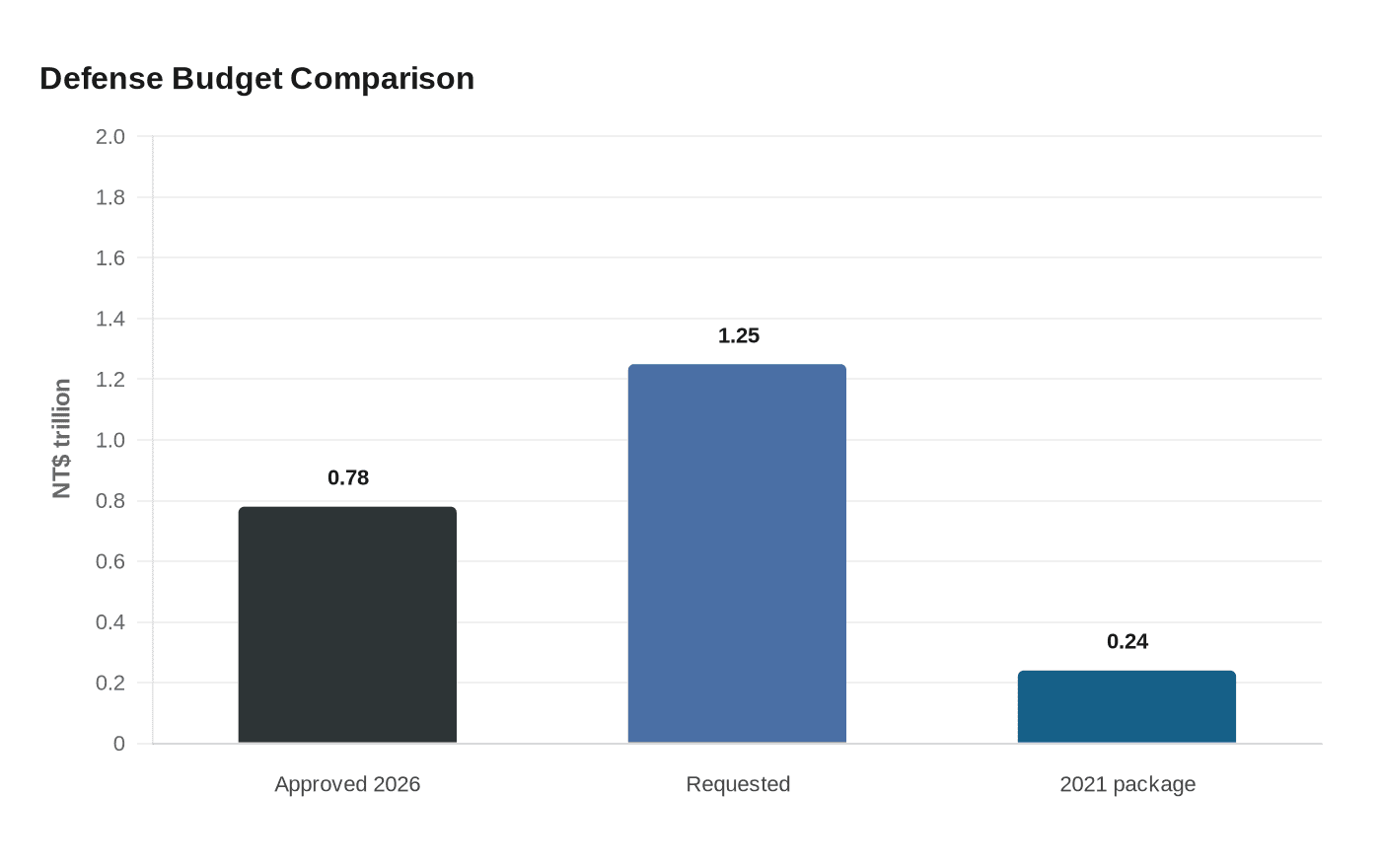
The vote in the Legislative Yuan, backed by the Kuomintang and Taiwan People’s Party majority blocs, gave President Lai Ching-te’s government about US$24.8 billion to US$25 billion, roughly two-thirds of the NT$1.25 trillion package it had sought. The final plan was aimed primarily at buying U.S. weapons, while leaving out much of the domestic defense spending Lai had wanted, including drones and other local defense-industry projects.
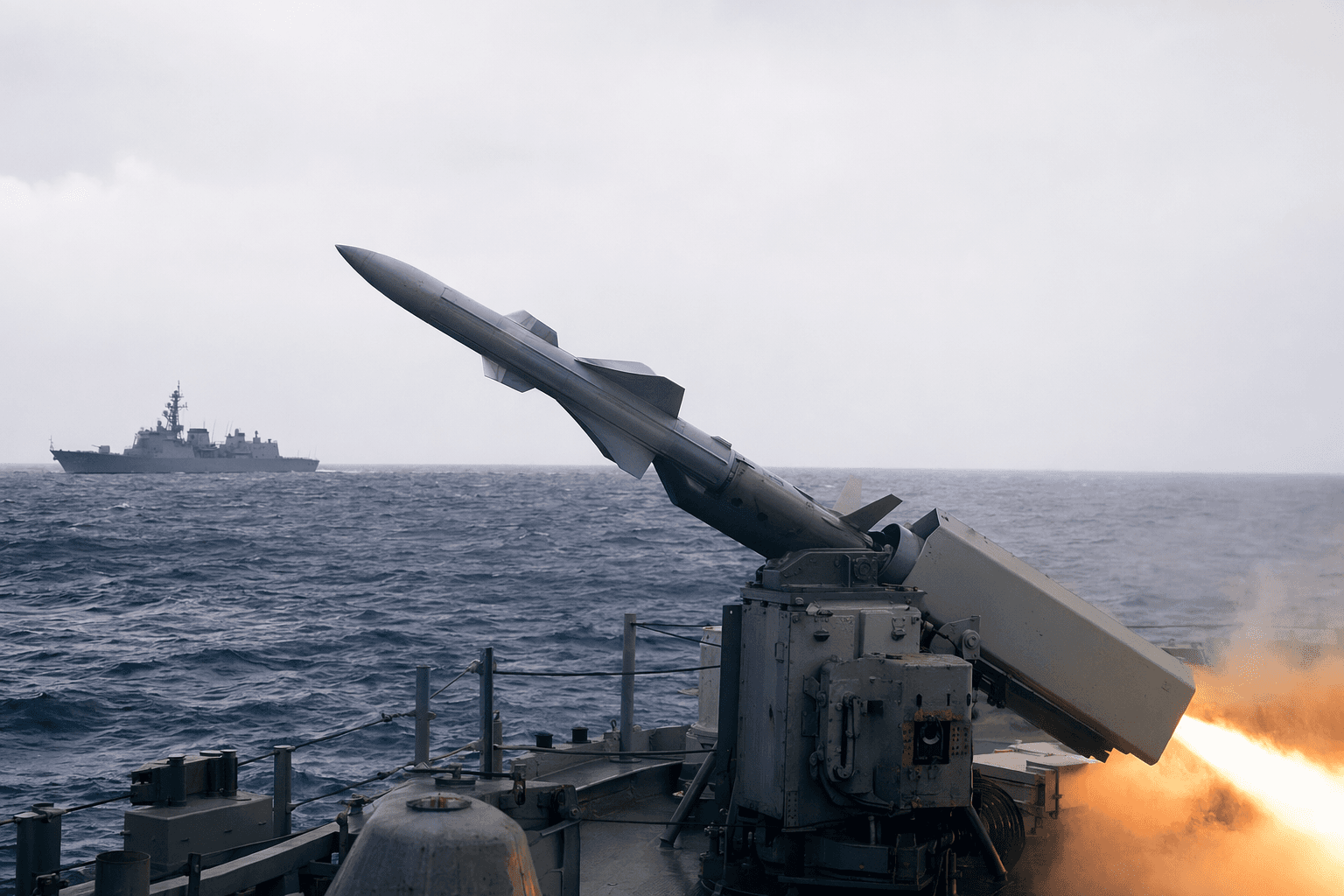
The timing reflected hard political arithmetic as much as security pressure. After four rounds of cross-party negotiations, opposition lawmakers moved to secure a package that could still pass, while facing growing concern over a rapidly modernizing Chinese military and repeated pressure from Washington for Taipei to commit to a broader defense budget. Speaker Han Kuo-yu announced the final figure after the vote, underscoring how the opposition, not the executive branch, set the terms of the compromise.
The budget also builds on a faster procurement cycle that Taiwan has tried to use to narrow readiness gaps. In April 2026, Taiwan signed six U.S. arms procurement agreements worth more than NT$208 billion, or about US$6.59 billion. In December 2025, the United States approved an additional US$11 billion arms package for Taiwan. Together with the new special budget, those moves signal that Taipei is trying to speed up deliveries, reduce procurement delays and show that it can still finance major defenses even when partisan conflict blocks the regular budget path.
Taiwan has used this route before. In 2021, it approved a NT$240 billion supplemental defense budget for 2021 to 2026, focused on indigenous anti-ship and anti-aircraft missiles and naval construction. This latest package shifts more heavily toward imported systems, but it sends the same message: Taiwan’s lawmakers are willing to spend large sums to keep the island better armed, and Washington now has a clearer sign that Taipei intends to stay aligned with U.S. security planning in the face of pressure from China.
This article was produced by Prism’s automated news system from verified source data, official records, and press releases, then run through automated quality and moderation checks before publishing. The system is built and supervised by the people who set the standards it runs under. Read our full AI policy.
Did this article answer your question?


