Trump Says Iran Ceasefire Still Holds After Strait Clash
Trump said the Iran ceasefire still held after U.S. and Iranian forces traded fire in the Strait of Hormuz. The clash put a choke point for 20% of the world’s oil back at the center of a fragile truce.
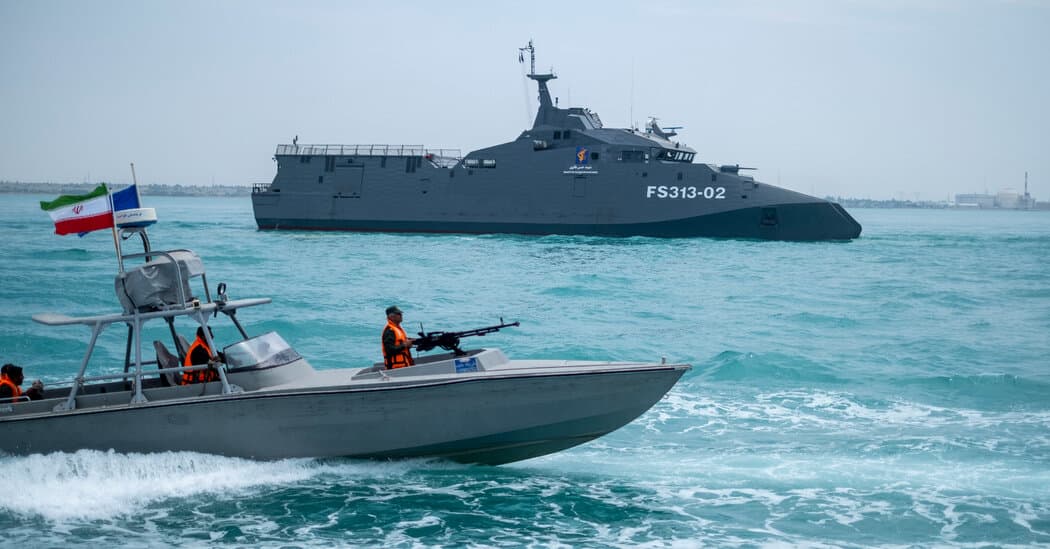
The ceasefire between the United States and Iran is now being tested in the one place where even a brief clash can ripple through global markets: the Strait of Hormuz, the waterway that carries about 20 percent of the world’s oil. After Iranian forces fired missiles, drones and small boats at three U.S. Navy destroyers, President Donald Trump brushed off the American response as a "love tap" and insisted, "No, no, the ceasefire is going. It’s in effect."
U.S. Central Command said the attack targeted the USS Truxtun, USS Rafael Peralta and USS Mason, and that American forces answered with "self-defense strikes" against Iranian military targets. CENTCOM said none of the destroyers was hit. Iran’s Khatam Al-Anbiya headquarters said the U.S. strikes violated the ceasefire and claimed Washington hit ports and an Iranian oil tanker in the strait, causing severe damage. U.S. officials said no American assets were struck.
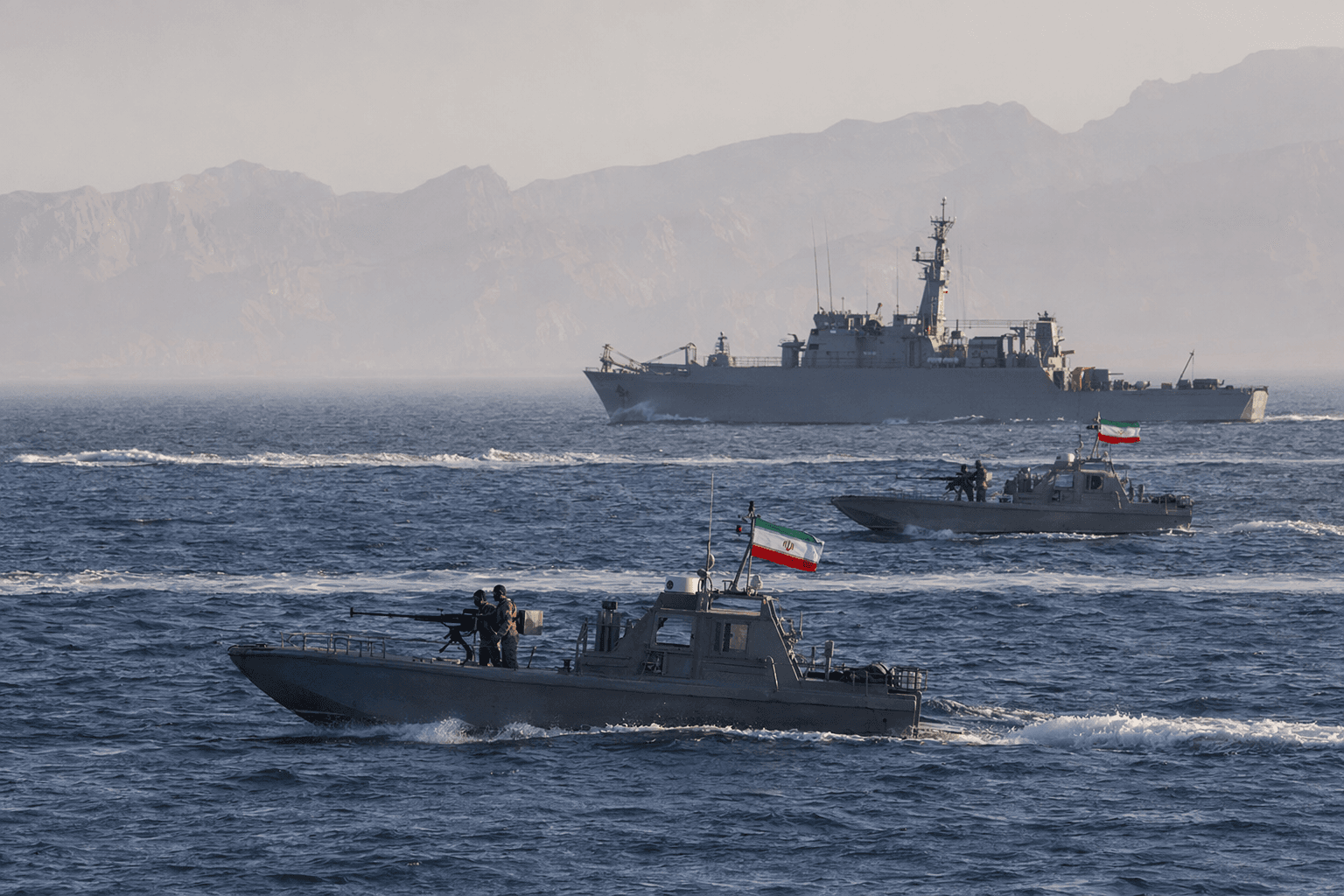
The flare-up exposed how narrow the margin is for a truce that began on April 8, 2026, after mediation efforts led by Pakistan. Trump has tied any continued restraint to a broader deal, saying Iran must agree "FAST" or face heavier retaliation. Earlier in the confrontation, CENTCOM said it destroyed six small Iranian boats in the strait, and Trump warned that Iran would be "blown off the face of the Earth" if attacks on U.S. ships continued. The White House also temporarily paused Project Freedom, the American effort to help escort commercial shipping through the waterway.
The stakes extend far beyond the immediate exchange of fire. Any sustained disruption in Hormuz can push up oil prices, raise freight costs and force shippers to rethink routes through the Gulf of Oman and beyond. The United Arab Emirates said earlier Iranian missile and drone attacks wounded at least three workers, showing that the conflict had already spilled beyond the strait. China’s foreign minister, Wang Yi, called for a comprehensive ceasefire and said resuming hostilities was not acceptable, underscoring how quickly a maritime clash near Bandar Abbas can turn into a broader economic and diplomatic shock.
This article was produced by Prism’s automated news system from verified source data, official records, and press releases, then run through automated quality and moderation checks before publishing. The system is built and supervised by the people who set the standards it runs under. Read our full AI policy.
Did this article answer your question?


