Taiwan president urges party to resist China's red terror
At the DPP's annual congress in Taipei, Lai Ching-te told party members to resist Beijing's 'red terror' as Taiwan faces pressure short of invasion.
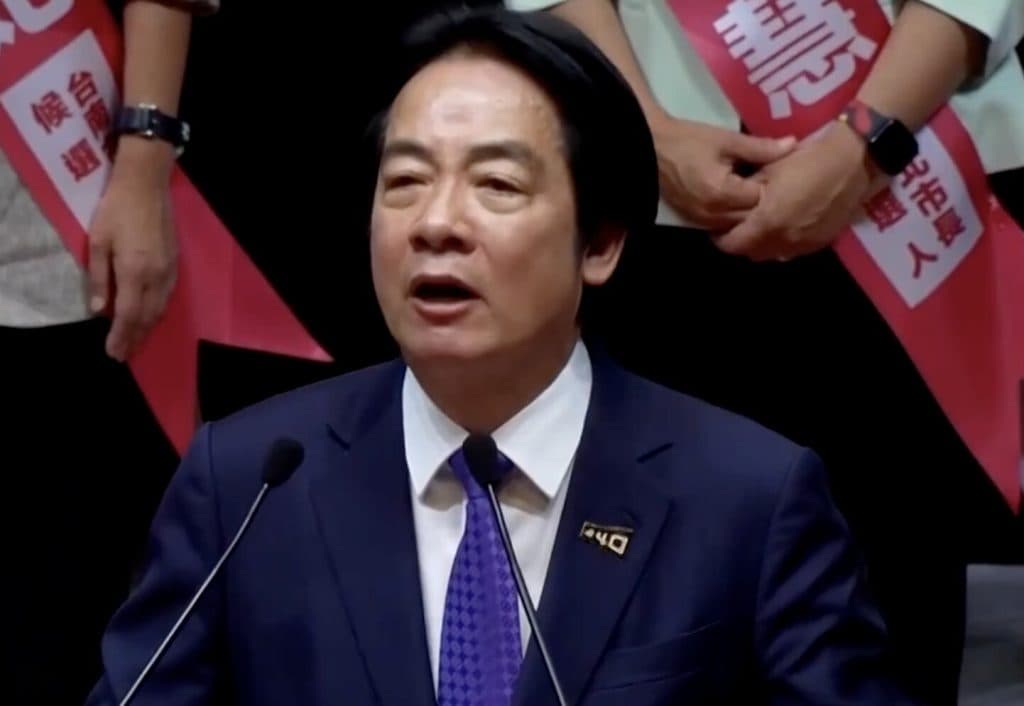
President Lai Ching-te used the Democratic Progressive Party’s annual congress in Taipei on July 19 to urge members to resist Beijing’s “red terror,” saying Taiwan must not become part of China. The message landed as Taiwan continues to face military, diplomatic, cyber and propaganda pressure from Beijing.
In practice, the phrase points to more than battlefield threats. It reflects fears inside Taiwan about disinformation, intimidation and political influence efforts that can shape local debate without open conflict. Lai’s warning framed the pressure campaign as a test of political resolve as much as military readiness, signaling that he wants his party to harden public opinion before a long contest with China.
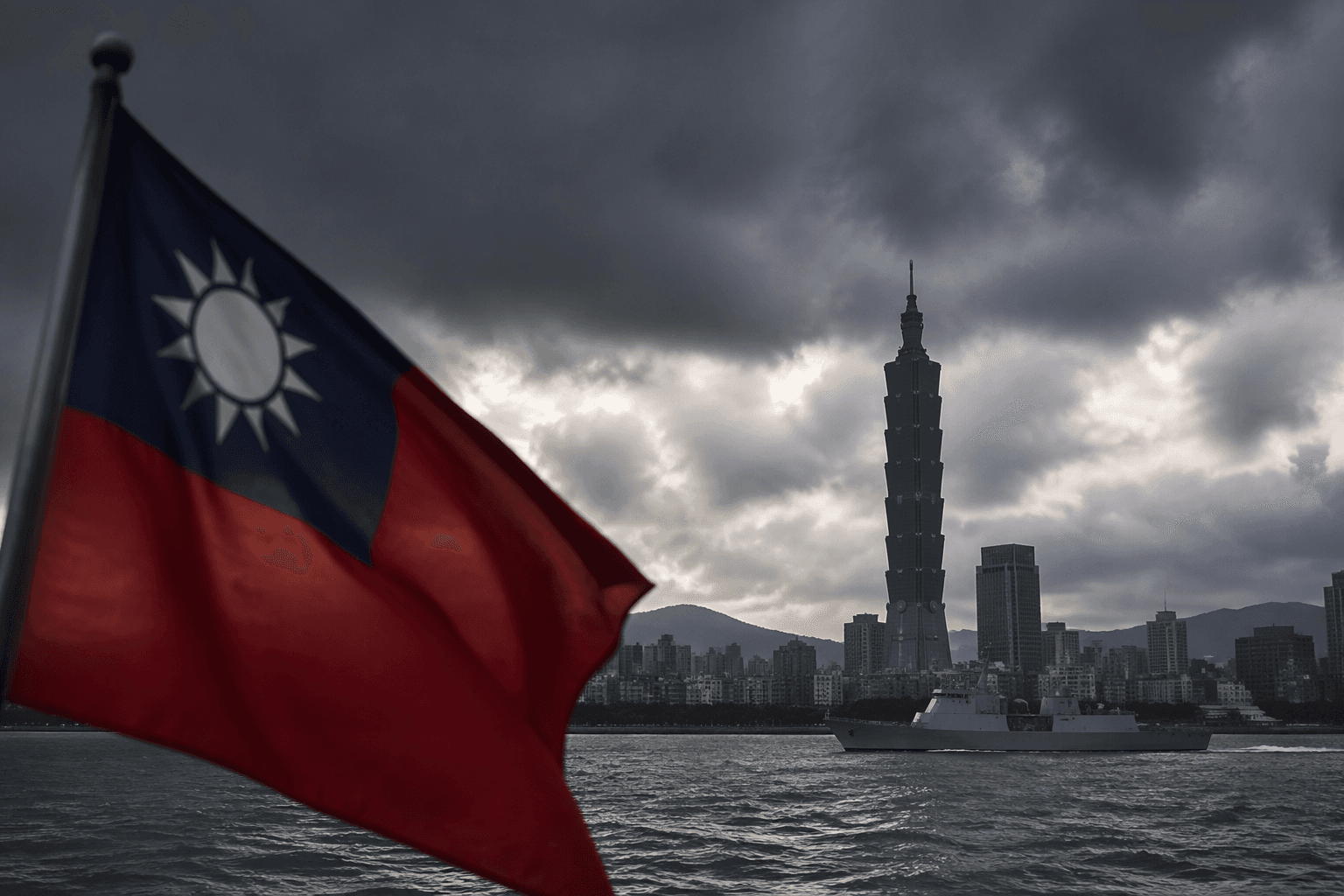
Lai rejects Beijing’s sovereignty claims and says Taiwan’s people alone can decide the island’s future. Since taking office on May 20, 2024, he has repeatedly offered talks with China, but not on Beijing’s terms. China still claims Taiwan as its own territory, while Taiwan maintains its democratic self-governance.
That position carries risks and advantages at home. A firmer stance can rally supporters around defense spending, civil defense and information security, but it can also sharpen friction with Beijing and deepen pressure on trade, diplomacy and regional security. Lai has previously warned that China’s threat to Taiwan is not only a threat to one country but to the world, a line aimed at keeping Taiwan’s case in front of the United States and other democracies.
By making the appeal inside the ruling party’s annual gathering rather than in a general address, Lai put internal unity at the center of his message. The choice of venue underscored how Taiwan’s politics are being shaped by the cross-strait standoff, with the president pressing his own party to treat Chinese pressure as a daily political reality, not a distant strategic abstraction.
This article was produced by Prism’s automated news system from verified source data, official records, and press releases, then run through automated quality and moderation checks before publishing. The system is built and supervised by the people who set the standards it runs under. Read our full AI policy.
Did this article answer your question?