Taiwan set to dominate Trump China summit as tensions rise
Taiwan will shadow Trump and Xi’s Beijing talks, where a few words on deterrence, arms sales and unofficial ties could matter more than the public agenda.
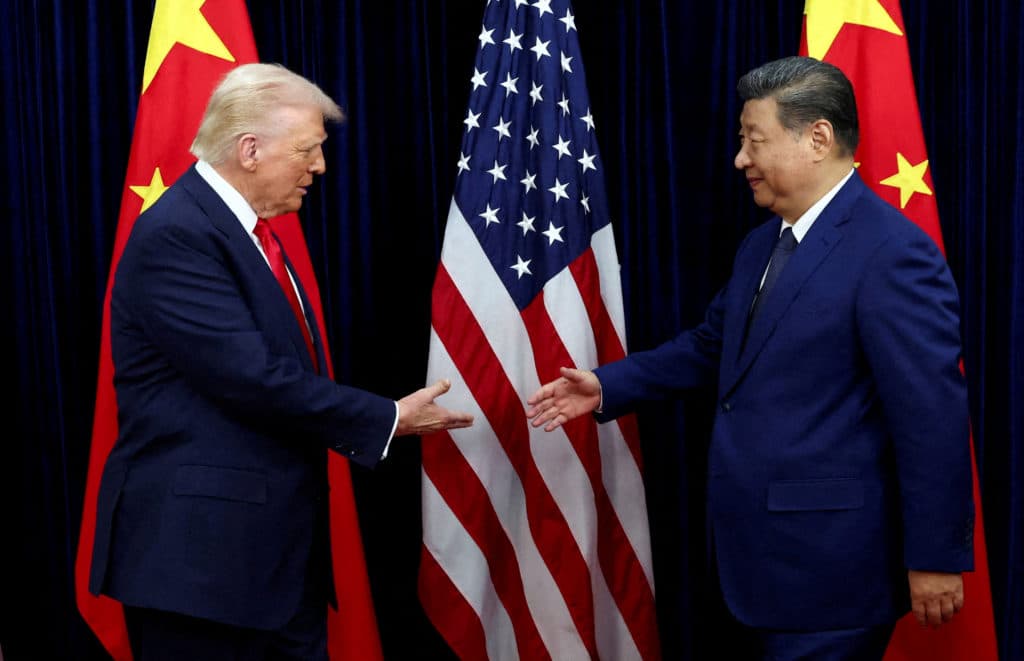
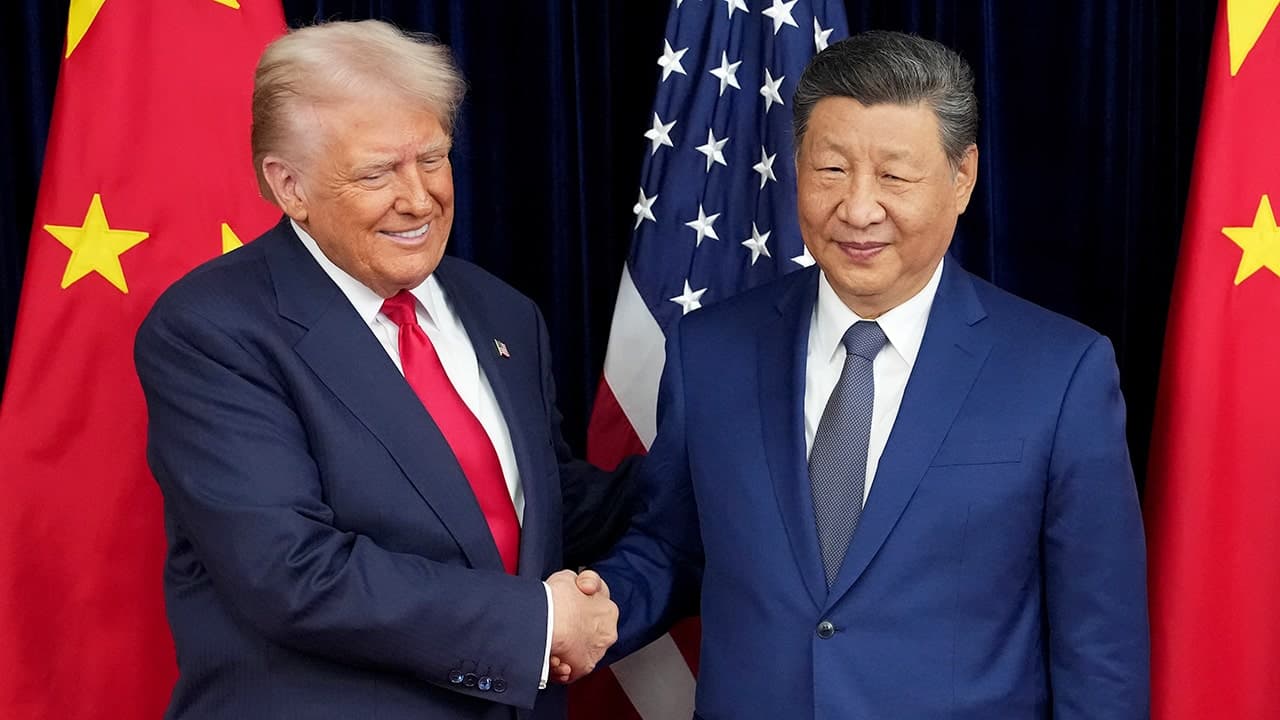
Donald Trump and Xi Jinping will meet in Beijing from May 13 to 15 with tariffs, rare earths and Iran in view, but Taiwan is set to be the test that matters most behind closed doors. Officials in Washington and Taipei are watching not just for a policy shift, but for any sign that Beijing can bend the language around the island without forcing a visible break.
Taiwan’s Foreign Minister Lin Chia-lung said on May 11 that Taipei was confident in the stable development of ties with the United States but hoped there would be no "surprises" on Taiwan-related issues during Trump’s trip. Secretary of State Marco Rubio said last week that Taiwan would almost certainly come up and that destabilizing developments in the region were in neither side’s interest. Those remarks underscore the summit’s political tension: reassurance in public, pressure in private.
Washington says its Taiwan policy has not changed. The U.S. one China policy remains guided by the Taiwan Relations Act, the three U.S.-China Joint Communiqués and the Six Assurances. The 1979 U.S.-P.R.C. Joint Communiqué shifted diplomatic recognition from Taipei to Beijing while preserving unofficial U.S.-Taiwan ties. That legal framework is why every phrase matters. Any shift in how U.S. officials describe deterrence, arms sales, military posture or unofficial ties will be read in Beijing and Taipei as a signal, not a courtesy.
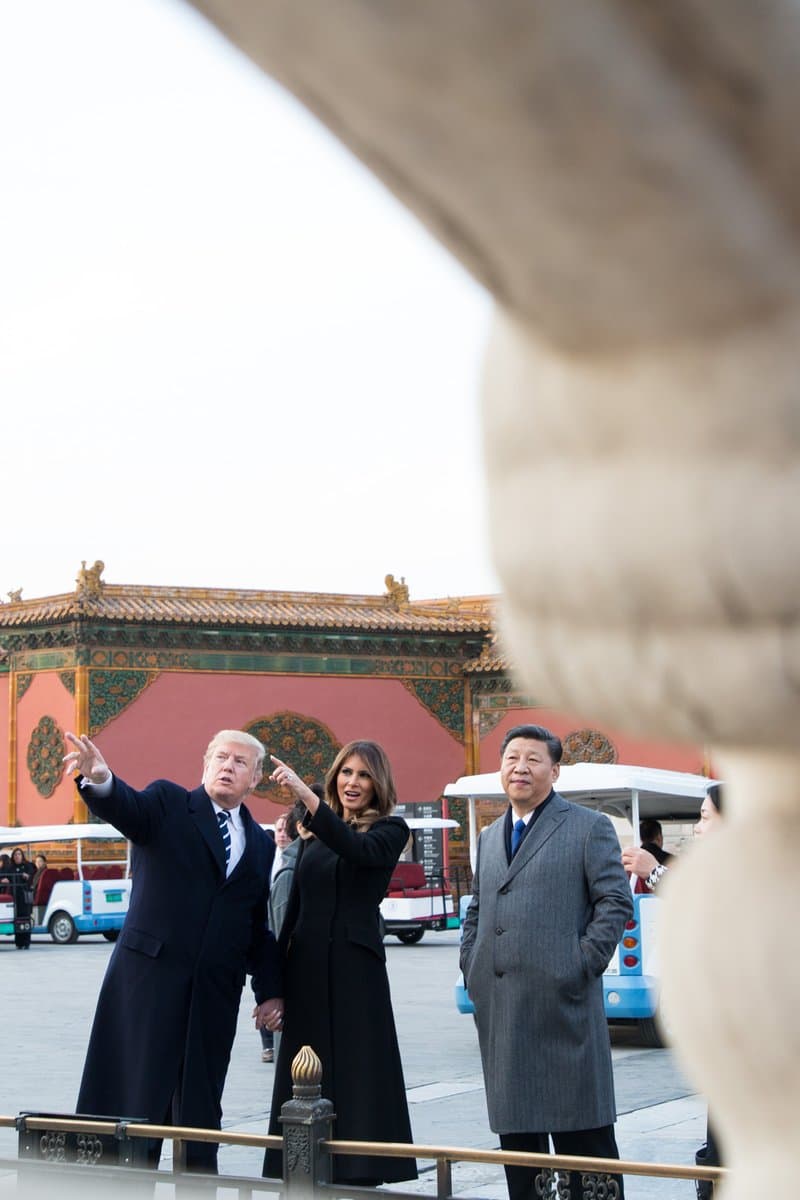
China calls Taiwan part of its territory and has never renounced the use of force to bring the island under its control. Beijing has long described Taiwan as the most sensitive issue in U.S.-China relations, and in April China’s foreign minister called it the "biggest risk" in the relationship. U.S. and Taiwan officials fear China may try some "manoeuvring" at the summit, pressing for wording or understandings that could weaken U.S.-Taiwan ties without triggering an open confrontation.
For Taiwan, the danger is not only what is said in the room but what follows afterward. If Trump and Xi leave Beijing with tougher talk on trade but softer language on security, analysts in Taipei will watch whether that softness carries into arms approvals, naval posture in the Taiwan Strait and the phrasing used by the State Department and the American Institute in Taiwan. In strategic ambiguity, the most consequential shift is often the one that can be denied.
Know something we missed? Have a correction or additional information?
Submit a Tip