Taiwan unveils $40 billion defence boost, aims to deter China
Taiwan announced a US$40 billion supplementary defence budget to fund missiles, drones and a new T Dome air defence system, a move designed to strengthen deterrence against an increasingly assertive China. The package raises defence spending above 3 percent of GDP for the first time since 2009 and will reshape Taipei's military posture, with consequences for regional security, domestic politics and ties with the United States.
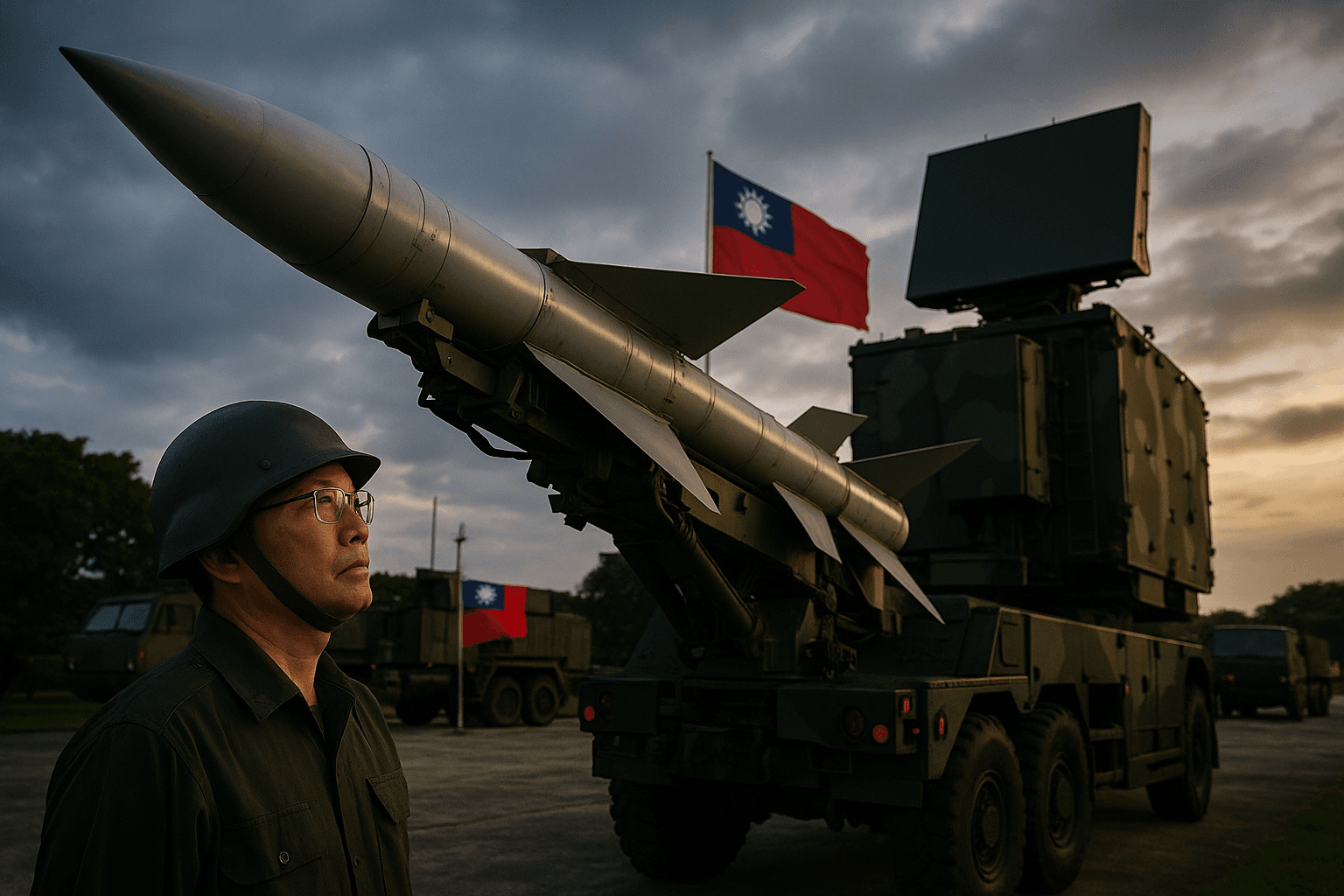
President Lai Ching te announced on November 26, 2025 that Taiwan would introduce a US$40 billion supplementary defence budget covering 2026 to 2033, a sweeping investment intended to bolster asymmetric capabilities and deter a rising threat from China. The plan earmarked missiles, unmanned systems and a layered air defence capability called T Dome, and it envisaged significant arms purchases from the United States to accelerate modernisation.
Under the proposal, Taiwan's defence spending in 2026 would rise to T$949.5 billion, about US$30.3 billion, representing roughly 3.32 percent of GDP and crossing the 3 percent threshold for the first time since 2009. Taipei set a longer term target of moving toward 5 percent of GDP by 2030, a fiscal trajectory that reflects a strategic shift from bidding for parity to making potential aggression prohibitively costly through precision, mobility and resilience.
The supplementary budget would flow into systems that fit Taiwan's asymmetric defence doctrine. Missiles and drones aim to complicate any maritime or air approach, while the T Dome air defence system is meant to create a more resilient, integrated layer to protect key infrastructure and population centres. Officials framed the spending as deterrence rather than preparation for offensive operations, but the speed and scale of procurement from the United States will test Washington's careful balance of support and restraint.
The package requires approval from Taiwan's legislature, where the opposition Kuomintang has raised concerns about fiscal sustainability and the depth of consultation within government decision making. The vote will be a focal point for domestic debate, pitting questions of national survival and alliance politics against anxieties about budget trade offs and social priorities in an economy that has seen uneven growth and persistent political polarization.
International reactions were immediate. The U.S. State Department welcomed the announcement as strengthening deterrence, while Beijing condemned the move, accusing Taipei of succumbing to foreign pressure and warning of consequences for cross strait relations. Regional capitals from Tokyo to Canberra will be watching closely, weighing how reinforcement of Taiwan's defences affects their own security calculations and the risk of miscalculation in periods of crisis.
Strategically, the plan signals a maturation of Taiwan's defence thinking and a willingness to accept a larger defence burden. That comes at a cost. Sustained higher spending will pressure public finances, require procurement oversight to avoid waste, and demand sustained diplomatic work to prevent escalation. For Washington, supplying the next generation of weapons will deepen military ties while complicating the management of its relationship with Beijing.
As Taipei prepares to send the package to the legislature, the debate will illuminate deeper questions about identity, sovereignty and the international order. Taiwan's leaders are betting that a combination of technology, dispersed systems and international partnerships can preserve peace by denial. The coming months will test whether that bet stabilises the region or accelerates a new round of strategic competition.
This article was produced by Prism’s automated news system from verified source data, official records, and press releases, then run through automated quality and moderation checks before publishing. The system is built and supervised by the people who set the standards it runs under. Read our full AI policy.
Did this article answer your question?