Taiwan Vows Firm Defense After China Fires Rockets, Massive Drills
Taiwan’s president, speaking live on New Year’s Day, promised to strengthen defence and defend the island’s sovereignty after Chinese forces carried out large-scale live-fire exercises that encircled Taiwan. The maneuvers, which included rocket launches and dozens of aircraft and ships, raise risks to regional trade and could accelerate Taiwan’s military spending and supply-chain adjustments that affect global technology markets.
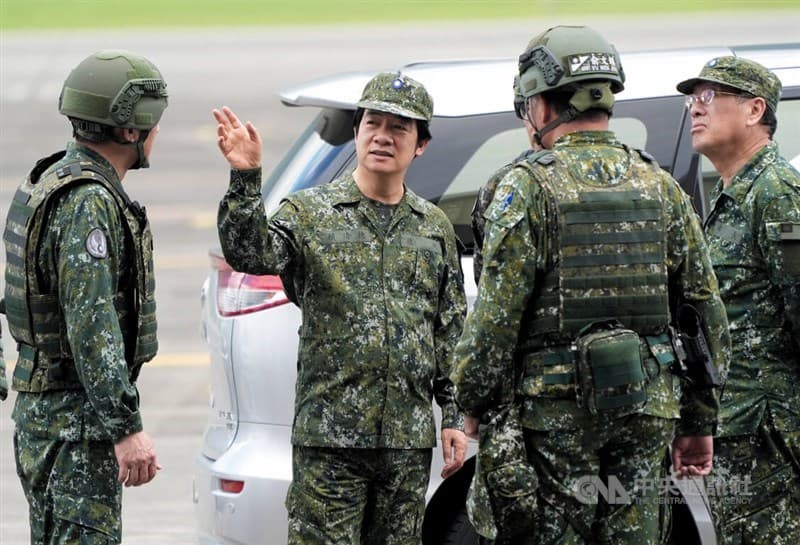
Taiwan’s president, Lai Ching-te, used a New Year’s Day address broadcast from the presidential office in Taipei to vow that the self-ruled island will defend its sovereignty and bolster its defence capabilities. Speaking as the region entered 2026, Lai urged lawmakers to support measures to strengthen deterrence and signaled that Taipei will not yield to coercion. He added that the international community is watching whether the Taiwanese people possess the resolve to defend themselves. In a Dec. 30 social media statement Lai said, “China’s military provocations along the First Island Chain severely disrupt global maritime trade, air traffic & regional peace. Taiwan continues to act responsibly, neither escalating tensions nor yielding to threats, we will steadfastly defend our freedom against coercion.”
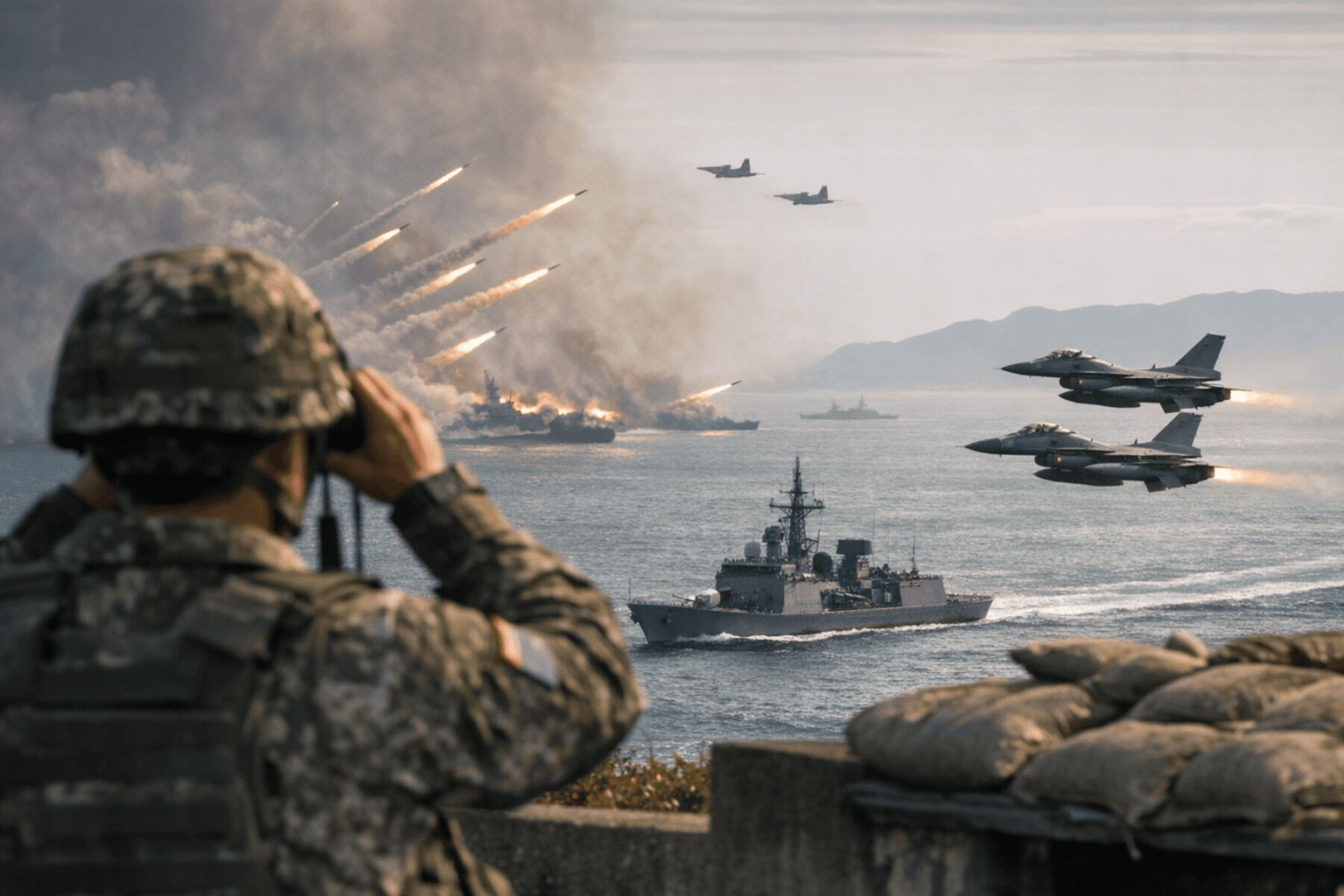
The pledge followed a sequence of live-fire exercises conducted in late December under the banner Justice Mission 2025. Chinese forces fired rockets toward waters north and south of Taiwan, launched from locations including Pingtan island in Fujian province, and deployed what Taiwanese authorities described as a broad encirclement posture. The operations included rocket or missile launches, dozens of fighter jets, navy ships and coastguard vessels operating around Taiwan’s main island. Imagery captured during the drills showed active live-fire activity in airspace and surrounding waters on Dec. 30 and 31.
Taiwanese forces moved to heightened readiness in response. Military emergency combat-readiness drills were carried out, and personnel deployed obstacles described as explosive barrels at river mouths north of Taipei and along the Tamsui River on Dec. 30–31. The government described the exercises as highly provocative and emphasized that civilian maritime and air traffic had been disrupted.
Beyond the immediate security implications, the episode carries economic and market consequences. The First Island Chain is a key corridor for shipping and air routes that support regional trade. Disruption along those lanes, even episodic, raises costs for logistics and heightens risk premiums for firms with concentrated manufacturing exposure in Taiwan. Taiwan hosts critical advanced chip manufacturing capacity; any prolonged instability could amplify already rising incentives among global firms to diversify supply chains and locate additional production outside the island, at the cost of higher long-term investment and slower technology diffusion.
Politically the drills followed expressions of anger in Beijing over planned arms sales to Taipei and public comments by regional leaders about potential intervention. The exercises are likely to harden domestic politics in Taiwan, increasing pressure on lawmakers to approve additional defence budgets and procurement. For regional powers and global investors, the episode underscores a persistent long-term trend: Beijing’s growing willingness to use military pressure short of full-scale conflict to alter the status quo, and the consequent recalibration of economic and defence policies across East Asia.
Financial markets may react to increased geopolitical risk with a short-term shift toward safe-haven assets and a reassessment of exposures to Taiwan-linked equities and supply chains. Over the longer term, businesses and governments will have to weigh higher defence costs, potential trade frictions, and the strategic premium of securing critical technology supply lines as part of national economic planning.
This article was produced by Prism’s automated news system from verified source data, official records, and press releases, then run through automated quality and moderation checks before publishing. The system is built and supervised by the people who set the standards it runs under. Read our full AI policy.
Did this article answer your question?