Taiwan warns China may test Trump on island issue in Beijing visit
Taiwan fears Xi could use next week's Beijing summit to press Trump on the island, even as Washington says its policy has not changed.
Taiwan’s top intelligence chief is warning that Beijing may try to test Donald Trump on the island issue when the U.S. president travels to Beijing for a May 14-15 summit, turning Taiwan into a bargaining chip, a symbolic flashpoint or a red-line test in wider U.S.-China talks.
Tsai Ming-yen, who leads Taiwan’s National Security Bureau, cast the risk as political and diplomatic rather than an immediate military threat. Still, his warning lands at a sensitive moment for Taipei, which is watching for any sign that a Trump-Xi meeting could give Beijing more room to press its sovereignty claims or prompt Washington to soften its language on Taiwan.
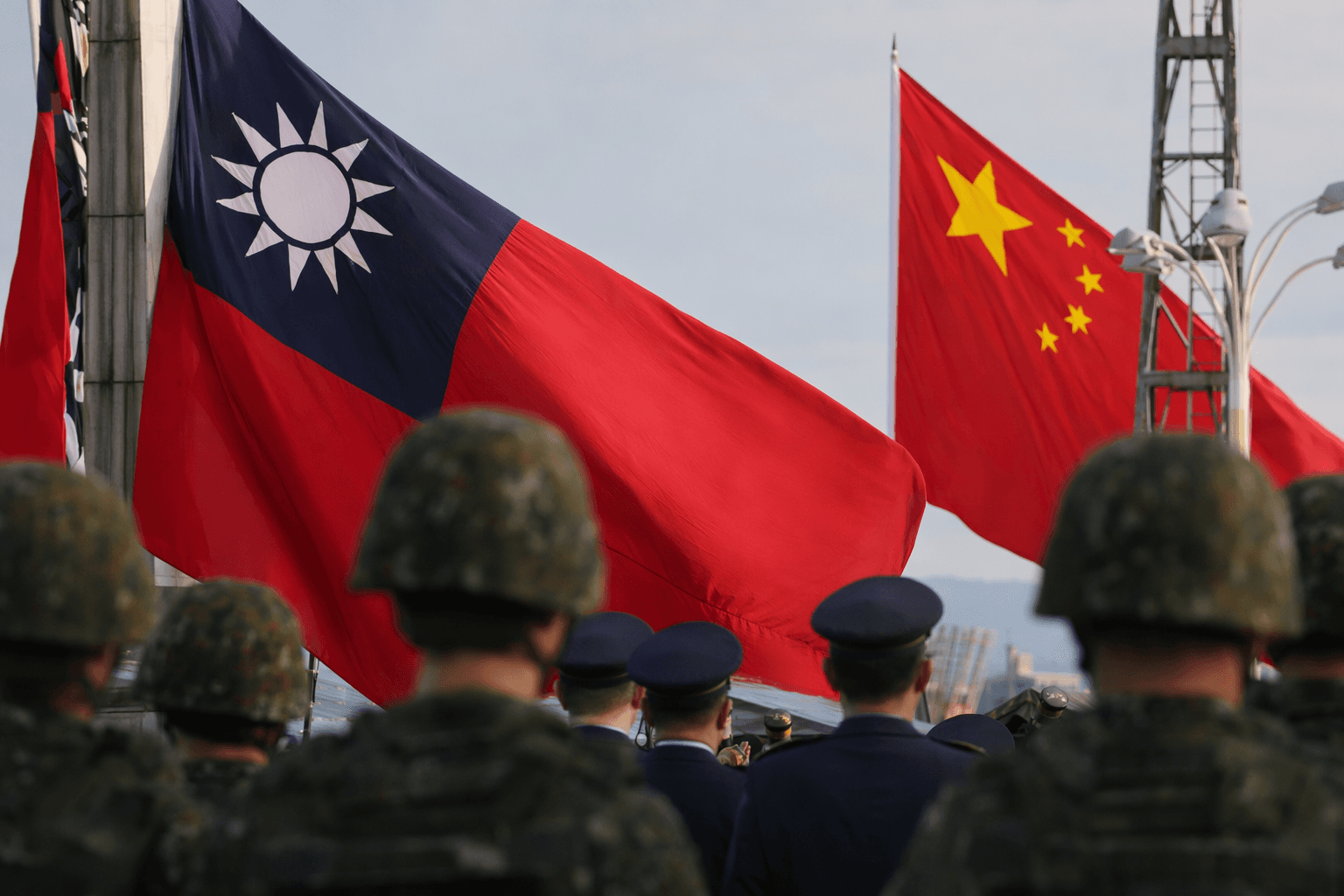
The stakes are high because China continues to claim Taiwan, a self-governed democracy of 23 million people, as its own territory. Xi Jinping has made Taiwan the top item on his agenda for the Beijing meeting, and Secretary of State Marco Rubio said Taiwan is likely to come up when the two leaders meet. Rubio also said neither Washington nor Beijing wants destabilizing events around Taiwan or the wider Indo-Pacific.
Washington has repeated that its Taiwan policy has not changed. The State Department says that approach is guided by the Taiwan Relations Act, the three U.S.-China joint communiques and the Six Assurances, a framework that has remained consistent across decades and administrations. Taiwan’s foreign ministry said in March 2025 that the United States had reaffirmed its commitment to Taiwan across administrations in response to Chinese military pressure.
For Taipei, the danger is not only what is said in public, but what is traded behind closed doors. China could try to shape the summit agenda, test U.S. phrasing or seek room on trade, technology or security issues in exchange for ambiguity over Taiwan. Even modest shifts in tone matter in a region where military drills, persistent tension and strategic ambiguity already define the security environment.
The last Trump-Xi face-to-face meeting, in Busan, South Korea, on October 30, 2025, set Taiwan aside while the two sides focused on trade and tariffs. That precedent now cuts both ways. It shows Beijing can try to sideline the issue when it suits the moment, but it also leaves Taiwan fearing a more direct bargain this time, one that could put the island at the center of the biggest diplomatic meeting of the year.
This article was produced by Prism’s automated news system from verified source data, official records, and press releases, then run through automated quality and moderation checks before publishing. The system is built and supervised by the people who set the standards it runs under. Read our full AI policy.
Did this article answer your question?


