Taiwan welcomes possible Trump-Lai call, no talks scheduled yet
Taipei said a Trump-Lai call would be welcome, but no talks or date exist yet, leaving Beijing and markets to parse a rare diplomatic signal.

Taiwan welcomed the prospect of a direct call between Donald Trump and Lai Ching-te, but no planning talks had begun and no date had been set. That is why the issue now carries weight well beyond protocol: a conversation between sitting U.S. and Taiwanese presidents would be unprecedented, breaking a diplomatic freeze that has held since Washington switched recognition from Taipei to Beijing in 1979 and sending a signal closely watched in Beijing, Washington and financial markets.
Foreign Minister Lin Chia-lung told lawmakers that the initiative had to come from Trump and that Taiwan would view such a call positively. He also said Taiwan and the United States have institutionalized communication channels, a message aimed at calming concerns in Taipei while keeping the White House’s options open.

Trump first said on May 20 that he would speak with Lai, then repeated the claim last Wednesday after meeting Chinese President Xi Jinping earlier this month. The remarks surprised officials in both Washington and Taipei, and U.S. and Taiwanese officials later discussed how a call might be arranged, although no concrete plan emerged.

The timing matters because the phone-call question is tied to broader Taiwan policy decisions, including a possible $14 billion U.S. arms sale that Trump has not yet decided on. Beijing has warned Washington to handle the Taiwan issue with extreme caution and to stop sending wrong signals to Taiwan independence forces, a reminder that even a brief presidential call would be read as strategic signaling, not just a courtesy.
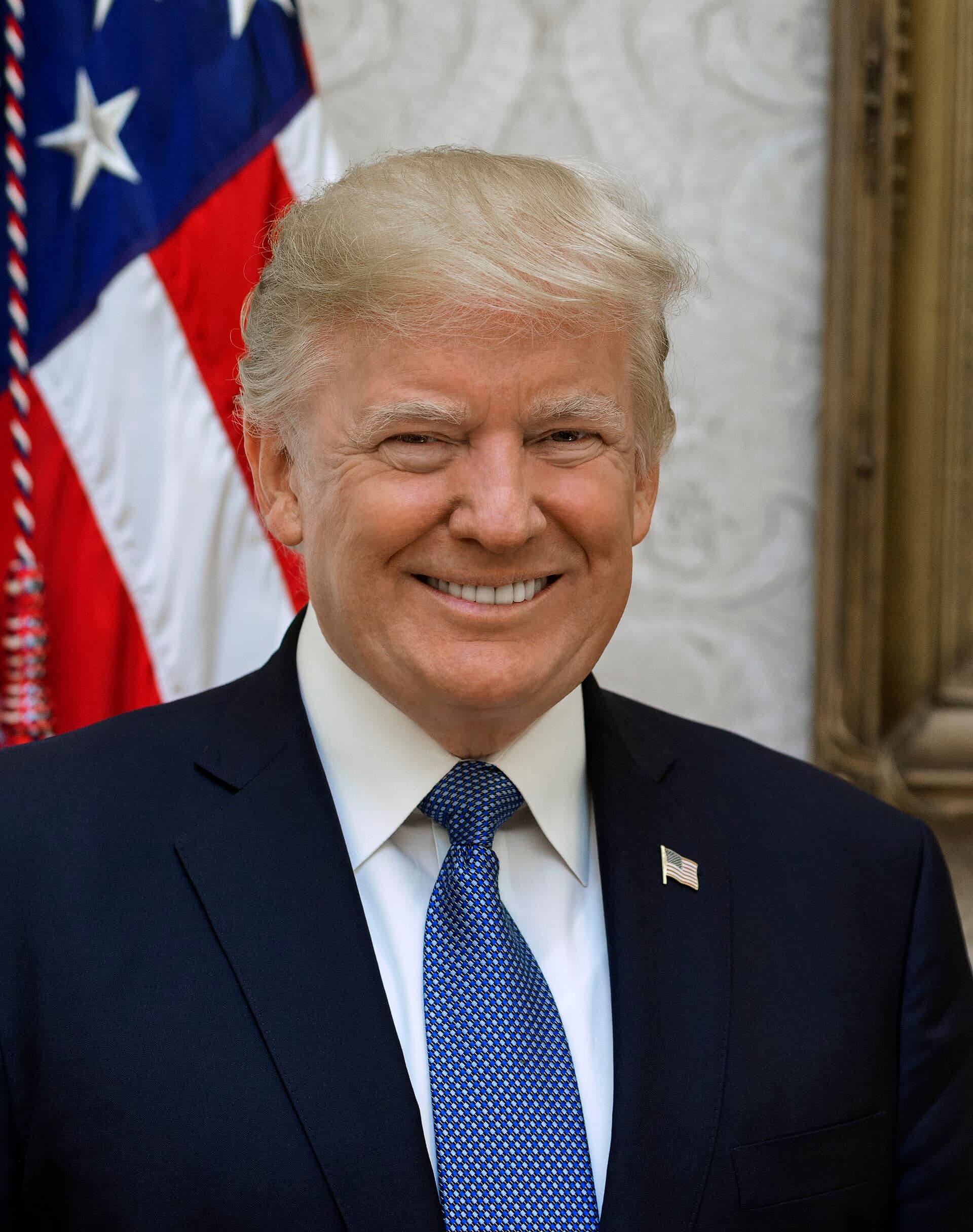
Lai has also sharpened the message from Taipei. He said last week that if he had the chance to speak with Trump, he would warn that China is undermining peace and has no right to annex Taiwan. Taiwan officials have said Washington has not notified them of any pause in the planned arms package, suggesting that defense cooperation and diplomatic signaling are moving in parallel rather than being traded off against each other.
This article was produced by Prism’s automated news system from verified source data, official records, and press releases, then run through automated quality and moderation checks before publishing. The system is built and supervised by the people who set the standards it runs under. Read our full AI policy.
Did this article answer your question?


